🌹 3 Tips for Healing Brown Spots on Your Rose of Sharon
Hibiscus syriacus
By the Greg Editorial Team
Sep 30, 2024•6 min read
This article was created with the help of AI so we can cover more plants for you. May contain errors. See one? Report it here.
Revive your Rose of Sharon 🌼 by uncovering essential tips to prevent and treat pesky brown spots!
- 🌱 Brown spots arise from diseases, pests, and environmental stressors.
- 💧 Manage soil moisture to prevent both overwatering and underwatering issues.
- ☀️ Ensure 6-8 hours of sunlight daily for a healthy Rose of Sharon.
Causes of Brown Spots
🦠 Common Diseases
Brown spots on your Rose of Sharon can often be traced back to common diseases.
Leaf Spot Disease
This disease manifests as circular brown spots surrounded by yellow halos. It's primarily caused by fungal infections and bacterial leaf spots, which thrive in damp conditions.
Fungal Infections
Fungal infections are notorious for their rapid spread. They flourish in high humidity and poor air circulation, with Alternaria and Cercospora species being prime examples.
🌧️ Environmental Factors
Environmental conditions play a significant role in the health of your plants.
Soil Moisture
Soil moisture is crucial for plant vitality. Overwatering can lead to root rot, worsening leaf spot diseases, while underwatering stresses the plant, making it more susceptible to infections.
Sunlight Requirements
Sunlight is another key factor. Insufficient sunlight weakens plants, increasing their vulnerability to diseases. Ideally, your Rose of Sharon should bask in full sun for 6-8 hours daily to thrive.
🐛 Pest Infestations
Pests can also contribute to the appearance of brown spots.
Common Pests
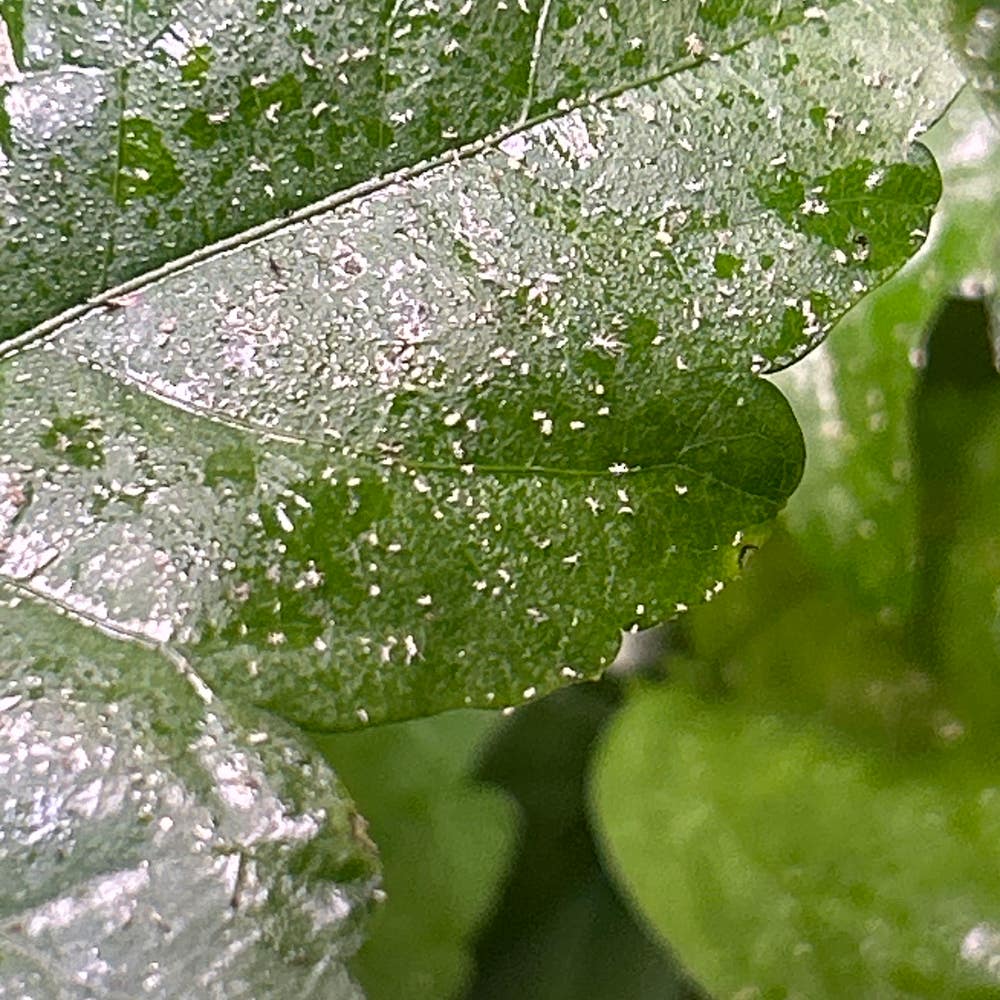
Aphids, spider mites, and whiteflies are common culprits. Their feeding habits can lead to leaf discoloration and stress, resulting in those dreaded brown spots.
Understanding these causes is the first step in effectively treating and preventing brown spots on your Rose of Sharon. Next, we’ll explore how to diagnose these issues accurately.
Diagnosing Brown Spots
🕵️ Identifying Symptoms
To effectively diagnose brown spots on your Rose of Sharon, start with a visual inspection. Look closely for patterns, size, and color of the spots; these details can reveal much about the underlying issue.
Excessive leaf drop is another critical symptom. If your plant is shedding leaves more than usual, it may indicate a severe infection that needs immediate attention.
🔍 Differentiating Infections
Fungal infections typically present as circular spots with defined edges. These spots can spread quickly, so treatment often requires fungicides and improved air circulation around the plant.
On the other hand, bacterial leaf spots appear as irregular, water-soaked patches that may ooze. For these, focus on organic solutions and improved sanitation practices to help your plant recover.
🌧️ Assessing Environmental Stressors
Next, assess soil moisture levels. Check for signs of overwatering or drought stress, as both can contribute to brown spots.
Finally, evaluate sunlight exposure. Ensure your Rose of Sharon is receiving adequate light, as insufficient sunlight can weaken the plant and make it more susceptible to diseases.
With these diagnostic steps, you’ll be well on your way to understanding the health of your Rose of Sharon and addressing any issues effectively. Now, let’s explore how to treat those pesky brown spots!
Treating Brown Spots
🦠 Step-by-Step Guide to Treating Fungal Infections
Dealing with fungal infections on your Rose of Sharon can be straightforward if you follow these steps.
Identify the type of fungus affecting the plant. This is crucial for effective treatment.
Remove affected leaves: Prune and dispose of them to prevent the spread of the fungus.
Apply fungicide: Choose a product specifically labeled for use on Hibiscus syriacus.
Improve air circulation: Space your plants adequately and prune dense areas to enhance airflow.
Monitor for recurrence: Regularly check for new symptoms to catch any issues early.
🌱 Organic Solutions for Bacterial Leaf Spots
If bacterial leaf spots are your concern, here’s how to tackle them organically.
Remove infected leaves: Always sanitize your pruning tools between cuts to avoid spreading bacteria.
Apply organic treatments: Neem oil or copper-based solutions can be effective.
Improve drainage: Ensure your soil is well-draining to reduce moisture retention, which can exacerbate issues.
Maintain plant health: Fertilize appropriately to strengthen your plant's defenses against infections.
💊 Recommended Treatments
Choosing the right treatment can make all the difference. Here are some options:
- Common fungicides: Chlorothalonil and Mancozeb are effective choices.
- Organic options: Neem oil and copper fungicides are great for those preferring natural solutions.
- Application frequency: Always follow label instructions for timing and dosage to ensure effectiveness.
By following these guidelines, you can effectively treat and manage brown spots on your Rose of Sharon. With the right care, your plants can thrive and bring beauty to your garden.
Next, let’s explore how to prevent brown spots from occurring in the first place.
Preventing Brown Spots
🌊 Best Practices for Watering and Soil Management
Watering your Rose of Sharon effectively is crucial. Aim for a deep but infrequent watering schedule to encourage robust root growth.
Using well-draining soil is equally important. Avoid compacted areas that can trap moisture and lead to root issues.
☀️ Importance of Proper Sunlight Exposure
Positioning your plant correctly can make a world of difference. Ensure your Rose of Sharon gets at least 6 hours of full sun daily for optimal health.
If you notice signs of inadequate light, don’t hesitate to adjust its location. A little repositioning can significantly enhance its vitality.
🔧 Regular Maintenance
Routine inspections are key to early detection. Check your leaves weekly for any signs of spots or pests.
Pruning is another essential practice. Remove dead or diseased branches to promote better airflow and overall plant health.
By following these preventive measures, you can keep your Rose of Sharon thriving and reduce the risk of brown spots. Next, let’s explore seasonal considerations to further enhance your plant care strategy.
Seasonal Considerations
🌱 Seasonal Changes
Spring is a crucial time for your Rose of Sharon. As new growth emerges, keep an eye out for early signs of leaf spots.
Summer brings high humidity, which can worsen fungal infections. Ensure you're providing proper care to combat these conditions.
❄️ Winter Care Tips
Mulching is essential during winter. It protects the roots and helps retain soil moisture, giving your plant a fighting chance against the cold.
Before winter sets in, prune back any dead or damaged branches. This not only tidies up your plant but also promotes healthier growth in the spring.
🌼 Spring Growth Monitoring
As spring rolls around, fertilization becomes key. Apply a balanced fertilizer to encourage robust growth and resilience.
Stay vigilant for any signs of leaf spots as new growth appears. Early detection can make all the difference in maintaining a healthy plant.
With these seasonal considerations in mind, you can better equip your Rose of Sharon to thrive throughout the year. Next, let’s explore effective strategies for preventing brown spots altogether.
⚠️ Safety First
This content is for general information and may contain errors, omissions, or outdated details. It is not medical, veterinary advice, or an endorsement of therapeutic claims.
Always consult a qualified healthcare professional before using any plant as food, medicine, or supplement.
Never eat any plant (or feed one to pets) without confirming its identity with at least two trusted sources.
If you suspect poisoning, call Poison Control (800) 222-1222, the Pet Poison Helpline (800) 213-6680, or your local emergency service immediately.
Spotted an error? Please report it here.
Keep your Rose of Sharon vibrant and healthy 🌿 by using Greg's tailored care tips and reminders to tackle brown spots before they start!