🍂 Why Are My Korean Hibiscus Leaves Turning Yellow?
Hibiscus syriacus
By the Greg Editorial Team
Jun 18, 2024•4 min read
This article was created with the help of AI so we can cover more plants for you. May contain errors. See one? Report it here.
Say goodbye to yellow leaves 🍂 and hello to lush Korean Hibiscus with these expert care tips! 🌺
- Nutrient deficiencies cause yellow leaves; soil testing helps tailor plant diet.
- Overwatering suffocates roots, leading to yellow leaves; water deeply but sparingly.
- Pests and diseases can yellow leaves; inspect regularly and treat promptly.
Spotting the Culprits: Causes of Yellow Leaves
💡 Nutrient Deficiencies: The Usual Suspects
Yellow leaves on your Korean Hibiscus might be a silent alarm for nutrient deficiencies. Nitrogen is the heavy lifter, and when it's scarce, the older leaves turn yellow as the plant prioritizes new growth. Iron deficiency makes new leaves look washed out, while a lack of magnesium shows up as yellowing between the veins. Potassium shortage? The edges of the leaves will start to yellow, as if trying to stay within an invisible boundary.
🚰 Too Much Love: Overwatering Woes
Overwatering is a common misstep, leading to soggy soil and yellow leaves. Roots need air, and without it, they're essentially suffocating. Look out for waterlogged soil—it's a telltale sign that you're loving your plant a little too much. Poor drainage is equally to blame, creating a hostile environment for roots and leading to root rot.
🍽️ Unwanted Guests: Pests and Diseases
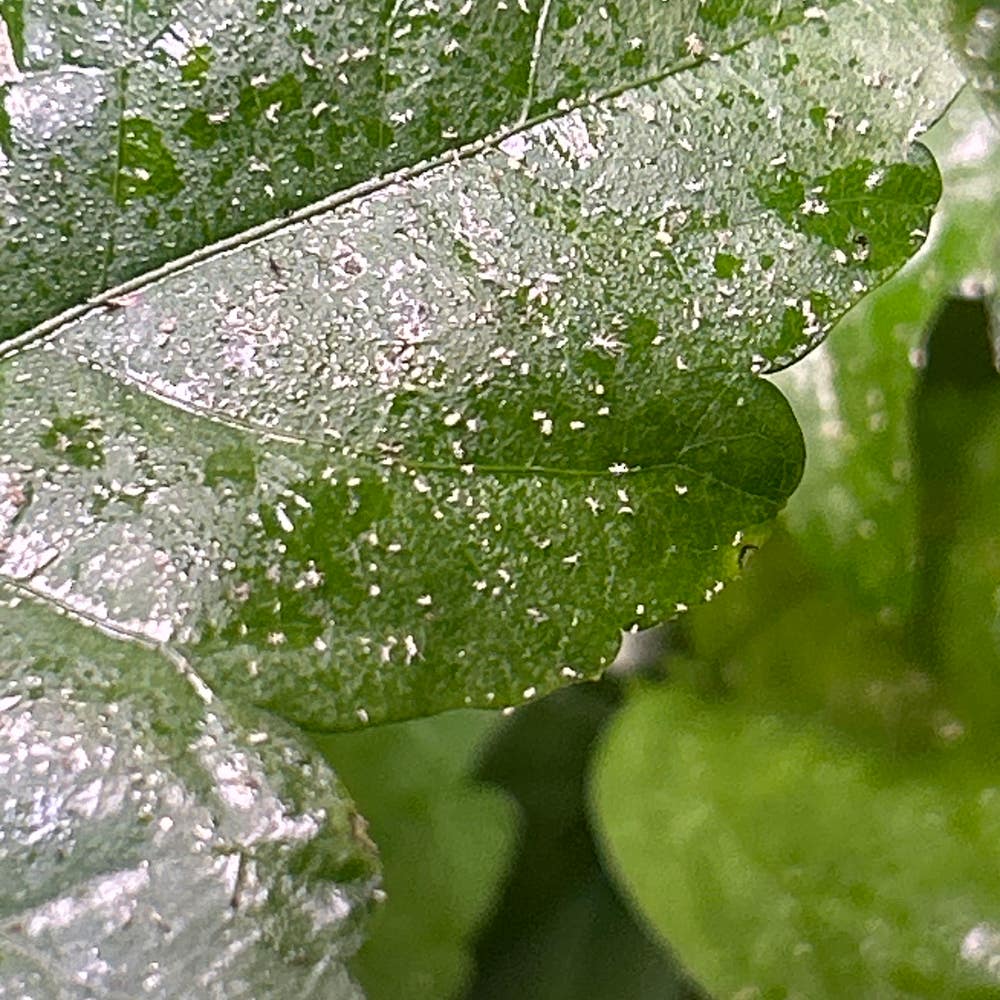
Pests and diseases can turn your plant's leaves yellow as they drain its vitality. Aphids, fungal infections, and other plant menaces can cause discoloration and should be on your radar. It's like your plant is waving a white flag, signaling a cry for help against these invaders. Keep an eye out for any unusual spots, stickiness, or webbing on the leaves, which are clear indicators of pest problems.

Turning Over a New Leaf: Fixing Yellow Leaves
💪 Feeding Your Plant Right
Soil testing isn't just for the pros. Get to know what's underfoot to tailor your Korean Hibiscus's diet. If nitrogen, iron, or magnesium are playing hard to get, your plant's leaves will throw a yellow tantrum.
Mix in compost or a soil conditioner to boost the soil's street cred. When it's growing season, sneak some humate into the topsoil. Think of it as a secret handshake between nutrients and roots.
Choosing the right fertilizer is like picking the perfect coffee blend: it's crucial. Go for a balanced one, but don't overdo it. Apply directly to the soil, following the label's streetwise advice.
💧 Watering Wisdom
Water deeply, but not too often. It's like teaching your plant to drink responsibly. This encourages roots to dive deeper and live their best life.
Improve drainage by getting your hands dirty. Mix in some gritty material like perlite or sand. It's like giving your plant's roots a breathable workout outfit.
🐜 Kicking Out the Critters
Pests are the uninvited party crashers. Show them the door with insecticidal soap or neem oil. It's the bouncer your plant needs.
Stay vigilant. Regular leaf inspections are like neighborhood watch for your Hibiscus. Spot the troublemakers early, and you can cut the drama short.
Remember, it's a jungle out there. But with the right moves, your Korean Hibiscus will stay as green as an envious chameleon.

Keeping the Green: Preventing Yellow Leaves
🌱 Routine Care for Vigorous Growth
Pruning isn't just a haircut for your Korean Hibiscus; it's a vital refresh. Late winter is the time to prune for a bushier demeanor. Trim back leggy growth, and don't shy away from a good chop—your plant will thank you with robust growth, even if it means a short wait for blooms.
Watering is a delicate dance. Consistency is key—let the soil dry out between waterings, but don't let your plant thirst for too long. Remember, the soil should feel like a wrung-out sponge, not a swamp.
Fertilization is like a plant's diet; balance is crucial. Use a balanced fertilizer, but don't overdo it—think nourishment, not a feast. And keep an eye on soil pH; it should stay just right to prevent nutrient lockout.
🕵️ Vigilance and Swift Action
Regular check-ups are your first line of defense. Spot a yellow leaf? Act fast. It could be a cry for help—too much water, not enough nutrients, or a pest making itself at home.
If you catch yellowing early, prune selectively. It's like removing the bad apples before they spoil the bunch. And while you're at it, ensure your fertilization isn't more gluttony than gourmet.
Stay on top of pests with good hygiene—clean tools, quarantine new plants, and keep an eye out for freeloaders. Remember, a healthy plant is the best deterrent, so keep that growth vigorous and that immune system strong.

⚠️ Safety First
This content is for general information and may contain errors, omissions, or outdated details. It is not medical, veterinary advice, or an endorsement of therapeutic claims.
Always consult a qualified healthcare professional before using any plant as food, medicine, or supplement.
Never eat any plant (or feed one to pets) without confirming its identity with at least two trusted sources.
If you suspect poisoning, call Poison Control (800) 222-1222, the Pet Poison Helpline (800) 213-6680, or your local emergency service immediately.
Spotted an error? Please report it here.
Combat yellow leaves on your Korean Hibiscus by using Greg to pinpoint deficiencies 🍂 and tailor a watering and fertilization plan for a thriving plant.