How to Cure Curling Leaves on Your Rose of Sharon 🌹
Hibiscus syriacus
By the Greg Editorial Team
Sep 30, 2024•6 min read
This article was created with the help of AI so we can cover more plants for you. May contain errors. See one? Report it here.
Revive your Rose of Sharon 🌿 by mastering the secrets to diagnosing and treating curling leaves effectively!
- 🌱 Curling leaves indicate stress from pests, drought, or nutrient deficiencies.
- 💧 Regular watering and humidity are essential to prevent wilting and curling.
- 🐞 Monitor for pests like aphids; use organic methods for effective control.
Causes of Curling Leaves
🌪️ Environmental Stress Factors
Heat Stress
Heat stress can cause leaves to curl upwards, a protective mechanism to reduce their surface area. To combat this, provide shade during peak sun hours, helping your Rose of Sharon thrive even in the hottest conditions.
Drought Conditions
When your plant experiences drought, leaves may curl and wilt due to insufficient moisture. Regular watering, especially during dry spells, is essential to keep your Rose of Sharon hydrated and healthy.
Humidity Levels
Low humidity can lead to leaf curl, impacting the overall health of your plant. Increasing humidity through misting or grouping plants together can create a more favorable environment.
🐛 Pest Infestations
Aphids
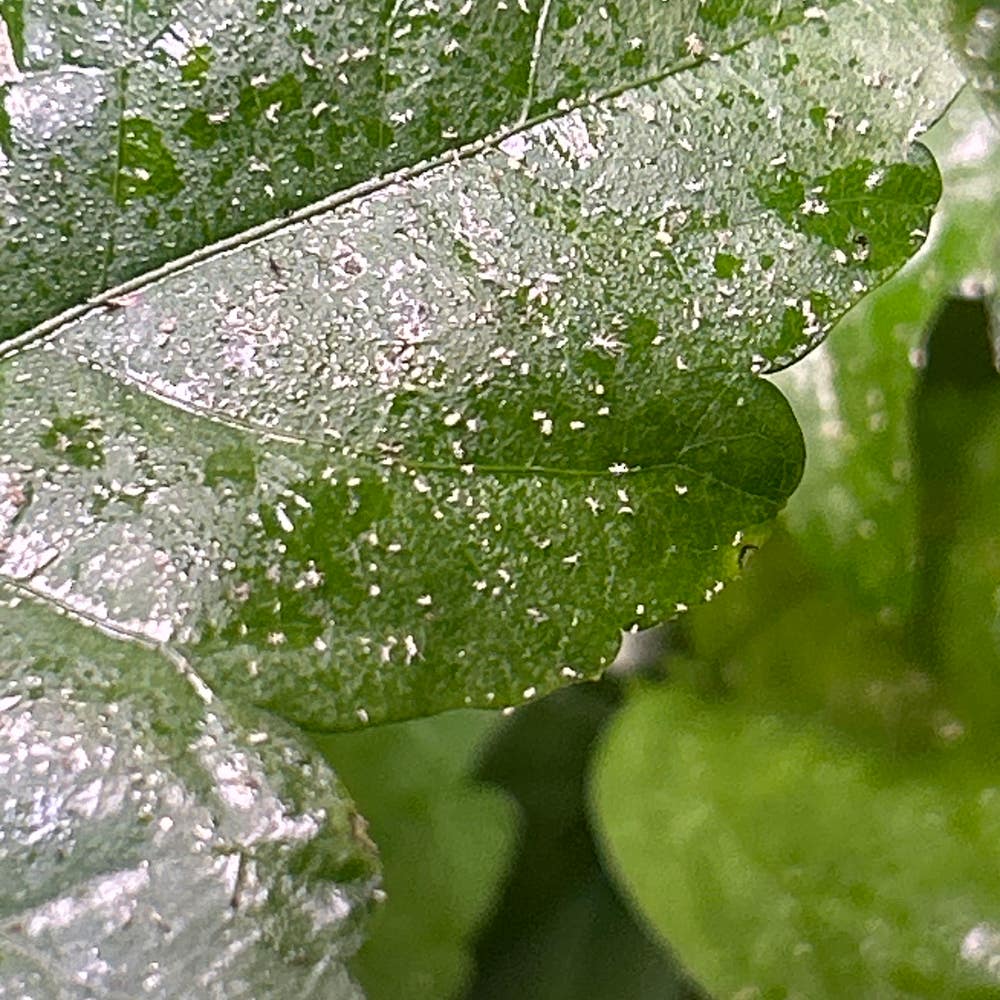
Aphids can be a nuisance, leaving a sticky residue on leaves and causing distorted growth. Control these pests by introducing beneficial insects like ladybugs or using insecticidal soap for effective treatment.
Spider Mites
Spider mites often leave fine webbing and stippled leaves as signs of their presence. To manage these pests, increase humidity around the plant and apply miticides if necessary.
🍄 Fungal Infections
Powdery Mildew
Powdery mildew appears as white powdery spots on leaves, leading to curling. To treat this, apply fungicides and improve air circulation around your plants.
Leaf Spot
Leaf spot manifests as dark spots on leaves, which can lead to curling and dropping. Remove affected leaves and apply appropriate fungicides to mitigate the issue.
🌱 Nutrient Deficiencies
Nitrogen Deficiency
A nitrogen deficiency can cause yellowing leaves and stunted growth. Using a balanced fertilizer will help replenish nitrogen levels and promote healthier foliage.
Potassium Deficiency
If you notice leaf curling and browning at the edges, your plant may be suffering from potassium deficiency. Applying potassium-rich fertilizers can significantly improve plant health and vitality.
Understanding these causes is crucial for maintaining the health of your Rose of Sharon. By addressing environmental stressors, pest infestations, fungal infections, and nutrient deficiencies, you can ensure your plant thrives beautifully. Next, we’ll explore how to diagnose curling leaves effectively.
Diagnosing Curling Leaves
Identifying Symptoms of Leaf Curl 🌿
Curling leaves can signal various issues. Start by observing changes in leaf shape and color, as these are key indicators of stress.
Pay attention to when the curling occurs. Seasonal patterns can help pinpoint whether environmental factors or pests are at play.
Differentiating Between Pest Damage and Environmental Stress 🐛
Next, examine your plant closely for visible pests or webbing. This can help you determine if pests are causing the leaf curl.
Also, assess environmental conditions such as temperature and moisture levels. Changes in these factors can lead to stress that manifests as curling leaves.
Assessing Soil Conditions and Moisture Levels 💧
Checking soil drainage is crucial for diagnosing leaf curl. Use a moisture meter or perform a finger test to gauge moisture levels accurately.
Look for signs of overwatering or poor drainage, as these can exacerbate leaf curling. Healthy soil conditions are vital for your plant's overall well-being.
Understanding these diagnostic steps will set you on the right path to restoring your Rose of Sharon's health. Next, let's explore effective treatment options to address the issues you've identified.
Treatment Options
🌱 Organic Pest Control Methods
To tackle pest issues on your Rose of Sharon, consider using neem oil. This natural solution is safe for your plants and effectively combats various pests.
Insecticidal soap is another excellent option. It specifically targets aphids and spider mites, providing a focused approach to pest management.
🍄 Fungal Treatment Solutions
Fungal infections can be tricky, but applying fungicides can help. For best results, spray early in the morning or late in the evening to protect beneficial insects.
Additionally, improving air circulation around your plants is crucial. Avoid overhead watering to minimize fungal growth and keep your plants healthy.
💧 Adjusting Watering Practices
Establishing a consistent watering schedule is vital for plant health. Aim to water deeply once a week, adjusting based on weather conditions.
Monitoring soil moisture levels is equally important. This helps prevent overwatering, which can lead to root rot and other issues.
🌾 Fertilization Techniques to Address Nutrient Deficiencies
Using slow-release fertilizers can significantly benefit your plants. Be sure to follow the application rate on the package based on your plant's size.
Consider conducting a soil test to determine specific nutrient needs. This proactive approach ensures your Rose of Sharon receives the right nutrients for optimal growth.
By implementing these treatment options, you can effectively address curling leaves and promote the overall health of your Rose of Sharon. Next, let's explore preventive measures to keep your plants thriving year-round.
Preventive Measures
Best Practices for Watering and Soil Management 🌱
To keep your Rose of Sharon thriving, start with well-draining soil. Amending it with organic matter can significantly improve drainage, preventing waterlogging.
Watering early in the day is another smart move. This practice reduces evaporation, ensuring your plants absorb the moisture they need.
Regular Monitoring for Pests and Diseases 🐞
Regular inspections are key to maintaining plant health. Schedule weekly checks to spot any signs of pests or fungal infections early.
Using sticky traps can help you monitor pest populations effectively. These traps provide a visual cue, allowing you to take action before infestations escalate.
Seasonal Care Tips 🌸
Each season brings unique care needs. In spring, focus on fertilizing and pruning to encourage robust growth.
During summer, consistency is crucial. Maintain regular watering and keep an eye out for any signs of stress in your plants.
Pruning Techniques to Promote Air Circulation ✂️
Pruning is essential for healthy air circulation. Remove dead or overcrowded branches, ideally in late winter or early spring before new growth begins.
Aim for an open center in your plant's structure. This allows light and air to circulate freely, promoting overall health and vitality.
By implementing these preventive measures, you can create a thriving environment for your Rose of Sharon, reducing the likelihood of curling leaves and other issues. Next, let’s explore post-treatment care to ensure your plants bounce back beautifully.
Post-Treatment Care
Monitoring Recovery of Affected Plants 🌱
After treatment, keep a close eye on your Rose of Sharon. Look for new growth and healthier leaves, which are clear signs of recovery.
Signs of Improvement to Look For 🌈
As your plant heals, you should notice the leaf color returning to a vibrant green. Additionally, a reduction in leaf curl and pest activity indicates that your efforts are paying off.
Long-Term Care Strategies to Prevent Recurrence 🛡️
To ensure lasting health, maintain a regular care schedule that includes consistent watering, fertilization, and pest monitoring.
Educate yourself on seasonal changes and how they impact your plant's health. This knowledge will empower you to make informed decisions and keep your Rose of Sharon thriving.
By staying proactive, you can enjoy a flourishing garden and prevent future issues. Now, let’s explore preventive measures to keep your plants in top shape.
⚠️ Safety First
This content is for general information and may contain errors, omissions, or outdated details. It is not medical, veterinary advice, or an endorsement of therapeutic claims.
Always consult a qualified healthcare professional before using any plant as food, medicine, or supplement.
Never eat any plant (or feed one to pets) without confirming its identity with at least two trusted sources.
If you suspect poisoning, call Poison Control (800) 222-1222, the Pet Poison Helpline (800) 213-6680, or your local emergency service immediately.
Spotted an error? Please report it here.
Transform your Rose of Sharon's curling leaves into lush greenery 🌿 by using Greg's tailored care reminders and pest control tips to keep your plant thriving!