🌸 Why Your Rose of Sharon Buds Won't Open
Hibiscus syriacus
By the Greg Editorial Team
Sep 30, 2024•5 min read
This article was created with the help of AI so we can cover more plants for you. May contain errors. See one? Report it here.
Transform your Rose of Sharon into a blooming beauty 🌼 with essential tips on light, nutrients, and pruning!
- 🌞 Rose of Sharon needs 6-8 hours of sunlight daily for blooming success.
- 🌱 Nutrient deficiencies in phosphorus and potassium can stunt growth and flowering.
- ✂️ Prune correctly in late winter to ensure vibrant spring blooms.
Flowering Issues in Rose of Sharon
🌼 Common Reasons for Failure to Bloom
Insufficient Light Exposure
Rose of Sharon thrives on sunlight, needing a minimum of 6-8 hours of direct exposure daily. Without this, you may notice reduced flowering and leggy growth, as the plant stretches toward the light.
Nutrient Deficiencies
Key nutrients like phosphorus and potassium are crucial for blooming. If your plant shows signs of stunted growth or yellowing leaves, it may be lacking these essential nutrients.
Improper Pruning Techniques
Timing is everything when it comes to pruning. If you prune too late, you risk removing the flower buds that would have bloomed in the spring.
Environmental Stress
Drought can sap your Rose of Sharon's energy, making it difficult for the plant to produce blooms. Similarly, extreme temperatures can delay or even prevent flowering altogether.
🌧️ Causes of Premature Flower Drop
Environmental Factors
Sudden temperature changes can stress your plant, leading to bud drop. Excessive rainfall can also be detrimental, causing root rot and leaching essential nutrients from the soil.
Nutritional Imbalances
Over-fertilization can burn roots, resulting in bud drop. Conversely, a lack of essential nutrients can weaken the plant, making it unable to sustain its blooms.
Pest Issues
Pests like aphids and spider mites can wreak havoc on your flowers. Look for signs of infestation, such as sticky residue or distorted leaves, to catch these issues early.
🌱 Factors Leading to Abnormal Flower Development
Genetic Factors
Some cultivars of Rose of Sharon may have irregular blooming patterns due to their genetic makeup. If you notice unusual flowering behavior, it might just be in the plant's genes.
Environmental Stressors
High humidity levels can lead to malformed flowers, while insufficient pollination can affect flower shape and size. Both factors can significantly impact the overall appearance of your blooms.
Soil Conditions
Poor drainage can cause root issues that affect flower quality. Additionally, maintaining a soil pH between 6.0 and 7.0 is essential for optimal growth and blooming.
Understanding these factors can help you troubleshoot and enhance the blooming potential of your Rose of Sharon. Next, we’ll dive into the nutritional needs essential for vibrant flowers.
Nutritional Needs
Essential Nutrients for Blooming 🌸
To achieve vibrant blooms, your Rose of Sharon requires three key nutrients: nitrogen, phosphorus, and potassium. These elements work together to promote healthy growth and flowering.
Applying fertilizer in early spring is crucial for optimal results. This timing ensures that your plant has the nutrients it needs as it begins its growing season.
Signs of Nutrient Deficiencies ⚠️
Recognizing nutrient deficiencies early can save your plant from poor performance. A phosphorus deficiency often manifests as dark green leaves with minimal flowering, signaling that your plant is struggling.
On the other hand, potassium deficiency presents itself through yellowing leaf edges and weak stems. If you notice these signs, it’s time to reassess your fertilization strategy.
Understanding these nutritional needs and deficiencies will set the stage for a thriving Rose of Sharon. Next, let’s explore the best practices for pruning to encourage those beautiful blooms.
Pruning and Maintenance
Best Practices for Pruning to Encourage Blooms 🌹
Pruning your Rose of Sharon is essential for promoting vibrant blooms. A good rule of thumb is to cut back about one-third of the plant, which encourages new growth and helps maintain its shape.
Using clean, sharp pruning shears is crucial. This not only makes the job easier but also prevents the spread of disease among your plants.
Timing of Pruning for Optimal Flowering ⏰
Timing is everything when it comes to pruning. The best period to prune your Rose of Sharon is late winter to early spring, just before new growth begins.
Improper timing can lead to a significant loss of potential blooms. If you prune too late, you risk cutting off the flower buds that are already forming, leaving you with fewer flowers to enjoy.
By following these pruning and maintenance tips, you can ensure your Rose of Sharon thrives and produces beautiful blooms. Next, let’s explore the nutritional needs of these stunning plants to further enhance their growth.
Pest and Disease Management
Common Pests Affecting Flower Development 🐞
Aphids are notorious for wreaking havoc on your Rose of Sharon. Look for curling leaves and a sticky residue on the plant, which are telltale signs of an infestation.
To control aphids, consider using insecticidal soap or introducing natural predators like ladybugs. These methods can help keep your plants healthy and thriving.
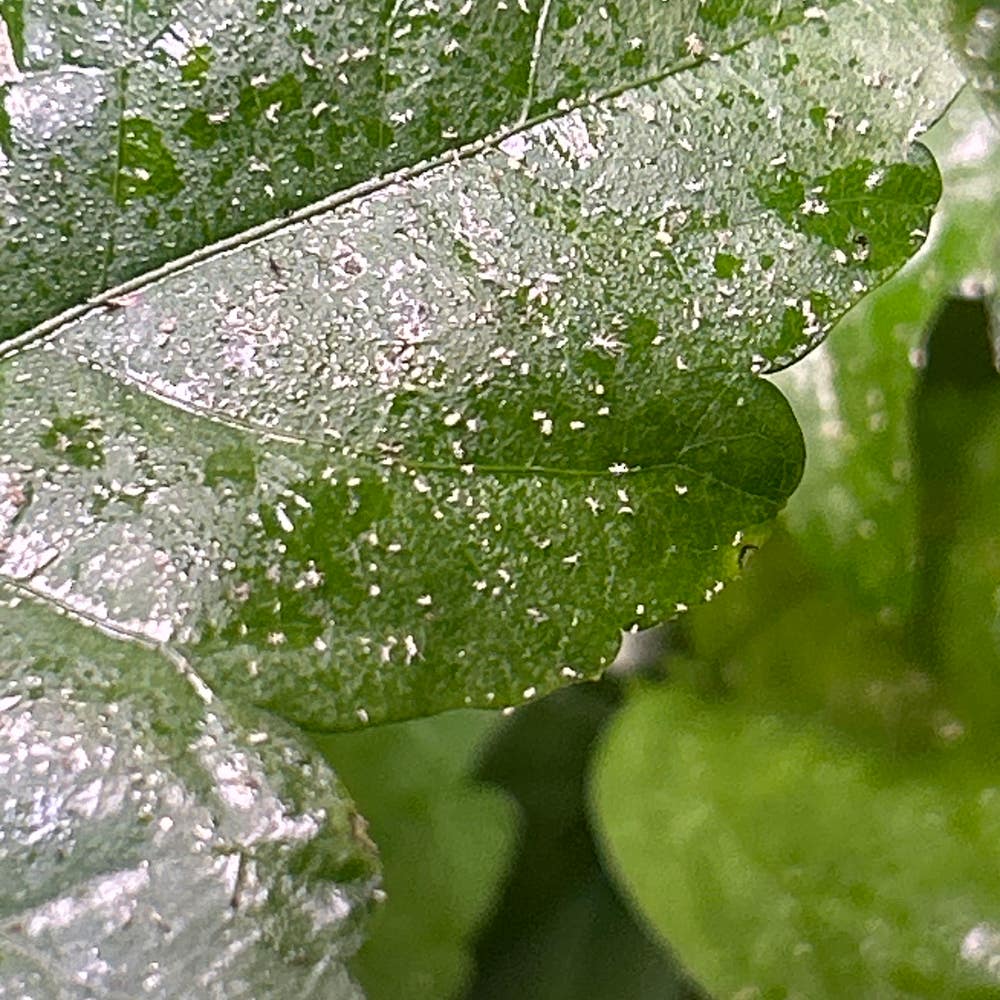
Spider mites are another common pest that can affect flower development. Symptoms include fine webbing on leaves and stippled surfaces, indicating that your plant is under attack.
To manage spider mites, increase humidity around the plant and consider using miticides if the infestation is severe. Keeping the environment conducive to growth can make a significant difference.
Diseases That Can Cause Bud Drop 🌱
Root rot is a serious concern for Rose of Sharon owners. Symptoms include wilting and yellowing leaves, signaling that the roots are struggling.
Prevent root rot by ensuring proper drainage and avoiding overwatering. A well-drained soil mix can save your plant from this fate.
Fungal infections can also lead to bud drop, manifesting as discolored spots on leaves and buds. These infections can weaken your plant and hinder its blooming potential.
For treatment, use fungicides and improve air circulation around the plant. Healthy airflow can help prevent fungal growth and keep your Rose of Sharon flourishing.
Understanding these pests and diseases is crucial for maintaining the health of your Rose of Sharon. With the right management strategies, you can ensure vibrant blooms and a thriving garden. Next, let’s explore the nutritional needs that support healthy flowering.
⚠️ Safety First
This content is for general information and may contain errors, omissions, or outdated details. It is not medical, veterinary advice, or an endorsement of therapeutic claims.
Always consult a qualified healthcare professional before using any plant as food, medicine, or supplement.
Never eat any plant (or feed one to pets) without confirming its identity with at least two trusted sources.
If you suspect poisoning, call Poison Control (800) 222-1222, the Pet Poison Helpline (800) 213-6680, or your local emergency service immediately.
Spotted an error? Please report it here.
Unlock your Rose of Sharon's blooming potential 🌸 with Greg's tailored care reminders and expert tips, ensuring your plant gets the sunlight, nutrients, and attention it craves for vibrant flowers!