Why Are My Korean Hibiscus Leaves Droopy?
Hibiscus syriacus
By the Greg Editorial Team
Jun 18, 2024•6 min read
This article was created with the help of AI so we can cover more plants for you. May contain errors. See one? Report it here.
Say goodbye to droopy Hibiscus leaves 🍂 with these fail-proof plant care secrets!
- Droopy leaves signal distress; check soil moisture and stem health.
- Balance water, light, and temperature to prevent environmental stress.
- Monitor and adjust care with seasons, ensuring nutrient-rich soil and proper hydration.
Spotting the Droop: What to Look For
🌿 Identifying Droopy Leaves
Droopy leaves on your Korean Hibiscus aren't just a plant having a bad day; they're a distress signal. Leaves should be firm and upright, so take note when they look more like a weary traveler at the end of a long journey.
🕵️ Quick Checks
Before you start playing the blame game, check the soil moisture. If it's wetter than a rainforest floor, hold off on the waterworks. Conversely, if it's drier than a stand-up comedian's wit, it's time to hydrate.
🌲 Dead Stems and Branches
Don't overlook the woody parts. A scratch test can reveal if your plant's skeleton has kicked the bucket. Green is good; brown means it's time for some stem CPR.
🌍 Environmental Stress Signals
Leaves dropping like flies? Could be a sign your plant is throwing a temper tantrum over the room temperature. Keep it as consistent as a favorite TV show's weekly airing schedule.
🐜 Pests and Disease Vigilance
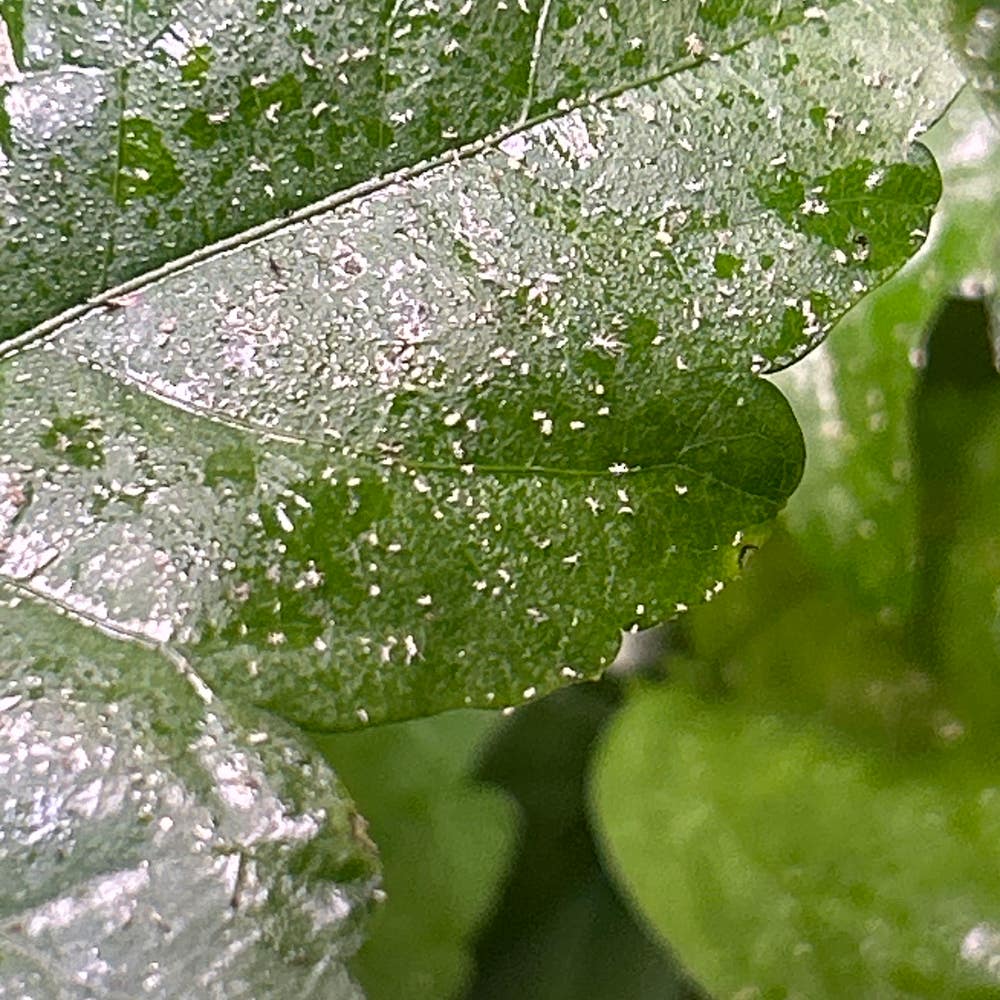
Regular plant check-ups are a must. If you spot some uninvited guests, evict them ASAP. Keep those leaves as clean as a whistle to avoid any unwanted plant parties.
❄️ Seasonal Changes
Remember, plants don't have calendars. They rely on you to adjust their care as the seasons change. Be as attentive as a cat watching a laser pointer.
🌱 In Summary
Droopy leaves can mean many things, but they're all fixable. Stay observant, and your Korean Hibiscus will be back to its perky self in no time.

Thirsty or Drowning? Balancing Water Needs
Overwatering is the equivalent of giving your plant a pair of concrete shoes. Signs include yellowing leaves and a general look of despair. If the soil feels like a wet sponge, you've gone overboard. To cut back, let the soil dry out before watering again, and ensure drainage is up to par.
Conversely, underwatering turns your plant into a crispy critter. Look for browning edges and an overall wilted demeanor. The soil should not be drier than a stand-up comedian's humor. To safely increase hydration, water deeply but infrequently, allowing the top inch of soil to dry out between waterings.
Remember, your plant isn't on a strict drinking schedule. Check the soil before reaching for the watering can. Too wet? Step away. Bone dry? Time for a drink. And always use room temperature water—your plant will thank you.

Keeping the Balance: Environmental Factors
💡 Adjusting Light and Temperature
Light is like your Korean Hibiscus's best friend—it thrives in bright, direct sunlight. Keep it close to a window, but watch out for the midday sun that can be more foe than friend. Too much heat, and your plant's leaves might throw a fit and droop in protest. Aim for a spot that basks in the morning light and stays bright throughout the day without turning into a plant sauna.
Temperature is the silent player in this game. Your Korean Hibiscus doesn't do well with the cold shoulder, nor does it like a hot temper. Maintain a cozy range between 60-85°F (16-29°C), and avoid placing it near air conditioners or heaters that cause dramatic shifts. Consistency is the secret sauce here—no sudden temperature tantrums allowed.
🛡️ Protecting from Environmental Stress
Drafts are the ninja assassins of the plant world. They sneak up and strike, leaving your Korean Hibiscus leaves droopy and drama-filled. Keep your plant away from open windows or doors where gusts of air can cause an unexpected chill.
Humidity can be a tricky customer. Too little, and your plant's leaves might crisp up like they're ready for autumn. Too much, and they'll droop like they've lost all hope. Aim for that sweet spot where the air isn't too dry or too moist, and your plant feels like it's living in its own personal rainforest—minus the actual rain.
Remember, your Korean Hibiscus isn't asking for a tropical vacation, but it does crave that stable environment. Keep an eye on it like it's the star of the show, because let's face it, in your garden or home, it probably is.

Feeding Your Plant: Nutrient Needs and Deficiencies
💡 Identifying Signs of Nutrient Deficiency
Yellowing leaves may signal a nitrogen shortage, while stunted growth could point to a potassium deficit. Phosphorus is no less crucial; a lack of it can leave your plant's growth as uninspired as a Monday morning. Don't just guess—test your soil to pinpoint the problem.
🍽️ Choosing the Right Fertilizer
Selecting fertilizer is not a one-size-fits-all affair. Consider your plant's unique dietary needs, much like a tailored diet plan. Balanced fertilizers are a good starting point, but adjust based on your Korean Hibiscus's feedback loop—its leaves will tell you if you've hit the mark or missed the pot.
👩🌾 The Fertilization Schedule
A consistent feeding schedule keeps your plant robust, much like a regular mealtime keeps us humans from getting hangry. Overfertilizing, however, is the botanical equivalent of binge eating junk food—harmful in the long run. Aim for moderation; a well-fed plant is a happy plant.
Proactive Plant Parenting: Prevention Strategies
💫 Crafting a Care Routine
Consistency is your Korean Hibiscus's best friend. Water like clockwork, adjust light as if it's second nature. Seasons change, and so should your care—think of it as updating your plant's wardrobe.
👀 Regular Monitoring for Early Intervention
Vigilance: the unsung hero in plant care. Keep an eagle eye on leaf posture, color shifts, or growth slowdowns. It's like knowing when your friend is off their game—you can feel it before things go south.
🕵️ The Plant Detective Work
Get personal with your plant. Regular check-ups aren't nosy; they're necessary. Spot a droop or a discolor? Time to tweak your routine with the precision of a plant whisperer.
🏋️ The Plant's Personal Trainer
Your Korean Hibiscus needs a coach. Ensure it's standing tall with the right soil mix and a supportive pot. Sometimes, a little staking is all it takes to go from slouchy to statuesque.
Integrated Care: The Best Offense
Proactivity beats reactivity every time. Embrace this mantra, and your Korean Hibiscus will reward you with perky leaves that scoff at the very idea of droopiness.
⚠️ Safety First
This content is for general information and may contain errors, omissions, or outdated details. It is not medical, veterinary advice, or an endorsement of therapeutic claims.
Always consult a qualified healthcare professional before using any plant as food, medicine, or supplement.
Never eat any plant (or feed one to pets) without confirming its identity with at least two trusted sources.
If you suspect poisoning, call Poison Control (800) 222-1222, the Pet Poison Helpline (800) 213-6680, or your local emergency service immediately.
Spotted an error? Please report it here.
Banish droopy leaves and keep your Korean Hibiscus thriving 🌺 with Greg's precise soil moisture monitoring and custom care reminders!