🌸 Rose of Sharon 'Lil' Kim': A Comprehensive Overview
Hibiscus syriacus
By the Greg Editorial Team
Jan 23, 2025•13 min read
This article was created with the help of AI so we can cover more plants for you. May contain errors. See one? Report it here.
Elevate your garden with the vibrant Rose of Sharon 'Lil' Kim' 🌼 and enjoy effortless blooms all summer long!
- 🌞 Rose of Sharon 'Lil' Kim' needs 6-8 hours of sunlight for optimal growth.
- 🌱 Well-draining, fertile soil with pH 6.0-7.0 is essential for health.
- 🌼 Prune in late winter or early spring to promote airflow and remove dead branches.
How to Grow
Choosing a Location 🌞
To thrive, the Rose of Sharon 'Lil' Kim' needs full sun, requiring 6 to 8 hours of sunlight daily. Ensure there's enough space around the plant for growth and air circulation, which helps prevent diseases.
Soil Preparation 🌱
This plant prefers well-draining, fertile soil to flourish. Aim for a soil pH between slightly acidic and neutral, ideally between 6.0 and 7.0, to support healthy growth.
Planting Techniques 🌼
The best times to plant are in spring or fall, allowing the plant to establish itself. When planting, ensure the root ball is level with the surrounding soil for optimal growth.
Watering Requirements 💧
After planting, give your Rose of Sharon a deep watering to help it settle in. During dry spells, maintain a consistent watering schedule to keep the soil moist but not soggy.
Fertilizing Schedule 🌿
Use a balanced NPK fertilizer to nourish your plant, applying it in early spring and mid-summer. This will support robust growth and vibrant blooms.
Pruning Methods ✂️
Prune your Rose of Sharon in late winter or early spring, just before new growth begins. Focus on removing dead or crossing branches to enhance airflow and promote a healthier plant.
Ongoing Care Tips 🪴
For container care, ensure adequate drainage and regularly monitor moisture levels. If planted outdoors, consider mulching to retain moisture and suppress weeds, keeping your plant healthy and thriving.
With these guidelines, your Rose of Sharon 'Lil' Kim' will flourish beautifully. Next, let’s explore how to propagate this stunning plant for even more blooms in your garden.
Propagation
🌱 Methods
Propagation of the Rose of Sharon 'Lil' Kim' can be achieved through two primary methods: seeds and cuttings. Each method has its own steps and considerations, making it accessible for both novice and experienced gardeners.
Seeds
Collect Seeds: Start by gathering seeds from mature pods. This ensures you have viable seeds for planting.
Stratify Seeds: Place the seeds in a cool, moist environment for 30 days. This process mimics natural conditions and helps improve germination rates.
Sow Seeds: Finally, plant the seeds in well-draining soil. This step is crucial for healthy root development and growth.
Cuttings
Take Cuttings: Cut 4-6 inch sections from healthy stems. Choose stems that are robust and free from disease.
Dip in Rooting Hormone: Coat the cut ends in rooting hormone. This encourages root growth and increases the chances of successful propagation.
Plant in Medium: Place the cuttings in a moist, well-draining medium. Ensure the environment is conducive to rooting, with adequate moisture and warmth.
Propagation can be a rewarding experience, allowing you to expand your garden with new plants. Whether you choose seeds or cuttings, both methods offer a chance to nurture and grow your own Rose of Sharon 'Lil' Kim'.
Next, let’s explore the lifecycle of this beautiful plant, from germination to maturity.
Lifecycle
🌱 Stages of Growth
The lifecycle of the Rose of Sharon 'Lil' Kim' unfolds in distinct stages. It begins with germination, which takes about 7-14 days for seeds to sprout.
Following germination, the plant enters the seedling stage, where it develops true leaves. This is followed by a vegetative growth phase, marked by rapid growth as the plant establishes itself.
🌸 Flowering and Seed Production
The flowering stage kicks off in mid-summer, showcasing the plant's stunning blooms. After flowering, the plant shifts to seed production, ensuring the continuation of its lifecycle.
⏳ Lifespan and Growth Timeline
With proper care, the average lifespan of a Rose of Sharon 'Lil' Kim' can reach up to 20 years.
In terms of growth, expect a time to maturity of about 2-3 years for the plant to reach its full size. Its growth rate is moderate, typically adding 1-2 feet in height each year.
This lifecycle not only highlights the resilience of the plant but also its capacity to thrive in various conditions. Understanding these stages can help you nurture your Rose of Sharon effectively, ensuring it flourishes for years to come.
As we move forward, let’s explore the size of this beautiful shrub and what you can expect as it grows.
Size
🌱 Mature Dimensions
The Rose of Sharon 'Lil' Kim' typically reaches a mature height of 3 to 5 feet. Its spread usually ranges from 3 to 4 feet, making it a compact choice for various garden settings.
📏 Growth Rate and Size Variability
Several factors influence the size of your 'Lil' Kim.' Soil quality, sunlight exposure, and watering practices all play crucial roles in determining how large your plant will grow.
Ensuring optimal conditions can lead to a more robust and vibrant plant. By paying attention to these elements, you can enjoy a flourishing Rose of Sharon that fits perfectly in your garden space.
As you consider the size of your 'Lil' Kim,' remember that proper care will enhance its growth potential. This sets the stage for the next section, where we’ll explore the fascinating lifecycle of this resilient plant.
Roots
🌱 Characteristics
The Rose of Sharon 'Lil' Kim' features a fibrous root system that is shallow, typically extending 12-18 inches deep. These roots can spread out 2-3 feet from the base, allowing the plant to absorb nutrients and water efficiently.
⚠️ Common Issues
One of the most common problems with the root system is root rot, which occurs due to overwatering and poor drainage. This condition can severely affect the plant's health, leading to wilting and eventual death if not addressed promptly.
✅ Healthy vs. Unhealthy Roots
Healthy roots are firm, white, and spread evenly throughout the soil. In contrast, unhealthy roots appear dark, mushy, or foul-smelling, indicating a serious issue that needs immediate attention.
🔒 Recognizing Rootbound Conditions
If you notice roots growing out of the drainage holes, your plant may be rootbound. The solution is simple: repot the plant into a larger container or divide it to promote healthier growth.
Understanding the root system of your Rose of Sharon 'Lil' Kim' is essential for ensuring its longevity and vibrancy. By monitoring root health and addressing any issues promptly, you can enjoy a flourishing plant for years to come.
Next, let's explore the numerous benefits this beautiful plant brings to your garden.
Benefits
Top 5 Benefits 🌟
Attractive Blooms
The Rose of Sharon 'Lil' Kim' boasts stunning flowers that can brighten any garden. Their vibrant colors enhance your outdoor space, making it a visual delight.Pollinator-Friendly
This plant is a magnet for bees and butterflies. By planting 'Lil' Kim', you're not just beautifying your garden; you're also supporting local pollinator populations.Long Blooming Period
Enjoy a continuous display of color from summer to fall. The extended blooming season ensures your garden remains lively and inviting for months.Compact Size
With a mature height of just 3-5 feet, 'Lil' Kim' is perfect for small gardens or container gardening. Its compact nature allows you to maximize your space without sacrificing beauty.Low Maintenance
Once established, this plant requires minimal care. Its resilience makes it an excellent choice for both novice and experienced gardeners alike.
Incorporating the Rose of Sharon 'Lil' Kim' into your garden not only enhances its aesthetic appeal but also contributes to a healthier ecosystem. Next, let’s explore the best companion plants that can thrive alongside this beautiful shrub.
Companion Plants
Concept 🌱
Companion planting is a fantastic way to enhance your garden's diversity. It promotes better pest management and encourages healthy growth, creating a thriving ecosystem.
Best Companions 🌼
When considering companion plants for your Rose of Sharon 'Lil' Kim', think about options like Daylilies, Sedum, and Coneflowers. These plants share similar care needs and offer visual appeal, making them perfect partners in your garden.
Plants to Avoid 🚫
Be cautious with other hibiscus varieties, as they may compete for resources. Keeping these plants away from your Rose of Sharon can help ensure it thrives without unnecessary competition.
By selecting the right companions, you can create a vibrant and healthy garden environment. This thoughtful approach not only benefits your plants but also enhances the overall beauty of your outdoor space.
Toxicity to Humans
Safety 🌼
The Rose of Sharon 'Lil' Kim' is generally safe for humans. Major poison control centers do not list it as toxic, making it a worry-free addition to your garden.
Potential Minor Issues ⚠️
While it's not harmful, consuming large quantities may lead to mild skin irritation or digestive discomfort. It's always best to enjoy these beautiful blooms in moderation.
Cautionary Statement 🩺
Even with its safety profile, it's wise to exercise caution with any plant. If you experience unusual symptoms after contact or ingestion, seek medical advice promptly.
Edible
Edible Parts 🌸
The Rose of Sharon 'Lil' Kim' offers delightful edible parts, primarily its vibrant flowers and tender young leaves. These components not only add beauty to your garden but can also enhance your culinary creations.
Identification and Harvesting 🌿
For the best flavor, harvest the flowers in the morning when they are at their freshest. Gently pluck the blooms and young leaves, ensuring you leave enough for the plant to thrive.
Nutritional Value 🥗
These edible parts are not just tasty; they are also packed with nutrients. Rich in vitamins A and C, as well as antioxidants, they contribute to a healthy diet while adding a unique touch to your dishes.
As you explore the culinary potential of the Rose of Sharon, consider how these edible components can elevate your meals. Next, let’s dive into the plant's toxicity to pets, ensuring a safe environment for your furry friends.
Toxicity to Dogs
Safety 🐶
The Rose of Sharon 'Lil' Kim' is not listed as toxic by major pet poison control centers. This means you can enjoy its beauty without worrying too much about your furry friends.
Potential Minor Issues 🤢
However, if dogs consume large quantities of the plant, they may experience mild gastrointestinal upset. It's always best to monitor their behavior around any new plants.
Tips for Homes with Dogs 🏡
To keep your dog safe, place the Rose of Sharon out of their reach. Regularly check on your dog's interactions with the plant to ensure they aren't nibbling on it.
With these precautions, you can enjoy your garden while keeping your canine companions safe and sound.
Toxicity to Cats
Safety 🐱
The Rose of Sharon 'Lil' Kim' is not listed as toxic by major pet poison control centers. This means you can enjoy its beauty without worrying about your feline friends.
Potential Minor Issues 🤢
While generally safe, consuming large quantities may lead to mild gastrointestinal upset in cats. It's always best to keep an eye on their behavior around plants.
Tips for Homes with Cats 🏡
To ensure a harmonious home, place the Rose of Sharon out of reach of curious cats. Monitoring their behavior around new plants can help prevent any unexpected issues.
With these precautions, you can enjoy the vibrant blooms of 'Lil' Kim' while keeping your furry companions safe.
Problems
Common Issues 🌱
1. Incorrect Watering
Watering issues are a common problem for the Rose of Sharon 'Lil' Kim'. If you notice wilting or yellowing leaves, it’s a sign that your watering routine needs adjustment.
2. Incorrect Light Conditions
Light plays a crucial role in plant health. Leggy growth or poor flowering indicates that your plant may not be receiving enough sunlight, so consider relocating it to a sunnier spot.
3. Diseases
Diseases like powdery mildew and rust can affect your plant's vitality. To combat these issues, improve air circulation around the plant and apply fungicides as needed.
4. Root Problems
Root health is vital for overall plant well-being. Symptoms such as root rot or squishy roots suggest poor drainage, so ensure your plant has adequate drainage to thrive.
5. Leaf Issues
Leaf problems can manifest as scorching or yellowing. Adjusting your watering and light exposure can help restore your plant's health and vibrancy.
By staying vigilant and addressing these common issues, you can ensure your Rose of Sharon 'Lil' Kim' remains healthy and beautiful. Next, let’s explore the fascinating world of pests that might affect your plant.
Bugs
🐞 Potential Pest Issues
When growing the Rose of Sharon 'Lil' Kim', be aware of potential pest issues that can affect its health. Here are the most common pests to watch for:
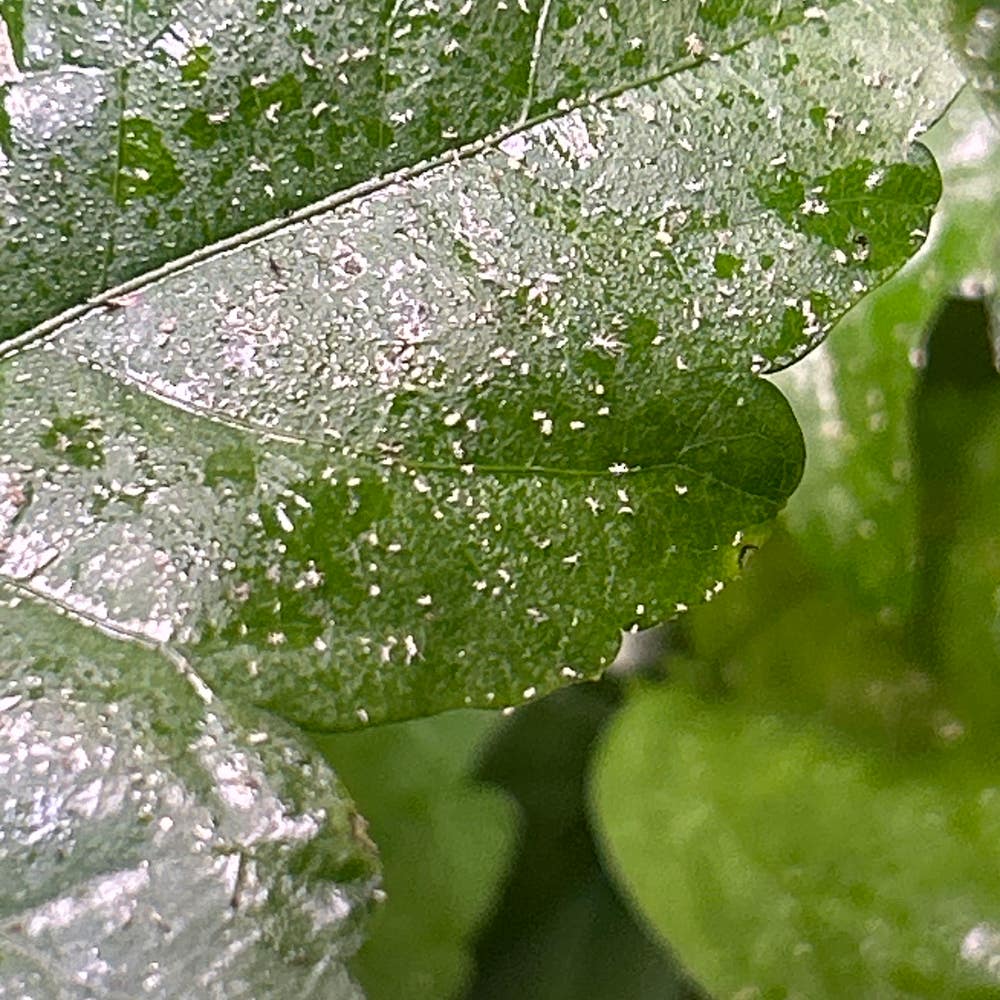
Spider Mites
- Identification: Look for fine webbing on leaves, which is a telltale sign of spider mites.
- Damage: These pests can cause leaf discoloration and eventual drop.
- Treatment: To combat spider mites, increase humidity around the plant and consider using miticides.
Scale Insects
- Identification: Scale insects appear as small, waxy bumps on stems.
- Damage: They can weaken the plant significantly, affecting its overall vitality.
- Treatment: Apply neem oil or insecticidal soap to eliminate these pests effectively.
Aphids
- Identification: These small green or black insects often cluster on new growth.
- Damage: Aphids can stunt growth and cause leaf curling, which is detrimental to your plant's health.
- Treatment: Use insecticidal soap or introduce natural predators to keep aphid populations in check.
By staying vigilant and addressing these pest issues promptly, you can ensure your Rose of Sharon thrives beautifully. Next, let’s explore what animals might be interested in munching on your plants.
What Eats
🦌 Common Animals
When it comes to the Rose of Sharon 'Lil' Kim', several common animals may take a liking to its lush foliage and vibrant blooms.
Deer
Deer are notorious for browsing on leaves and stems. If you notice stripped foliage, it's a clear sign of their presence. To deter these graceful grazers, consider installing fencing or using repellents.
Rabbits
Rabbits can be quite the nuisance, often leaving behind chewed stems and leaves. If your plants look gnawed, you might have a rabbit problem. Physical barriers or repellents can help keep these furry friends at bay.
Squirrels
Squirrels may not be the first pests that come to mind, but they can cause damage by chewing on branches. Look for signs like chewed bark to identify their activity. Scare tactics or repellents can effectively deter these agile critters.
Birds
Birds are attracted to the colorful flowers of the Rose of Sharon. If you see pecked flowers, they might be the culprits. Using netting or reflective objects can help protect your blooms from these feathered visitors.
Groundhogs/Woodchucks
Groundhogs, or woodchucks, can cause significant damage with their burrowing habits and appetite for plants. Signs of their presence include burrows and chewed plants. Traps or fencing are effective methods to manage these larger pests.
Understanding what eats your Rose of Sharon can help you take proactive measures to protect your garden. With the right deterrents in place, you can enjoy the beauty of your plants without the worry of unwanted visitors.
⚠️ Safety First
This content is for general information and may contain errors, omissions, or outdated details. It is not medical, veterinary advice, or an endorsement of therapeutic claims.
Always consult a qualified healthcare professional before using any plant as food, medicine, or supplement.
Never eat any plant (or feed one to pets) without confirming its identity with at least two trusted sources.
If you suspect poisoning, call Poison Control (800) 222-1222, the Pet Poison Helpline (800) 213-6680, or your local emergency service immediately.
Spotted an error? Please report it here.
Grow a thriving Rose of Sharon 'Lil' Kim' 🌼 by using Greg's personalized care reminders to keep your plant healthy and vibrant all year round!