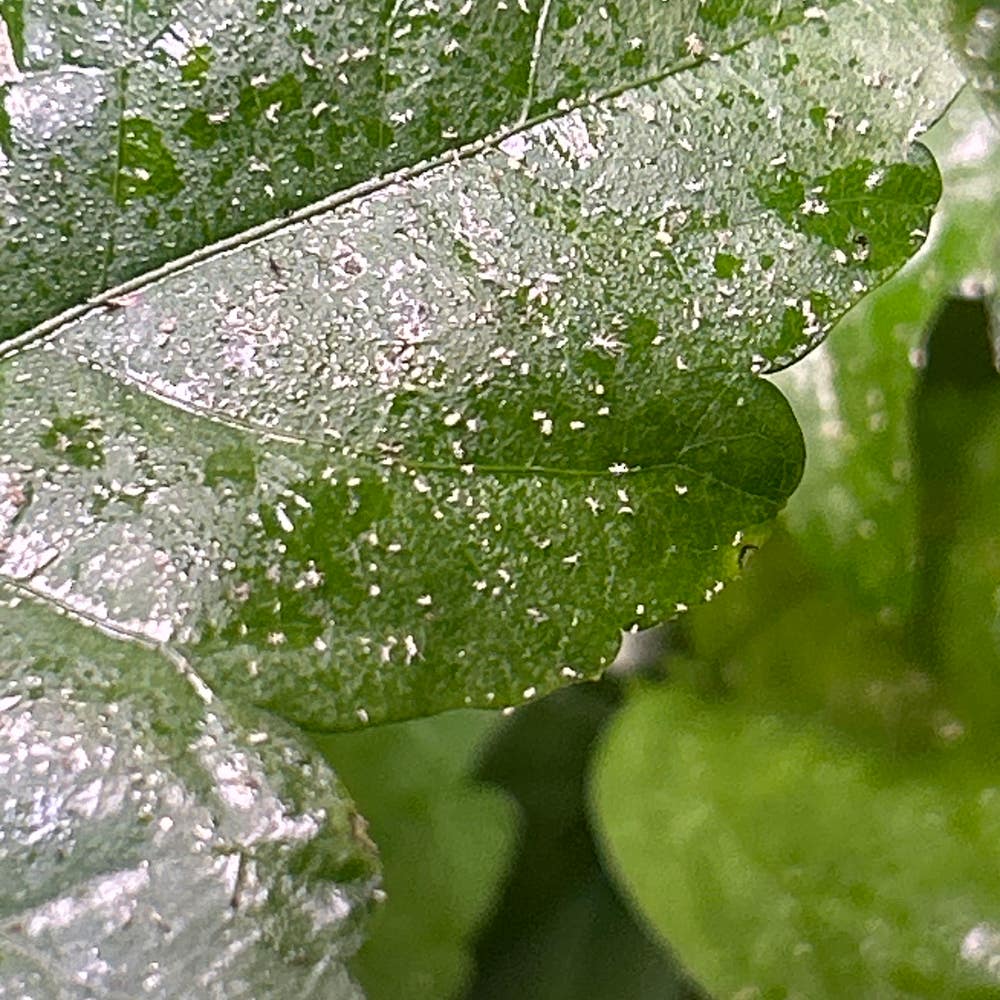
🐛 What To Do About Bugs on My Korean Hibiscus?
Hibiscus syriacus
By the Greg Editorial Team
Jun 18, 2024•3 min read
This article was created with the help of AI so we can cover more plants for you. May contain errors. See one? Report it here.
Shield your Korean Hibiscus 🌺 from bug invasions with expert-recommended defense tactics!
- 🕷️ Watch for webbing and mottled leaves to spot spider mites.
- 🍸 Alcohol swabs and ladybugs combat scale insects effectively.
- 🌱 Dry soil and sticky traps deter fungus gnats and fruit flies.
Meet the Uninvited: Common Bugs on Korean Hibiscus
🕷️ Spider Mites: The Sneaky Sap-Suckers
Spotting the Signs: Webbing and Leaf Damage
Tiny web-spinners wreak havoc on your Korean Hibiscus. Look out for fine webbing and mottled leaves.
🛡️ Combat Strategies: From Neem Oil to Leaf Baths
Blast them away with a strong stream of water or apply neem oil. Consistency is key.
🌡️ Prevention Patrol: Humidity and Plant Inspections
Increase humidity to deter mites. Inspect your plants regularly to catch infestations early.
🦟 Scale: The Sticky Freeloaders
Unmasking the Camouflaged: Waxy Covers and Plant Decline
If your plant's growth is stunted, check for bumpy scale insects hiding under leaves and stems.
🛡️ Eradication Tactics: Alcohol Swabs to Ladybug Allies
Rub them off with alcohol-soaked cotton swabs. Release ladybugs as natural predators.
🚪 Fortifying Defenses: Cleanliness and Quarantine Measures
Keep your plants clean and quarantine new additions to prevent scale spread.
🦟 Fungus Gnats and Fruit Flies: The Soil Saboteurs
Catching the Culprits: Tiny Flies and Larvae Trails
Spot these pests by the tiny flies that emerge from the soil when disturbed.
🚨 Remedial Actions: Hydrogen Peroxide and Sticky Traps
Drench the soil with hydrogen peroxide to kill larvae and use sticky traps for adults.
🏜️ Drought Defense: Dry Soil Tactics and Drainage
Let the soil dry out between waterings and ensure excellent drainage to combat these pests.
🐛 Mealybugs: The Fluffy Vandals
The White Warning: Cottony Clusters and Sticky Leaves
White, cotton-like masses signal a mealybug invasion. Sticky leaves are a telltale sign.
🧼 The Cleanup Crew: Alcohol, Oil, and Soap
Dab individual bugs with alcohol and treat with horticultural oil or insecticidal soap.
💨 Airflow Allies: Circulation and Spacing Strategies
Improve airflow and space plants apart to make life harder for mealybugs.
🦗 Aphids: The Sap-Sucking Swarm
The Green Menace: Clusters on New Growth
Aphids love fresh growth. Spot them in clusters on new stems and leaves.
🛡️ The Counterattack: Soaps, Oils, and Beneficial Bugs
Fight back with insecticidal soap, neem oil, or introduce beneficial insects like ladybugs.
🛡️ Reflective Shields: Mulch and Fertilization Finesse
Use reflective mulch and adjust fertilization to make your plants less appealing to aphids.

Advanced Pest Patrol: Dealing with Other Culprits
🐞 Quick Tips for Tackling Whiteflies, Thrips, and Caterpillars
Whiteflies are like uninvited guests who crash your garden party. Yellow sticky traps are your bouncers, showing them the door. If they're stubborn, break out the neem oil or insecticidal soap. Remember, these pests are like bad habits—hard to break, so stay consistent.
Thrips might seem like ninja warriors, stealthy and damaging. To combat these sneaky adversaries, introduce predatory mites or apply neem oil. They're small but mighty, so keep your eyes peeled for the telltale signs of silvery speckles on leaves.
Caterpillars, the leaf-munching machines, can be thwarted with Bacillus thuringiensis—a bacteria that's like kryptonite to them. If they're playing hardball, a systemic insecticide might be your last resort. Just be sure to follow the label like it's your garden's constitution.
🎯 Specific Identification and Targeted Treatments
Identify the pest before you declare war. Each one has its own battle plan. For whiteflies, consider the strategic use of insecticidal soap. Thrips require a keen eye and maybe a dose of spinosad for a direct hit. Caterpillars? They're no match for the targeted strike of Bacillus thuringiensis.
Remember, the garden is your turf. Stay vigilant, be ready to adapt, and keep those pests in check with a mix of cunning and brute force.


⚠️ Safety First
This content is for general information and may contain errors, omissions, or outdated details. It is not medical, veterinary advice, or an endorsement of therapeutic claims.
Always consult a qualified healthcare professional before using any plant as food, medicine, or supplement.
Never eat any plant (or feed one to pets) without confirming its identity with at least two trusted sources.
If you suspect poisoning, call Poison Control (800) 222-1222, the Pet Poison Helpline (800) 213-6680, or your local emergency service immediately.
Spotted an error? Please report it here.
Eradicate pests from your Korean Hibiscus using smart strategies from the article and Greg's 🌱 custom care reminders to keep your garden thriving and resilient.