Best Tips for Droopy Leaves on Rose of Sharon 🌸
Hibiscus syriacus
By the Greg Editorial Team
Sep 30, 2024•6 min read
This article was created with the help of AI so we can cover more plants for you. May contain errors. See one? Report it here.
Transform your droopy Rose of Sharon 🌼 into a vibrant beauty with essential care tips for thriving plants!
- 💧 Droopy leaves result from overwatering or underwatering; balance is key.
- 🌱 Nutrient deficiencies and pests can also cause droopiness; inspect regularly.
- ☀️ Provide adequate sunlight and shade to prevent environmental stress.
Causes of Droopy Leaves
💧 Overwatering and Underwatering
Droopy leaves on your Rose of Sharon can often stem from improper watering. Overwatering typically shows signs like yellowing leaves, soggy soil, and even root rot, while underwatering manifests as dry, crispy leaves with soil pulling away from the pot.
To keep your plant thriving, aim for an ideal watering frequency of every 1-2 weeks, adjusting based on weather conditions. This balance is crucial for maintaining healthy foliage.
🌱 Nutrient Deficiencies
Nitrogen Deficiency
A lack of nitrogen can lead to pale leaves and stunted growth. If you notice these symptoms, consider using a balanced fertilizer that includes nitrogen to rejuvenate your plant.
Potassium Deficiency
Potassium deficiency often presents itself through browning leaf edges and weak stems. To combat this, apply a potassium-rich fertilizer to strengthen your Rose of Sharon.
🐞 Pest Infestations
Aphids
Aphids can be a nuisance, leaving sticky residue on leaves and causing them to curl. Control these pests with insecticidal soap or neem oil for effective management.
Spider Mites
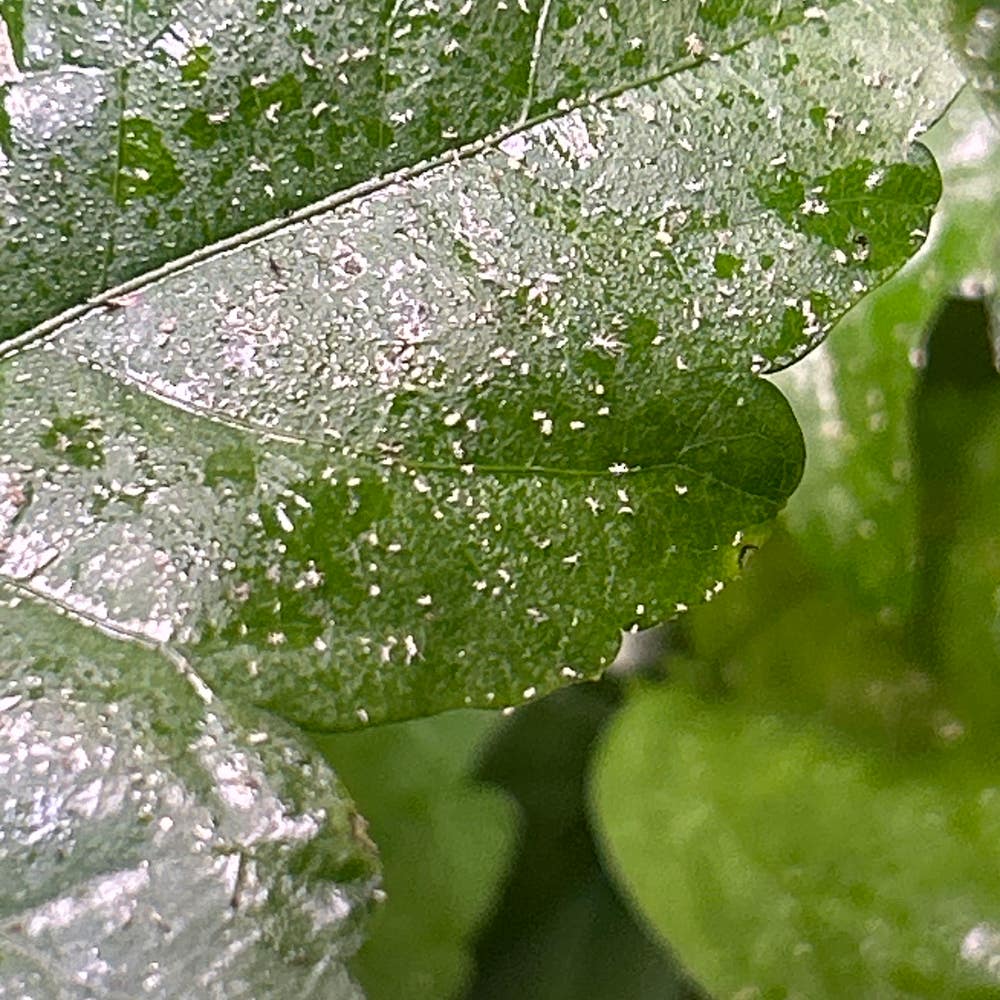
Spider mites create fine webbing and stippled leaves, indicating an infestation. Increasing humidity around the plant and using miticides can help eliminate these pests.
🌡️ Environmental Stress
Heat Stress
During peak sun hours, your Rose of Sharon may exhibit wilting due to heat stress. Providing afternoon shade can help mitigate this issue and keep your plant healthy.
Drought Stress
If you notice leaf droop and dry soil, your plant may be experiencing drought stress. Regular watering during dry spells is essential to maintain its vitality.
Understanding these causes is the first step in addressing droopy leaves effectively. Next, we’ll explore how to diagnose these issues accurately.
Diagnosing Droopy Leaves
👀 Visual Signs to Look For
When diagnosing droopy leaves on your Rose of Sharon, start by examining the leaf color. Yellowing or browning leaves can indicate various issues, from watering problems to nutrient deficiencies.
Next, assess the leaf texture. Crispy leaves suggest underwatering, while mushy leaves often point to overwatering. Both conditions can lead to droopiness.
💧 Assessing Soil Moisture
To check soil moisture, stick your finger 1-2 inches into the soil. If it feels dry, it’s time to water. This simple method helps prevent both overwatering and underwatering.
🐛 Checking for Pests and Diseases
Inspect the undersides of leaves and stems for pests. Look for signs like sticky residue or curled leaves, which may indicate aphid infestations.
Additionally, keep an eye out for fungal diseases. Discoloration or spots on leaves can signal a problem that needs addressing.
🌞 Evaluating Environmental Factors
Light
Rose of Sharon thrives in full sun to partial shade. If you notice stretching stems or pale leaves, your plant may not be getting enough light.
Temperature
The optimal temperature range for these plants is between 65°F and 85°F (18°C to 29°C). If your plant wilts during extreme heat or cold, it’s likely experiencing temperature stress.
Understanding these signs will help you diagnose droopy leaves effectively. By addressing the underlying issues, you can restore your Rose of Sharon to its vibrant self. Next, let’s explore practical solutions to revive those droopy leaves.
Solutions for Droopy Leaves
🌊 Adjusting Watering Practices
Determine Soil Moisture Level: Before watering, check the soil moisture. Stick your finger in the soil about 1-2 inches; if it feels dry, it’s time to water.
Water Deeply but Infrequently: Aim for deep watering sessions rather than frequent light sprinklings. This encourages robust root growth.
Use the Greg Plant Care App: Set reminders for watering schedules with the Greg app. It helps keep your plant care routine on track.
🌱 Fertilization Tips for Healthy Growth
Apply a Balanced Fertilizer: Start with a balanced fertilizer in early spring to give your Rose of Sharon a nutrient boost.
Follow Up with Potassium-Rich Fertilizer: Mid-season, switch to a potassium-rich fertilizer. This supports strong stems and vibrant foliage.
🐛 Pest Management Strategies
Regularly Inspect Plants: Keep an eye out for early signs of pests. Catching infestations early makes management much easier.
Use Organic Pest Control Methods: Opt for organic solutions like insecticidal soap or neem oil. They minimize harm to beneficial insects while tackling pests.
🌿 Improving Soil Drainage and Aeration
Amend Soil with Compost or Perlite: Enhance your soil's drainage and aeration by mixing in compost or perlite. This helps prevent root rot.
Consider Using Raised Beds: If drainage is a persistent issue, raised beds can be a game-changer. They allow excess water to escape more easily.
☀️ Providing Adequate Sunlight and Shade
Position Plants for Optimal Sunlight: Ensure your Rose of Sharon gets morning sun and afternoon shade, especially in hotter climates. This balance helps prevent heat stress.
Use Shade Cloth if Necessary: During peak heat, consider using shade cloth to protect your plants. It can make a significant difference in their health.
These solutions can help rejuvenate your Rose of Sharon, ensuring it thrives and flourishes. By adjusting your care routine, you’ll be well on your way to enjoying vibrant blooms and lush foliage.
Next, let’s explore preventative measures to keep your plants healthy year-round.
Preventative Measures
Regular Monitoring of Plant Health 🌱
Keeping an eye on your Rose of Sharon is essential. Check the leaves weekly for any signs of droop or pests, and assess soil moisture regularly to ensure optimal health.
Seasonal Care Tips 🌸
Spring
Spring is the perfect time to give your plant a boost. Fertilize and prune to encourage new growth, setting the stage for a vibrant season ahead.
Summer
As temperatures rise, so should your watering frequency. Increase watering during hot spells to keep your Rose of Sharon hydrated and thriving.
Proper Pruning Techniques ✂️
Pruning is key to maintaining a healthy plant. Remove dead or damaged branches to improve air circulation, and prune after flowering to keep the shape looking neat.
Mulching for Moisture Retention 🌿
Mulching is a simple yet effective strategy. Apply a 2-3 inch layer of organic mulch around the base to reduce evaporation and suppress weeds, helping your plant retain moisture.
Choosing the Right Planting Location 📍
Location matters when it comes to plant health. Select a site with well-drained soil and adequate sunlight, and avoid low-lying areas prone to water pooling to ensure your Rose of Sharon flourishes.
These preventative measures will help keep your Rose of Sharon healthy and vibrant, setting you up for success as you move on to diagnosing droopy leaves.
⚠️ Safety First
This content is for general information and may contain errors, omissions, or outdated details. It is not medical, veterinary advice, or an endorsement of therapeutic claims.
Always consult a qualified healthcare professional before using any plant as food, medicine, or supplement.
Never eat any plant (or feed one to pets) without confirming its identity with at least two trusted sources.
If you suspect poisoning, call Poison Control (800) 222-1222, the Pet Poison Helpline (800) 213-6680, or your local emergency service immediately.
Spotted an error? Please report it here.
Keep your Rose of Sharon perky and vibrant 🌼 by using Greg for tailored watering reminders and pest alerts that ensure your plant thrives!