Why Are My Korean Hibiscus Leaves Mushy?
Hibiscus syriacus
By the Greg Editorial Team
Jun 18, 2024•4 min read
This article was created with the help of AI so we can cover more plants for you. May contain errors. See one? Report it here.
Prevent mushy leaves and save your Korean Hibiscus 🌺 with these essential care tips!
- Overwatering? Yellow, mushy leaves signal too much water.
- Root rot woes? Remove affected roots, repot with well-draining soil.
- Fungal infections? Use compatible fungicide, improve hygiene.
When Overwatering Takes a Toll
🚱 Spotting Overwatering Symptoms
Yellowing leaves waving a white flag and mushy textures crying out in distress are classic signs of overwatering in your Korean Hibiscus. Don't be fooled by the wilting; it's not a thirst trap, but a sign of drowning roots.
Fine-Tuning Your Watering Routine
Adjusting your watering routine is like finding the sweet spot in a comfy chair—not too much, not too little. Cut back on the H2O and let the soil's mood swing from wet to moist. Remember, your plant's not on a water slide; it needs a balanced routine.
The Recovery Process
Caught in the act of overwatering? Time to go on a watering diet. Let the soil dry like a seasoned sunbather, and if you spot mold throwing a party, it's time to crash it with fungicide. If the soil feels like a swamp, give your plant a fresh start with a soil remix that's more desert chic.

Root Rot: The Hidden Culprit
🕵️ Recognizing Root Rot Signs
Root rot in Korean Hibiscus is like a stealthy ninja, attacking from below where you can't see it. Yellow leaves or a stem darker than your favorite espresso shot just above the soil? Bad news. If the leaves look more wilted than a salad forgotten in the sun, even when the soil's wet, you've got trouble. And if the roots are as mushy as overripe bananas, it's a clear SOS signal.
💪 Salvaging Your Plant from Root Rot
Caught early, root rot is like a bad haircut; with the right moves, you can grow out of it. Unpot your plant with the care of a bomb squad technician. Inspect the roots—if they're brown and squishy, it's time to channel your inner surgeon. Snip off the rotted parts with sterilized shears, like you're cutting away the bad parts of an otherwise perfect avocado. Repot in fresh, well-draining soil and resist the urge to water like you're filling a pool. Keep it light, keep it airy, and give your plant a chance to breathe.

Fungal Foes: Tackling Mushy Leaf Culprits
🍄 Identifying Fungal Infections
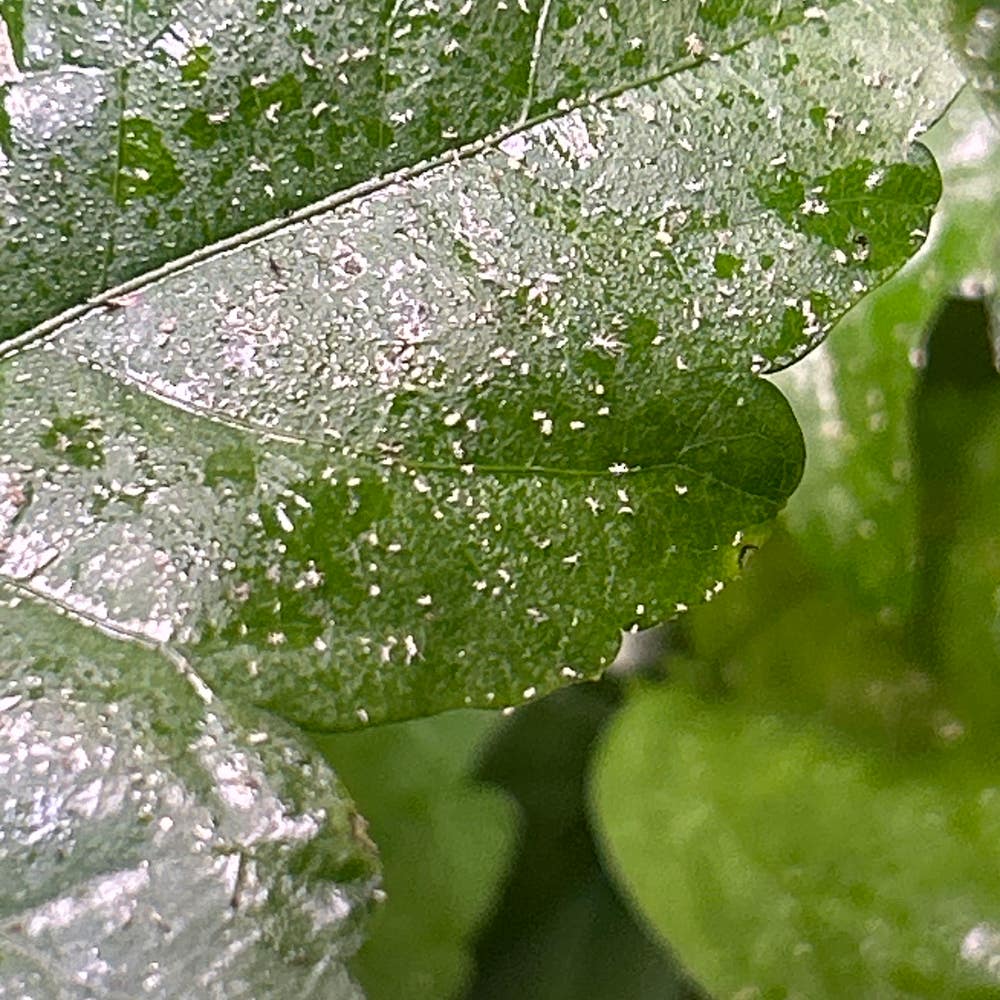
Fungal infections can turn the robust leaves of your Korean Hibiscus into a mushy mess. Powdery mildew appears as a ghostly white coating, while botrytis, also known as gray mold, presents as a fuzzy gray growth. These fungi love moisture and can quickly escalate from a small issue to a full-blown leaf crisis.
🦠 Fungicide to the Rescue
When you're up against fungal foes, reach for a fungicide. Copper-based fungicides are a common choice, but it's crucial to ensure compatibility with your Korean Hibiscus to avoid further damage. For organic gardeners, a baking soda and soap mixture might just do the trick. Remember, always sanitize your tools after pruning infected leaves to prevent the spread of spores.

Soil and Drainage: The Foundation of Healthy Leaves
🌱 Choosing the Right Soil Mix
Well-draining soil is essential for Korean Hibiscus. To create an ideal environment, mix in organic matter like coco coir, which helps retain just enough moisture without causing waterlogging. Additives like perlite or vermiculite increase aeration and drainage. A simple hack is to toss a handful of perlite into your regular potting soil to significantly improve drainage.
🚰 Improving Drainage Conditions
To prevent the dreaded swampy conditions, ensure your pot has drainage holes; they're as crucial as an exit sign in a fire drill. If you're dealing with dense, heavy soil, lighten it up with some peat moss or perlite. Think of these amendments as the bouncers at the club, keeping the water line moving smoothly. Regularly check the soil moisture with a simple finger test—moist is good, soggy is a red flag. Lastly, keep those drainage holes clear; a clogged hole can do as much damage as a blocked artery to your plant's health.
Pruning and Cleanliness: Keeping Disease at Bay
🌿 The Art of Pruning Mushy Leaves
Pruning isn't just a cosmetic fix—it's crucial for your Korean Hibiscus's health. To start, sanitize your shears with rubbing alcohol to prevent disease spread. Snip off mushy leaves at the stem, avoiding any healthy tissue. Disinfect your tools after each cut; think of it as a hygiene routine for your plant.
🧼 Hygiene Practices for Plant Health
Keeping your Korean Hibiscus clean is like giving it a shield against disease. Regularly remove fallen leaves and debris to thwart pests and pathogens. Wipe down the leaves with a damp cloth to keep them dust-free and shining. Post-pruning, stay vigilant for pests or disease signs—early detection means everything. Remember, water the soil, not the leaves, to avoid unwanted moisture that can lead to more mushiness.
⚠️ Safety First
This content is for general information and may contain errors, omissions, or outdated details. It is not medical, veterinary advice, or an endorsement of therapeutic claims.
Always consult a qualified healthcare professional before using any plant as food, medicine, or supplement.
Never eat any plant (or feed one to pets) without confirming its identity with at least two trusted sources.
If you suspect poisoning, call Poison Control (800) 222-1222, the Pet Poison Helpline (800) 213-6680, or your local emergency service immediately.
Spotted an error? Please report it here.
Avoid the mush and keep your Korean Hibiscus thriving 🌺 with Greg's custom watering reminders that ensure just the right amount of hydration!