🌹 Determining If Your Rose of Sharon Is Dying
Hibiscus syriacus
By the Greg Editorial Team
Sep 30, 2024•6 min read
This article was created with the help of AI so we can cover more plants for you. May contain errors. See one? Report it here.
Transform your Rose of Sharon 🌼 into a thriving beauty by mastering the signs of distress and proactive care!
- 🌿 Recognize signs of distress like wilting leaves and discoloration for timely intervention.
- 💧 Overwatering or underwatering leads to root rot or dry leaves; monitor soil moisture.
- 🐛 Pests and diseases like aphids and powdery mildew can severely impact your Rose of Sharon.
Signs of an Unhealthy Plant
Symptoms 🌱
Recognizing the signs of an unhealthy Rose of Sharon is essential for timely intervention. Look out for wilting or drooping leaves, which can indicate stress or inadequate care.
Discoloration is another red flag. Yellowing leaves or brown edges often signal nutrient deficiencies or environmental stress.
Stunted growth or a lack of flowering can also be concerning. If your plant isn’t producing blooms, it may be struggling to thrive.
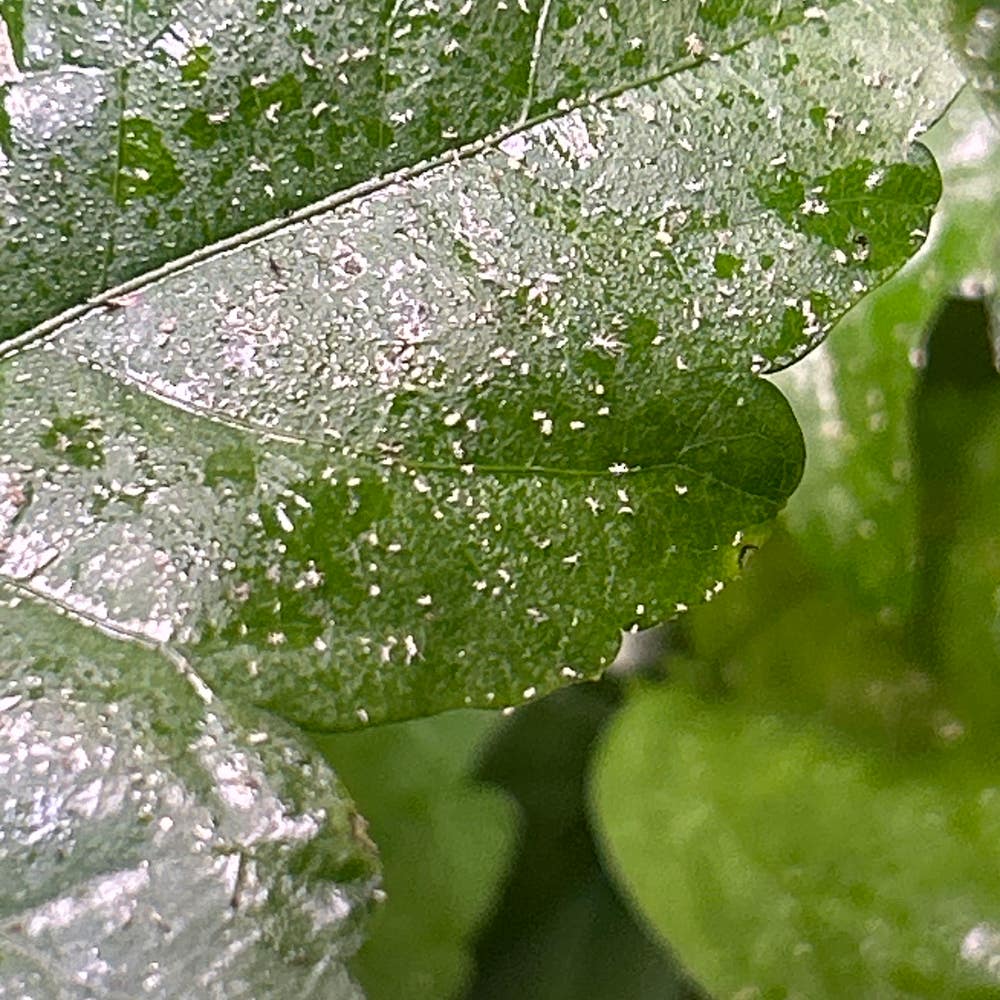
Lastly, keep an eye out for pests or fungal growth. Their presence can severely impact your plant's health and should be addressed immediately.
By being vigilant about these symptoms, you can take proactive steps to revive your Rose of Sharon and ensure it flourishes.
Common Problems Specific to Rose of Sharon
💧 Incorrect Watering
Identifying Issues
Overwatering can lead to yellowing leaves, wilting, and even root rot. Conversely, underwatered plants display dry, crispy leaves and droop noticeably.
Causes
The primary culprits for watering issues are poor drainage or compacted soil. Additionally, inconsistent watering schedules can exacerbate these problems.
Solutions
- Check soil moisture: Use a moisture meter or simply test with your finger.
- For overwatered plants:
- Improve drainage by repotting in well-draining soil.
- Allow the soil to dry out before watering again.
- For underwatered plants:
- Water thoroughly until moisture reaches the root zone.
- Establish a consistent watering schedule using the Greg plant care app.
🌞 Incorrect Light Conditions
Symptoms
Insufficient light results in leggy growth, fewer flowers, and pale leaves. On the flip side, excessive light can scorch leaves, cause leaf drop, and fade colors.
Causes
Placement in too shady or too sunny areas often leads to these issues. Seasonal changes can also affect light availability.
Solutions
Relocate the plant to a spot with full sun (6-8 hours) or partial shade as needed. For indoor plants, using sheer curtains can help diffuse harsh sunlight.
🌡️ Incorrect Temperature
Signs of Stress
Watch for wilting or drooping leaves, as well as leaf drop or discoloration. These signs often indicate temperature stress.
Causes
Exposure to extreme heat or cold, along with sudden temperature fluctuations, can be detrimental.
Solutions
Move plants indoors during extreme weather conditions. Additionally, using mulch can help regulate soil temperature and retain moisture.
🐞 Pests
Common Pests
Aphids, spider mites, and whiteflies are frequent offenders.
Identifying Infestations
Look for visible insects on leaves or stems, sticky residue or honeydew, and distorted or curled leaves.
Treatment Options
- Manual removal: Wipe leaves with a damp cloth.
- Insecticidal soap or neem oil: Apply as needed.
- Introduce beneficial insects: Ladybugs can help control pest populations.
🦠 Diseases
Common Diseases
Watch out for powdery mildew, rust, black rot, and blight.
Symptoms
- Powdery mildew: White, powdery spots on leaves.
- Rust: Orange or brown spots on leaves.
- Black rot: Dark, sunken lesions on stems and leaves.
- Blight: Rapid wilting and browning of leaves.
Causes and Treatments
Ensure good air circulation and avoid overhead watering. Apply appropriate fungicides for specific diseases and remove infected plant parts promptly.
🌱 Root Problems
Identifying Issues
If your plant wilts despite adequate watering, or if there's a foul odor from the soil, it’s time to investigate. Soft, mushy roots upon inspection are also a red flag.
Causes
Overwatering and poor drainage are the main issues, along with compacted soil that prevents root aeration.
Solutions
- Remove the plant from the pot and inspect the roots.
- Trim away any rotten roots and repot in fresh, well-draining soil.
- Adjust watering practices to prevent recurrence.
🍃 Leaf Issues
Symptoms
Look for scorching, which manifests as brown edges or tips on leaves. Yellowing indicates overall leaf discoloration, while fuzzy growth suggests fungal issues.
Causes
Environmental stressors like light, temperature, and humidity can contribute, as can nutrient deficiencies or excesses.
Solutions
Adjust watering and light conditions as needed. Fertilizing with a balanced fertilizer can help address nutrient deficiencies.
🌼 Growth Problems
Identifying Issues
Signs of growth problems include stunted growth, lack of new shoots, and absence of flowers or seed pods. Leaning or leggy growth is also a concern.
Causes
Inadequate light, poor soil quality, or nutrient imbalances can hinder growth. Pests or diseases may also play a role.
Solutions
Ensure proper light exposure and soil conditions. Pruning back leggy growth can encourage bushier, healthier plants.
Recognizing these common problems early can make a significant difference in the health of your Rose of Sharon. With the right care and attention, you can nurture a thriving plant that brings beauty to your garden. Next, let’s explore preventive measures to keep your Rose of Sharon healthy and vibrant.
Preventive Measures
Best Practices 🌱
To keep your Rose of Sharon thriving, regularly check the soil moisture. Adjust your watering schedule based on the plant's needs to avoid over or underwatering.
Stay vigilant for pests and diseases, especially during humid seasons. Early detection can save your plant from serious damage.
Fertilizing appropriately is key to maintaining a nutrient balance. Use a balanced fertilizer to support healthy growth throughout the year.
Seasonal Considerations 🌸
Pruning in late winter is essential for promoting healthy growth in spring. This practice encourages new shoots and a bushier appearance.
In summer, apply mulch to retain moisture and regulate soil temperature. This simple step can make a significant difference in your plant's health during hot months.
By implementing these preventive measures, you can ensure your Rose of Sharon remains vibrant and resilient. With a little care and attention, your plant will flourish, setting the stage for the next section on the importance of early detection and treatment.
Importance of Early Detection and Treatment
Recognizing symptoms early is crucial for the health of your Rose of Sharon. The sooner you identify issues, the better your chances of reviving your plant and ensuring it thrives.
🌱 Monitoring Plant Health
Utilizing tools like the Greg plant care app can make a significant difference. This app helps you track watering schedules, monitor light conditions, and receive reminders for essential care tasks.
🛡️ Proactive Care
Being proactive in your plant care routine can prevent many common problems. Regular checks for pests, diseases, and environmental stressors will keep your Rose of Sharon healthy and vibrant.
📜 Conclusion
By staying vigilant and using helpful resources, you can nurture your plant effectively. This approach not only enhances your gardening experience but also fosters a deeper connection with your Rose of Sharon.
Next, let’s explore some best practices for preventive measures to keep your plant flourishing.
⚠️ Safety First
This content is for general information and may contain errors, omissions, or outdated details. It is not medical, veterinary advice, or an endorsement of therapeutic claims.
Always consult a qualified healthcare professional before using any plant as food, medicine, or supplement.
Never eat any plant (or feed one to pets) without confirming its identity with at least two trusted sources.
If you suspect poisoning, call Poison Control (800) 222-1222, the Pet Poison Helpline (800) 213-6680, or your local emergency service immediately.
Spotted an error? Please report it here.
Keep your Rose of Sharon thriving 🌱 by using Greg's tailored care reminders to tackle nutrient deficiencies and pests before they become a problem!