🌹 How to Fix Leaves Falling Over on Your Rose of Sharon
Hibiscus syriacus
By the Greg Editorial Team
Sep 30, 2024•5 min read
This article was created with the help of AI so we can cover more plants for you. May contain errors. See one? Report it here.
Revive your Rose of Sharon 🌹 and prevent leaf drop with these essential care tips for vibrant growth!
- 💧 Proper watering is crucial; avoid overwatering and underwatering your Rose of Sharon.
- 🌱 Nutrient deficiencies can cause leaf issues; conduct soil tests for balanced nutrition.
- 🐞 Monitor for pests like aphids; use organic methods for effective control.
Diagnosing the Problem
🌊 Assessing Watering Practices
Watering is crucial for your Rose of Sharon's health. Start by evaluating how often you water; too much or too little can lead to problems.
Check the soil moisture using a moisture meter or your finger. If the top 1-2 inches are dry, it’s time to water.
Be on the lookout for signs of overwatering, such as yellowing leaves and mushy stems. Conversely, dry, brittle leaves and soil pulling away from the edges indicate underwatering.
🥦 Identifying Nutrient Deficiencies
Nutrient deficiencies can also cause leaves to fall. For instance, nitrogen deficiency often shows as yellowing of older leaves.
Phosphorus deficiency presents as dark green leaves with purple edges, while potassium deficiency leads to leaf tip burn and browning. Conducting a soil test can help identify these nutrient levels.
🐛 Checking for Pests and Diseases
Pests and diseases can wreak havoc on your Rose of Sharon. Common pests include aphids, which are small green insects found on new growth.
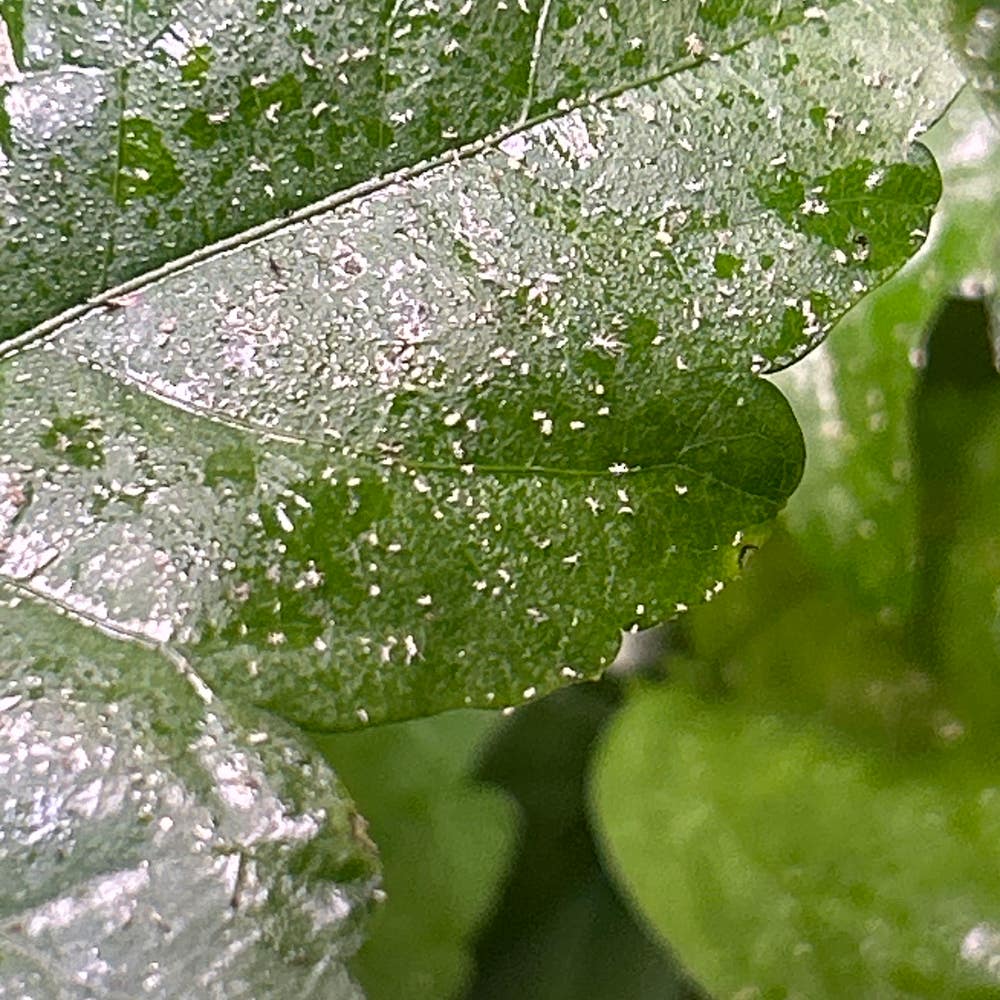
Spider mites leave fine webbing and stippled leaves, while whiteflies are tiny white insects lurking on leaf undersides. Additionally, watch for signs of disease, such as fungal infections, leaf spots, or wilting.
Understanding these issues is the first step toward a healthier plant. Next, we’ll explore solutions to alleviate leaf drop and restore your Rose of Sharon's vitality.
Solutions for Alleviating Leaf Drop
🌊 Adjusting Watering Techniques
Establishing a consistent watering schedule is crucial. Water your Rose of Sharon deeply but infrequently to encourage strong root growth.
Before watering, always check the soil moisture. Ensure the top 1-2 inches are dry to avoid overwatering.
Using well-draining pots or amending your garden soil can significantly improve drainage. This helps prevent waterlogging, which can lead to root rot.
🌱 Fertilizing for Optimal Health
For optimal growth, use balanced NPK fertilizers, such as a 10-10-10 mix. These provide essential nutrients that your plant needs to thrive.
Apply fertilizer during the growing season, specifically from spring to early summer. This timing ensures your Rose of Sharon gets the nutrients it requires when it’s most active.
Be mindful of over-fertilization, which can lead to leaf burn and salt buildup in the soil. Regularly inspect your plant for these signs to maintain its health.
🐞 Pest Control Methods
Implementing organic pest control options like neem oil or insecticidal soap can be effective. These methods are gentle on your plant while targeting harmful pests.
Regular monitoring is key. Inspect your plants weekly for early signs of infestation, allowing you to address issues before they escalate.
Consider introducing beneficial insects, such as ladybugs and lacewings. These natural predators can help keep pest populations in check without harming your Rose of Sharon.
By adjusting your watering techniques, fertilizing appropriately, and controlling pests, you can significantly reduce leaf drop. These solutions will help your plant flourish and maintain its vibrant beauty.
Next, let’s explore some preventative measures to ensure your Rose of Sharon stays healthy year-round.
Preventative Measures
Best Practices for Rose of Sharon Care 🌹
Caring for your Rose of Sharon involves a few key practices. First, ensure consistent moisture without waterlogging the roots.
Regular fertilization during the growing season is crucial. A balanced approach will keep your plant thriving and vibrant.
Mulching is another essential practice. Using organic mulch helps retain moisture and regulates soil temperature, creating a stable environment for growth.
Seasonal Considerations for Leaf Health 🌱
Spring is the perfect time to monitor for pests and begin fertilization. Early intervention can prevent issues down the line.
During summer, ensure your Rose of Sharon receives adequate watering, especially during heat waves. This will keep the plant hydrated and healthy.
As fall approaches, prepare your plant for dormancy. Proper pruning and care during this season set the stage for a robust comeback in spring.
These preventative measures will help maintain the health of your Rose of Sharon, ensuring it flourishes year after year. Next, let’s explore effective pruning and maintenance techniques to further enhance your plant’s vitality.
Pruning and Maintenance
Proper Pruning Techniques to Promote Health 🌿
Pruning your Rose of Sharon is essential for its health and vitality. The best time to prune is in late winter or early spring, just before new growth begins.
To enhance airflow and reduce disease risk, remove any dead or crossing branches. This simple technique can make a significant difference in the plant's overall health.
Always use clean, sharp pruning shears for the best results. Clean cuts help prevent damage and promote quicker healing.
Timing for Pruning to Prevent Stress ⏰
Timing is crucial when it comes to pruning. Avoid heavy pruning during the peak growing season, as this can stress the plant and lead to unwanted leaf drop.
Instead, focus on light pruning throughout the growing season. Removing spent flowers and dead leaves encourages new growth and keeps your Rose of Sharon looking its best.
By following these pruning and maintenance tips, you can ensure your plant remains healthy and vibrant. Next, let's explore some preventative measures to keep your Rose of Sharon thriving year-round.
⚠️ Safety First
This content is for general information and may contain errors, omissions, or outdated details. It is not medical, veterinary advice, or an endorsement of therapeutic claims.
Always consult a qualified healthcare professional before using any plant as food, medicine, or supplement.
Never eat any plant (or feed one to pets) without confirming its identity with at least two trusted sources.
If you suspect poisoning, call Poison Control (800) 222-1222, the Pet Poison Helpline (800) 213-6680, or your local emergency service immediately.
Spotted an error? Please report it here.
Keep your Rose of Sharon thriving 🌼 with Greg's tailored watering alerts and pest control tips, ensuring you address any issues before they become problems!