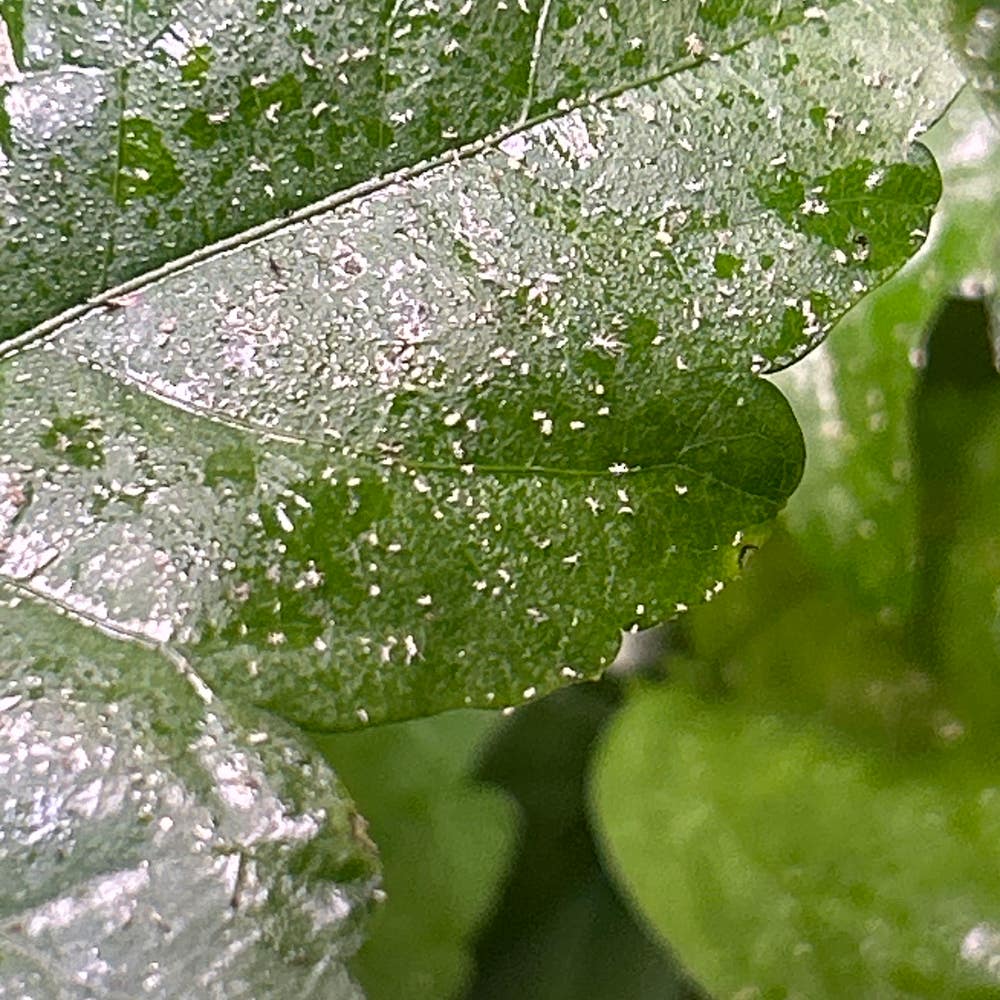
Why Are My Korean Hibiscus Leaves Falling Over?
Hibiscus syriacus
By the Greg Editorial Team
Jun 18, 2024•3 min read
This article was created with the help of AI so we can cover more plants for you. May contain errors. See one? Report it here.
Stop your Hibiscus's droopy leaves 🍂 with our fail-proof plant care secrets!
- Water wisely: Over/underwatering leads to droopy leaves. Check soil moisture.
- Stable environment: Protect from extreme temps and provide bright, indirect light.
- Nutrient balance: Use balanced fertilizer to prevent deficiencies and leaf damage.
Pinpointing the Culprits
💧 Water Woes: Overwatering vs. Underwatering
Overwatering turns roots into mushy hostages, while underwatering leaves them gasping for a drink. Look for limp, lifeless leaves or soil that's more swamp than sanctuary to spot overindulgence. Conversely, leaves curling up tighter than a miser's fist scream for hydration. The balancing act? Water when the top inch of soil feels like a dry martini, not a wet mop.
🌡️ Environmental Stress Factors
Temperature and light are like the in-laws of plant stress; they're always around, and you've got to keep them happy. Avoid the extremes—no plant saunas or ice baths. Aim for a steady climate, as if you're babysitting a Goldilocks' terrarium. And for light, think bright but indirect, like a cloudy day in paradise.
🍽️ The Silent Saboteur: Nutrient Deficiency
Nitrogen and potassium shortages turn leaves into pale wallflowers or crispy critters at the leaf tips. It's a silent scream for help. Don't just shower them with any old fertilizer; it's like feeding them junk food. Get a soil test, play plant detective, and serve up a balanced diet tailored to their needs.

Immediate Relief for Droopy Leaves
💧 Adjusting Your Watering Technique
Check the soil before you water. If the top inch is dry, your hibiscus is thirsty. Use room-temperature water to avoid shocking the roots. If the soil feels like a damp sponge, wait before adding more water. Overwatering can lead to root rot, so balance is essential.
🌡️ Creating a Comfort Zone
Move your plant away from extreme temperatures and drafts. Hibiscus prefers a stable environment. If it's too hot and humid, consider increasing air circulation with a fan or moving the plant to a cooler spot. Bright, indirect light is ideal to prevent leaf scorch.
🍽️ Nutrient Boost: Fertilization Fixes
Use a balanced fertilizer to address nutrient deficiencies. Observe your plant's reaction after feeding; if the leaves perk up, you're on the right track. However, too much fertilizer can harm, so follow the recommended frequency and quantity.

Ongoing Care to Keep Leaves Perky
🕵️ Routine Checks and Balances
Establishing a care routine is like setting up a regular coffee date with your plant; it's essential for catching those early signs of droopiness. Inspect your Korean Hibiscus regularly, looking for subtle changes in leaf posture or color. This isn't just about ticking a box; it's about forming a bond with your green buddy.
🌱 Soil and Root Vigilance
The soil is the foundation of your plant's well-being. Ensure it's well-draining and rich in organic matter to keep those roots happy and healthy. Think of the soil as your plant's diet; it needs to be balanced and nutritious. Occasionally aerate the soil to prevent it from becoming as compact as a crowded subway car during rush hour.

⚠️ Safety First
This content is for general information and may contain errors, omissions, or outdated details. It is not medical, veterinary advice, or an endorsement of therapeutic claims.
Always consult a qualified healthcare professional before using any plant as food, medicine, or supplement.
Never eat any plant (or feed one to pets) without confirming its identity with at least two trusted sources.
If you suspect poisoning, call Poison Control (800) 222-1222, the Pet Poison Helpline (800) 213-6680, or your local emergency service immediately.
Spotted an error? Please report it here.
Keep your Korean Hibiscus leaves perky and proud 🌺 with Greg's custom reminders for watering, light, and fertilizing, tailored to your plant's needs.