🌹 How to Cure Black Spots on Your Rose of Sharon
Hibiscus syriacus
By the Greg Editorial Team
Sep 30, 2024•5 min read
This article was created with the help of AI so we can cover more plants for you. May contain errors. See one? Report it here.
Revive your Rose of Sharon 🌹 by quickly diagnosing and treating pesky black spots for a vibrant garden!
- 🌱 Black spots on Rose of Sharon are mainly caused by fungal diseases.
- 💧 Overwatering and poor drainage worsen black spots; adjust watering techniques.
- 🛠️ Organic treatments like neem oil effectively combat black spots on your plants.
Diagnosing Black Spots
🦠 Causes of Black Spots
Black spots on your Rose of Sharon can often be traced back to a few common culprits. Fungal diseases, particularly black spot fungus and other leaf spot pathogens, are frequent offenders.
Environmental stress also plays a significant role. Overwatering, poor air circulation, and high humidity can exacerbate these issues, making your plant more vulnerable.
Soil drainage is another critical factor. Poorly drained soils can lead to root rot, which increases susceptibility to fungal infections.
🔍 Symptoms and Identification
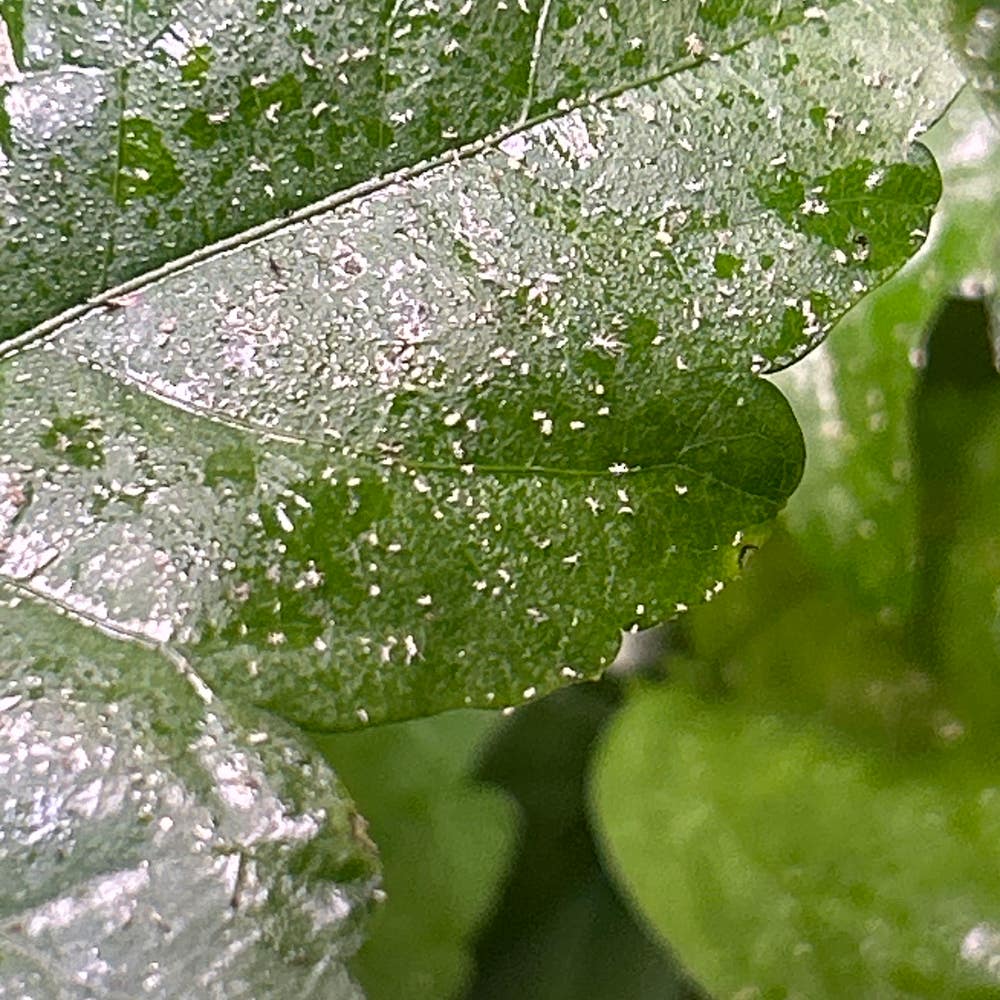
Identifying black spots is essential for effective treatment. Look for visual signs such as black spots on leaves, often accompanied by yellow halos.
Leaf drop is another symptom to watch for; affected leaves may wilt and fall prematurely.
Additionally, you might notice stunted growth and reduced flowering due to the stress on the plant.
Understanding these symptoms can help you act quickly to restore your Rose of Sharon's health.
With a clear diagnosis, you can move forward to explore effective treatment options.
Treatment Options
🌱 Organic Fungicides and Their Application
Organic fungicides are a great first line of defense against black spots on your Rose of Sharon. Common options include neem oil, sulfur, and copper-based products, each effective in combating fungal infections.
To apply these fungicides, spray the affected areas every 7-14 days until you notice improvement. Timing is crucial; aim to apply during the cooler parts of the day to prevent leaf burn from the sun.
⚗️ Chemical Fungicides: When and How to Use
In severe cases where organic treatments fall short, chemical fungicides may be necessary. It's essential to identify when the situation has escalated to this point, as these treatments can be more potent.
Always follow the manufacturer’s instructions for dosage and frequency when using chemical fungicides. Remember to wear gloves and a mask during application to protect yourself from inhalation.
🏡 Home Remedies for Black Spots
If you prefer a more DIY approach, several home remedies can help tackle black spots effectively. One popular method is a baking soda solution; simply mix 1 tablespoon of baking soda with 1 gallon of water and spray it on the affected leaves.
Another effective remedy is a milk spray, made by mixing 1 part milk with 2 parts water to inhibit fungal growth. For an extra punch, blend garlic cloves with water, strain the mixture, and spray it on the leaves to deter fungal spores.
With these treatment options, you can effectively combat black spots and keep your Rose of Sharon thriving. Next, let’s explore preventive measures to ensure your plant stays healthy and vibrant.
Preventive Measures
Proper Watering Techniques 🌊
Watering your Rose of Sharon correctly is crucial for preventing black spots. Aim to water deeply but infrequently, encouraging deep root growth.
Avoid overhead watering to keep leaves dry. Instead, water at the base to minimize leaf wetness and reduce the risk of fungal infections.
Soil Health and Drainage 🌱
Healthy soil is the foundation of a thriving plant. Use well-draining soil enriched with organic matter to improve drainage and prevent waterlogging.
After watering, check that water doesn’t pool around the roots. This simple test can help you avoid root rot and other moisture-related issues.
Pruning and Maintenance Practices ✂️
Regular pruning is essential for maintaining air circulation. Remove any dead or diseased branches to promote better airflow around your plant.
Don't forget to clean your tools! Disinfecting pruning shears can prevent the spread of diseases, keeping your Rose of Sharon healthy.
Choosing Resistant Varieties 🌼
Selecting the right cultivars can make a significant difference. Opt for varieties known for their disease resistance to minimize the risk of black spots.
Consult local nurseries for recommendations on region-specific resistant varieties. This can help you choose plants that thrive in your specific climate and conditions.
By implementing these preventive measures, you can significantly reduce the likelihood of black spots on your Rose of Sharon. Next, let’s explore seasonal care tips to keep your plant flourishing throughout the year.
Seasonal Considerations
🌹 Seasonal Care Tips for Rose of Sharon
Spring is the perfect time to inspect your Rose of Sharon for early signs of black spots. If you notice any, applying preventive fungicides can help keep your plant healthy.
In summer, humidity levels can rise, so it's crucial to monitor them closely. Adjust your watering schedule to prevent excess moisture that could lead to fungal issues.
In the fall, make it a habit to clean up fallen leaves. This simple step can significantly reduce fungal spores that might linger over the winter.
🕵️♂️ Monitoring for Black Spots During Different Growth Stages
During the early growth phase, keep an eye out for black spots as new leaves emerge. Early detection is key to preventing further spread.
When your Rose of Sharon reaches the flowering stage, ensure the blooms remain unaffected. Healthy flowers contribute to the overall beauty of your garden.
☁️ Adjusting Care Based on Weather Conditions
In humid conditions, enhancing air circulation around your plants is essential. Reducing watering frequency can also help mitigate the risk of fungal infections.
Conversely, during drought conditions, consistent watering is vital. This helps prevent stress-related issues that could make your plant more susceptible to diseases.
By staying vigilant and adjusting your care routine based on seasonal changes, you can keep your Rose of Sharon thriving and beautiful. Next, let’s explore preventive measures to ensure your plant remains healthy year-round.
⚠️ Safety First
This content is for general information and may contain errors, omissions, or outdated details. It is not medical, veterinary advice, or an endorsement of therapeutic claims.
Always consult a qualified healthcare professional before using any plant as food, medicine, or supplement.
Never eat any plant (or feed one to pets) without confirming its identity with at least two trusted sources.
If you suspect poisoning, call Poison Control (800) 222-1222, the Pet Poison Helpline (800) 213-6680, or your local emergency service immediately.
Spotted an error? Please report it here.
Keep your Rose of Sharon thriving and beautiful 🌼 with Greg's personalized care tips and watering reminders that help you tackle black spots before they spread!