5 Tips for Healing Dropping Leaves on Your Rose of Sharon 🌹
Hibiscus syriacus
By the Greg Editorial Team
Sep 30, 2024•5 min read
This article was created with the help of AI so we can cover more plants for you. May contain errors. See one? Report it here.
Stop leaf drop in your Rose of Sharon 🌿 with essential care tips for vibrant, healthy growth!
- 🌡️ Maintain temperatures between 60°F to 80°F to prevent leaf drop.
- 💧 Humidity levels of 40-60% are crucial for your Rose of Sharon's health.
- 🐛 Regularly inspect for pests and diseases to catch issues early and protect leaves.
Causes of Leaf Drop
🌡️ Environmental Stress Factors
Temperature extremes can wreak havoc on your Rose of Sharon. High temperatures above 90°F (32°C) can stress the plant, while low temperatures below 32°F (0°C) can cause serious damage.
Humidity levels also play a crucial role. Low humidity can lead to dehydration and subsequent leaf drop, whereas high humidity may foster fungal diseases that further compromise plant health.
🐜 Pests Affecting Leaf Health
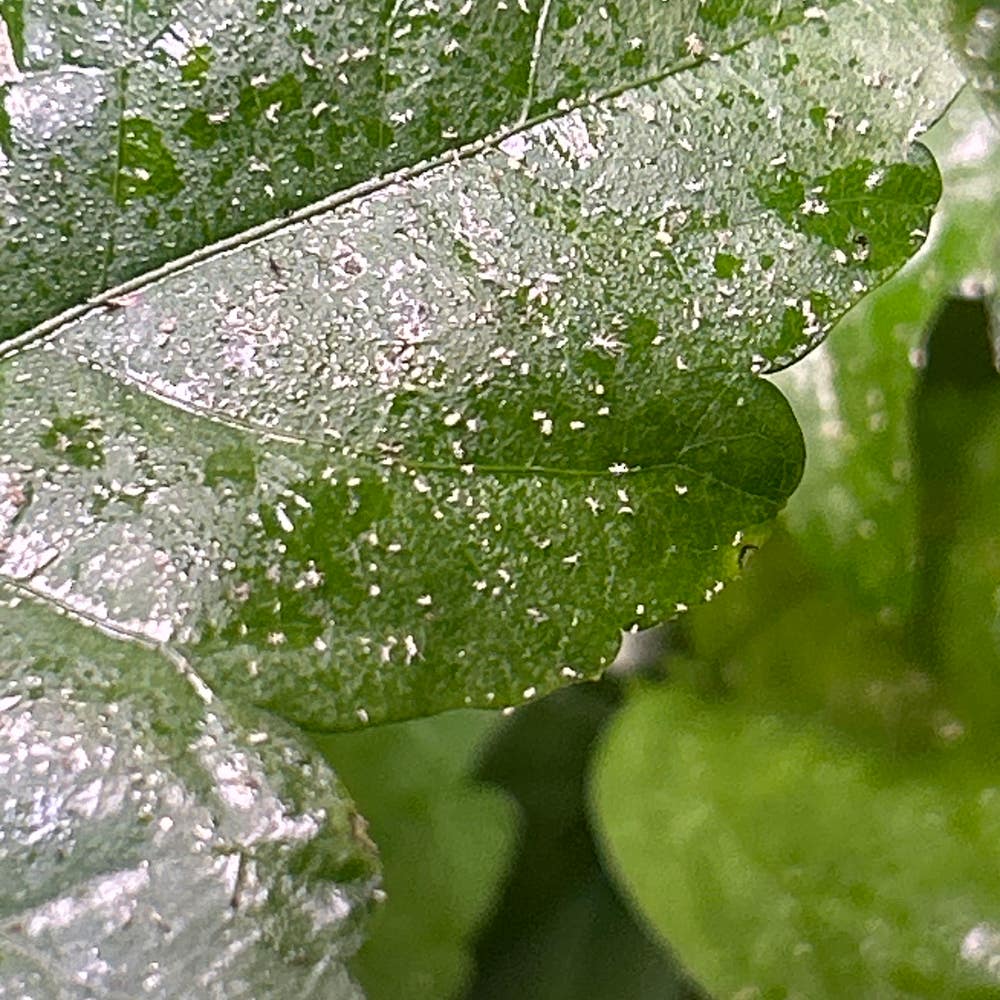
Common pests like aphids and spider mites can significantly impact leaf health. Aphids are small, green insects that suck sap from leaves, while spider mites are tiny, web-spinning pests that create stippling on foliage.
Signs of infestation include yellowing leaves, curled edges, or visible webs. If you notice these symptoms, it’s time to take action.
🦠 Diseases Leading to Leaf Drop
Fungal infections are another major culprit behind leaf drop. Common diseases such as powdery mildew and leaf spot can manifest as discolored spots on leaves, wilting, and premature leaf drop.
Addressing these diseases promptly is essential to prevent further damage to your plant.
🥦 Nutrient Deficiencies
Nutrient deficiencies can also lead to leaf drop. Nitrogen is essential for leaf growth, and a deficiency can cause yellowing leaves.
Potassium is vital for overall plant health; its deficiency can result in leaf drop. Symptoms of nutrient deficiencies include stunted growth and poor flowering.
💧 Overwatering and Underwatering Issues
Overwatering is a common issue that can lead to wilting, yellowing leaves, and even root rot. To prevent this, ensure your soil is well-drained and adopt proper watering techniques.
On the flip side, underwatering can cause dry, crispy leaves and lead to leaf drop. Regularly checking soil moisture levels can help you maintain the right balance.
Understanding these causes is the first step in addressing leaf drop effectively. Next, we’ll explore how to diagnose the specific issues affecting your Rose of Sharon.
Diagnosing Leaf Drop
🌿 Identifying Symptoms of Leaf Drop
Recognizing the signs of leaf drop is crucial for timely intervention. Look for visual cues like yellowing leaves, curling edges, or premature dropping.
Additionally, inspect for pests or fungal growth, as these can significantly impact your plant's health.
🌡️ Assessing Environmental Conditions
Environmental factors play a vital role in plant vitality. Check the temperature; the ideal range for your Rose of Sharon is between 60°F to 80°F (15°C to 27°C).
Humidity is equally important; aim for moderate levels between 40-60% to keep your plant thriving.
🐛 Checking for Pests and Diseases
Regular inspections can save your plant from severe damage. Examine leaves and stems for any signs of pests, such as discoloration or webbing.
Don't forget to check the soil and plant surface for fungal growth, which can indicate underlying issues.
🧪 Soil Testing for Nutrient Levels
Soil health is foundational for your plant's well-being. Conduct soil tests to assess nitrogen and potassium levels, as deficiencies can lead to leaf drop.
Based on the results, adjust your soil amendments to ensure your Rose of Sharon gets the nutrients it needs.
💧 Observing Watering Practices
Watering practices can make or break your plant's health. Evaluate how often you water; consistent moisture is key, but avoid waterlogging.
Using a moisture meter can provide accurate readings, helping you maintain the right balance for your plant.
By diagnosing these aspects, you can effectively address the leaf drop issue and set your Rose of Sharon on the path to recovery. Next, let’s explore treatment options to restore its health.
Treating Leaf Drop
🐞 Step-by-Step Guide to Pest Control
Identifying the pest type is your first step. Common culprits like aphids or spider mites require specific treatments.
Next, choose an appropriate treatment, such as insecticidal soap for aphids. Always apply treatments according to the label instructions for safety and effectiveness.
🦠 Treatment Options for Diseases
Fungal infections can wreak havoc on your Rose of Sharon. Use fungicides specifically designed for powdery mildew and leaf spot to combat these issues.
Additionally, ensure proper air circulation around your plants. This simple step can significantly reduce the chances of fungal recurrence.
💧 Adjusting Watering Practices
Watering practices play a crucial role in plant health. Increase watering frequency during dry spells to keep your Rose of Sharon hydrated.
Conversely, if you suspect overwatering, reduce the frequency. Always check the soil moisture to find the right balance.
🌱 Nutrient Supplementation Methods
Nutrient deficiencies can contribute to leaf drop. Consider applying liquid fertilizers for quick nutrient uptake, especially nitrogen and potassium.
Follow up with soil amendments as needed to maintain healthy nutrient levels. This will support robust growth and flowering.
🌈 Recovery Strategies for Stressed Plants
Monitoring recovery signs is essential after treatment. Look for new leaf growth and improved color, which indicate that your plant is bouncing back.
Adjust care practices based on how your plant responds. Tailoring your approach will help ensure a successful recovery.
As you implement these treatments, remember that patience is key. Your Rose of Sharon will thrive with the right care and attention, setting the stage for a healthy, vibrant plant.
Monitoring Plant Health
Regular Inspection Routines 🌿
Establishing a routine for inspecting your Rose of Sharon is crucial. Aim to check your plants weekly for any signs of stress or pest activity.
Documenting changes in leaf health can help you track progress and identify issues early. This proactive approach ensures your plant remains vibrant and healthy.
Signs of Recovery After Treatment 🌱
After implementing treatment, look for indicators of health. New leaf growth and vibrant color are positive signs that your plant is bouncing back.
Additionally, a noticeable reduction in leaf drop and pest activity suggests that your interventions are effective. Celebrate these small victories!
Long-Term Care Strategies to Prevent Recurrence 🛠️
To maintain your plant's health, establish a consistent care routine. Regular watering, fertilization, and pruning are essential practices.
Don't forget to adjust your care based on seasonal changes. This adaptability will help prevent future issues and keep your Rose of Sharon thriving.
By monitoring your plant's health and making necessary adjustments, you can enjoy a flourishing garden year-round. Now, let’s explore how to treat leaf drop effectively!
⚠️ Safety First
This content is for general information and may contain errors, omissions, or outdated details. It is not medical, veterinary advice, or an endorsement of therapeutic claims.
Always consult a qualified healthcare professional before using any plant as food, medicine, or supplement.
Never eat any plant (or feed one to pets) without confirming its identity with at least two trusted sources.
If you suspect poisoning, call Poison Control (800) 222-1222, the Pet Poison Helpline (800) 213-6680, or your local emergency service immediately.
Spotted an error? Please report it here.
Revive your Rose of Sharon and watch it flourish 🌱 by using Greg's tailored reminders for temperature, humidity, and pest control to keep your plant thriving!