Why Is My Korean Hibiscus Not Doing Well?
Hibiscus syriacus
By the Greg Editorial Team
Jun 18, 2024•5 min read
This article was created with the help of AI so we can cover more plants for you. May contain errors. See one? Report it here.
Nurture your Korean Hibiscus back to vibrant health 🌺 by correcting these essential care errors!
- 🌺 Yellow or crispy leaves? Check watering habits for your Korean Hibiscus.
- ☀️🌡️ Keep between 60-85°F and avoid direct sun to prevent temperature stress.
- 🐛 Combat pests and mold with insecticidal soap and good airflow.
When Water Works Against You
💧 Spotting the Signs of Water Woes
Yellow leaves and a wilted appearance can mislead you into thinking your Korean Hibiscus is parched, but if the soil is soggy, you're drowning it. Root rot rears its ugly head with a stench and mushy, discolored roots. On the flip side, a pot that feels too light and leaves that are dry and crispy are crying out for hydration.
💦 Fine-Tuning Your Watering Routine
To hit the moisture Goldilocks zone, let the soil dry out between waterings. When it clings slightly to your finger, it's time to quench your plant's thirst. Water during the daylight hours to let excess moisture evaporate, avoiding the swampy conditions that invite root rot. Remember, overwatering is just as harmful as underwatering—observe and adjust, don't just stick to a schedule.

Light and Shade: The Balancing Act
🍃 Reading the Leaves for Light Issues
Korean Hibiscus tells its light tales through its leaves. Yellowing or crisping? It's likely pleading for respite from too much sun. Conversely, leggy growth or a lackluster color palette may signal a craving for more rays.
🌟 Lighting the Way to Health
Finding the optimal light for your Korean Hibiscus isn't rocket science, but it does require attention. Indoors, a spot less than a foot from a window usually hits the mark. Outdoors, aim for a location with morning sun and afternoon shade, or use the dappled shelter of trees to protect against the midday glare. Remember, balance is the key to a thriving hibiscus.

Temperature Tantrums: Keeping Your Hibiscus Happy
🌡️ Detecting Discomfort in Your Plant
Korean Hibiscus plants are temperature-sensitive. They prefer a cozy range, much like your favorite sweater. Below 50°F spells trouble, causing leaves to protest with a yellow hue or, worse, a frostbitten black. Too hot, and they'll wilt or curl, like a bad hair day.
🌞 Stabilizing the Surroundings
60-85°F (15-29°C) is the sweet spot for these tropical treasures. To avoid turning your hibiscus into a drama queen, keep indoor temperatures steady. No drafts, no sudden temperature spikes. Think of yourself as the plant's personal thermostat. If you're moving them outdoors, do it when nights are reliably warm. Remember, consistency is key—hibiscus plants are creatures of habit, not thrill-seekers.

Uninvited Guests: Tackling Pests and Diseases
🐞 Common Culprits: Pests that Love Korean Hibiscus
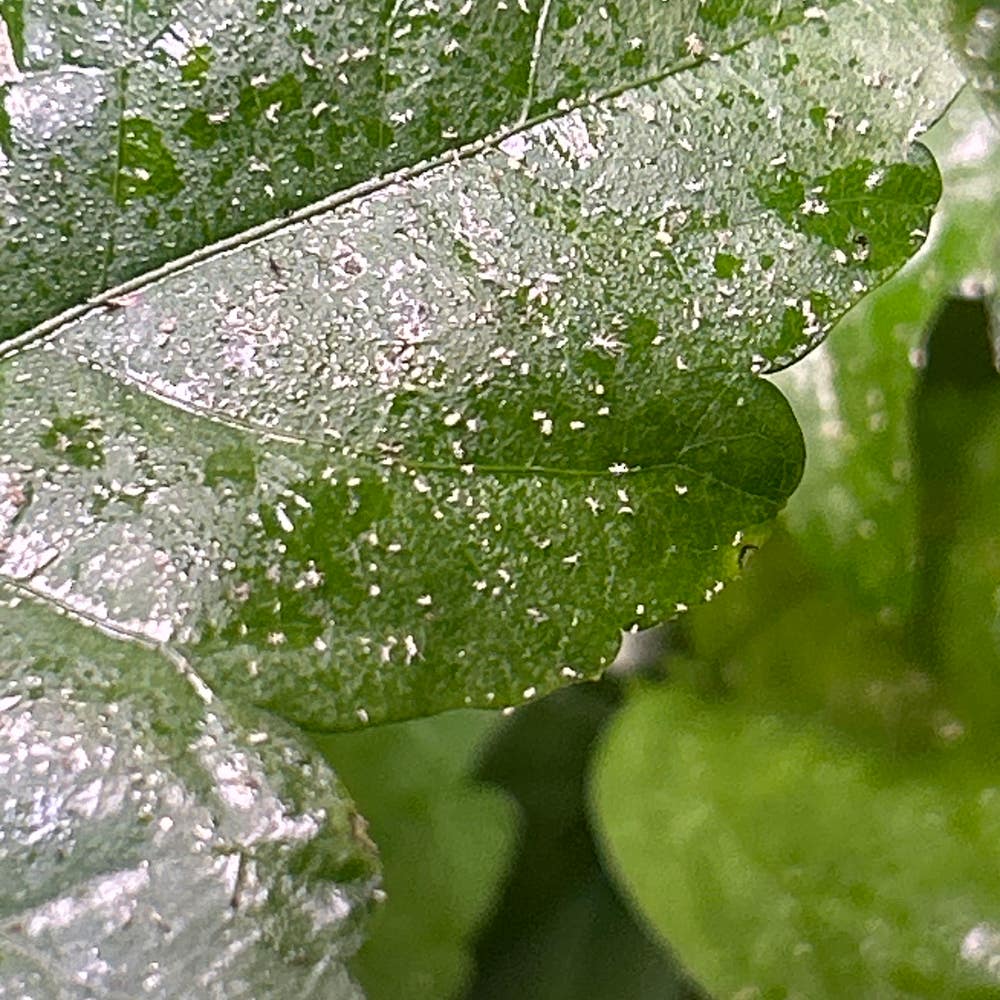
Aphids and spider mites are the Korean Hibiscus's nemesis. These pests are like the uncool kids that crash the garden party, sucking the life out of your plants. Aphids are tiny but mighty, clustering on the undersides of leaves and secreting a sticky substance called honeydew. Spider mites, meanwhile, are microscopic troublemakers that weave fine webs and cause leaves to look speckled and sickly.
🍄 Fungal Foes: Preventing Mold and Root Rot
Mold and root rot are like the bad roommates of the plant world—they're messy, they're destructive, and they don't clean up after themselves. Mold can appear as a fuzzy growth on the soil, while root rot lurks beneath the surface, leading to a plant that's wilting despite your best watering efforts. Keep an eye out for these signs, and remember, cleanliness is next to godliness when it comes to plant care.
⚔️ The Battle Plan
Here's the game plan: start with insecticidal soap or a hibiscus-friendly insecticide to show those pests the door. For mold and root rot, prevention is key—ensure good airflow, avoid waterlogging, and maybe break out the fungicide if things look grim. Remember, your Korean Hibiscus didn't sign up for a battle royale with pests and diseases, so keep your defenses up and your tools clean. And if you're feeling overwhelmed, just think of it as a strategic game of plant chess—you're the grandmaster, and it's your move.
Environmental Stress: From Scorching to Chilling
🌡️ Leaf Scorch and Cold Shock: Symptoms and Solutions
Korean Hibiscus can throw a real fit when the weather's not right. Leaf scorch is the drama queen of symptoms, showing up as crispy, brown edges when your plant's been sunbathing too long. On the flip side, cold shock makes leaves wilt and branches die back, as if the plant's given up on life.
⛱️ Protecting from Heat
To shield your hibiscus from the sun's wrath, relocate it to a spot with morning sun and afternoon shade. Think of it as sunscreen for plants. If it's potted, move it; if it's in the ground, a well-placed sunshade during peak hours can work wonders.
🧣 Guarding Against Cold
When Jack Frost is in town, it's all about keeping your hibiscus cozy. Wrapping the plant with burlap or bringing it indoors can save it from turning into a plant popsicle. Remember, it's not just about surviving the cold night; it's about preventing that icy shock when the sun comes up.
Creating a Cozy Habitat
Creating the perfect chill-out zone for your Korean Hibiscus means balancing the elements like a feng shui master.
🌬️ Windbreaks and Insulation
Windbreaks can be a game-changer, especially in gusty areas. Use fences, shrubs, or even temporary burlap screens to keep those harsh winds at bay. For potted pals, consider nestling them among larger plants for a natural shield.
💨 Humidity and Airflow
Too much humidity and your hibiscus leaves might start looking like they're auditioning for a bubble wrap commercial. Airflow is key here—set up a fan or move your plant to a breezier location to help it breathe easy. If you're dealing with a greenhouse or indoor setup, a dehumidifier can help dial down the mugginess.
By playing defense against the weather's mood swings, you can keep your Korean Hibiscus from throwing a temper tantrum. Just remember, it's all about finding that sweet spot where your plant can kick back and relax, no matter what Mother Nature throws its way.
⚠️ Safety First
This content is for general information and may contain errors, omissions, or outdated details. It is not medical, veterinary advice, or an endorsement of therapeutic claims.
Always consult a qualified healthcare professional before using any plant as food, medicine, or supplement.
Never eat any plant (or feed one to pets) without confirming its identity with at least two trusted sources.
If you suspect poisoning, call Poison Control (800) 222-1222, the Pet Poison Helpline (800) 213-6680, or your local emergency service immediately.
Spotted an error? Please report it here.
With Greg, pinpoint your Korean Hibiscus's sweet spot 🌺 for watering and light, ensuring it thrives without the guesswork.