What Temperature Does My Pellaea rotundifolia Need?
Hemionitis rotundifolia
By the Greg Editorial Team
Jun 18, 2024•4 min read
This article was created with the help of AI so we can cover more plants for you. May contain errors. See one? Report it here.
- 🌡️ 65°F to 75°F by day, 55°F to 65°F by night for healthy Pellaea rotundifolia.
- Leaf discoloration and curling signal temperature stress.
- Seasonal shifts, HVAC, drafts can cause harmful temperature fluctuations.
Spotting the Chill and the Burn: Recognizing Temperature Stress
🚨 Visual Distress Signals
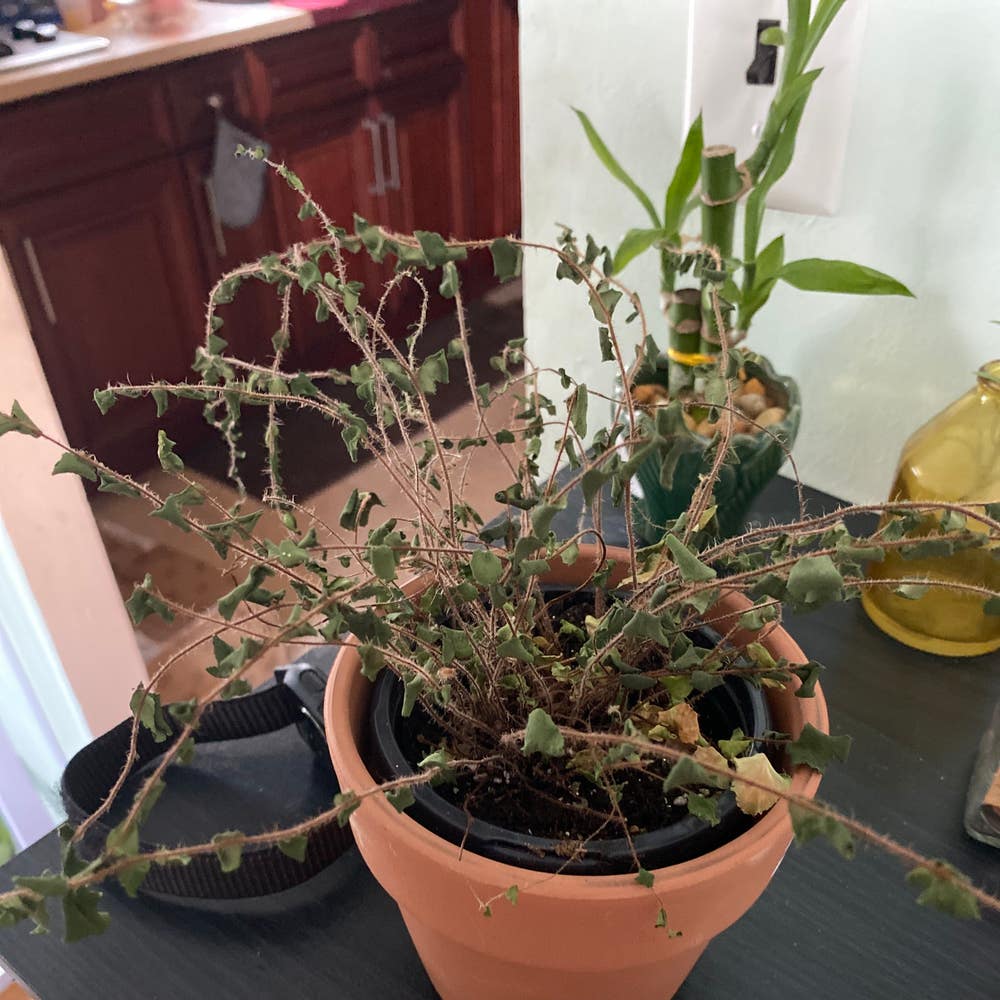
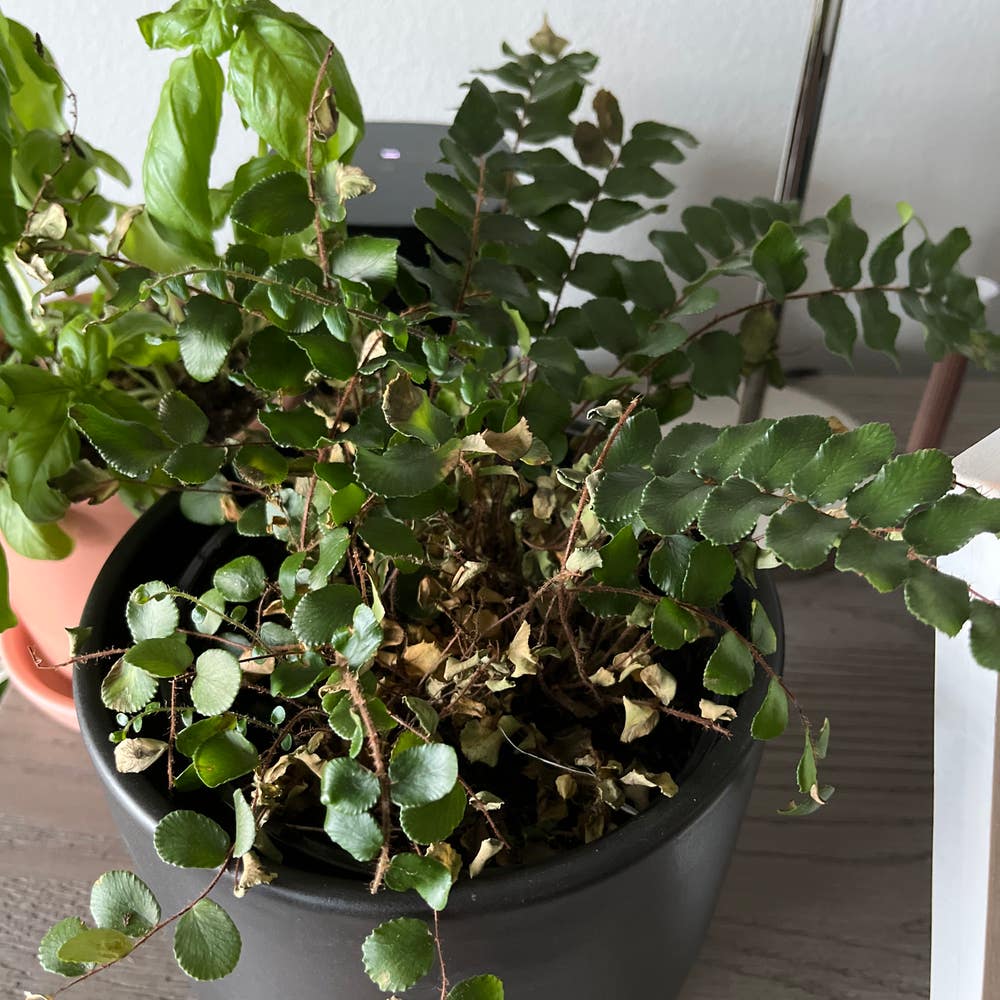
Leaf discoloration and texture changes are blatant red flags. If your Button Fern's leaves are looking more like autumn foliage than lush greenery, it's time to reassess the thermostat.
Wilting or curling is the plant's equivalent of raising a white flag. It's not being dramatic; it's genuinely struggling with the temperature you've set.
Beyond the Leaves
Stunted growth isn't just a minor setback; it's a sign that your plant is in a temperature-induced limbo. If your fern's growth seems to have hit a pause button, it's likely begging for a climate change.
When it comes to flowering, or the lack thereof, temperature can be the silent saboteur. If your Pellaea rotundifolia is holding back on the blooms, it might be protesting the current conditions.

The Goldilocks Zone: Pellaea rotundifolia's Ideal Temperature Sweet Spot
🌡️ Daytime Delight
Daytime temperatures are crucial for the Pellaea rotundifolia, commonly known as the Button Fern. To achieve lush growth, the sweet spot lies between 65°F and 75°F (18°C to 24°C). This range encourages robust photosynthesis without causing the plant to overheat.
🌙 Nighttime Nurturing
When the sun sets, the Button Fern prefers a slight dip in the thermometer. Ideal nighttime temperatures should hover around 55°F to 65°F (13°C to 18°C). This cooler environment mimics the fern's natural habitat and supports recovery and growth during the dark hours.

When the Thermometer Becomes a Foe: Common Causes of Temperature Stress
🌡️ External Enemies
Seasonal shifts can turn your home into a battleground for your Pellaea rotundifolia. As the year cycles through its seasons, indoor temperatures can swing wildly, leaving your fern in a state of confusion and stress. From the scorching highs of summer to the icy lows of winter, these fluctuations are more than just a discomfort; they can be downright destructive.
Direct sunlight and nearby heat sources are like kryptonite to your Button Fern. That sun-drenched windowsill might seem like the perfect spot, but it can quickly become a death trap, baking your plant in a relentless heatwave. Similarly, radiators, stoves, and electronics can create microclimates hotter than a summer in Death Valley.
🏢 Indoor Instigators
HVAC systems, while keeping us comfortable, can spell disaster for your Pellaea rotundifolia. The forced air from heating or cooling vents can desiccate leaves, leaving them as dry and lifeless as a mummy's wrappings. It's essential to position your fern out of the direct path of these gusts to avoid turning it into a botanical tumbleweed.
Drafts are the ninjas of temperature stress—silent, invisible, and deadly. A plant placed near a frequently opened door or window can experience sudden chills or heat spikes, causing it to wilt faster than a forgotten salad. Keep your fern away from these areas, or it might just give you the cold shoulder—or a hot flash.

Turning Up the Heat on Growth: Temperature's Role in Pellaea rotundifolia's Lifecycle
🌡️ Growth Spurts and Slowdowns
Temperature isn't just a number on a thermostat; it's a growth accelerator or brake pedal for your Pellaea rotundifolia. When the mercury rises, so does the pace of photosynthesis, transpiration, and respiration, leading to growth spurts. Conversely, drop the degrees and you might as well be telling your fern to take a nap—growth slows down or even stalls.
💐 Flower Power
If you're hoping for a floral display from your Pellaea rotundifolia, temperature is your secret weapon—or your unwitting sabotage. Flowering is like a delicate dance that requires the right rhythm of warmth. Too hot, and your plant might skip the show altogether. Keep it in the Goldilocks zone, and you'll set the stage for blooming success. Remember, it's not just about avoiding the chill; it's about dodging a burn that could leave your plant's potential unfulfilled.
⚠️ Safety First
This content is for general information and may contain errors, omissions, or outdated details. It is not medical, veterinary advice, or an endorsement of therapeutic claims.
Always consult a qualified healthcare professional before using any plant as food, medicine, or supplement.
Never eat any plant (or feed one to pets) without confirming its identity with at least two trusted sources.
If you suspect poisoning, call Poison Control (800) 222-1222, the Pet Poison Helpline (800) 213-6680, or your local emergency service immediately.
Spotted an error? Please report it here.
Ensure your Pellaea rotundifolia enjoys the perfect climate 🌿 with Greg's personalized care reminders, keeping it lush and stress-free within its ideal temperature sweet spot.