5 Tips for Healing Leaves Falling Over on Your Button Fern 🌿
Hemionitis rotundifolia
By the Greg Editorial Team
Oct 11, 2024•5 min read
This article was created with the help of AI so we can cover more plants for you. May contain errors. See one? Report it here.
- 🌞 Button ferns need indirect light; direct sunlight can scorch their leaves.
- 💧 High humidity (60%+) is essential for button fern health; use a hygrometer.
- 🌡️ Maintain stable temperatures (15°C-24°C) to prevent drooping leaves and stress.
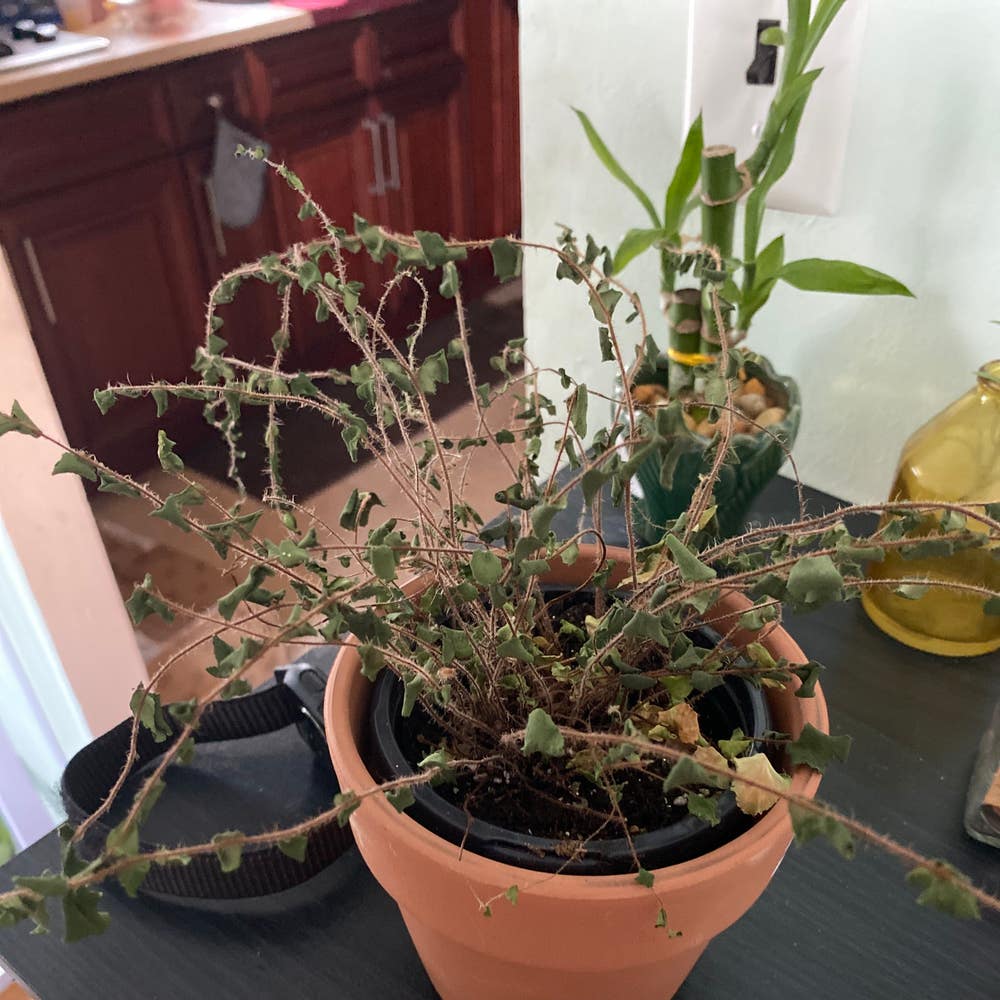
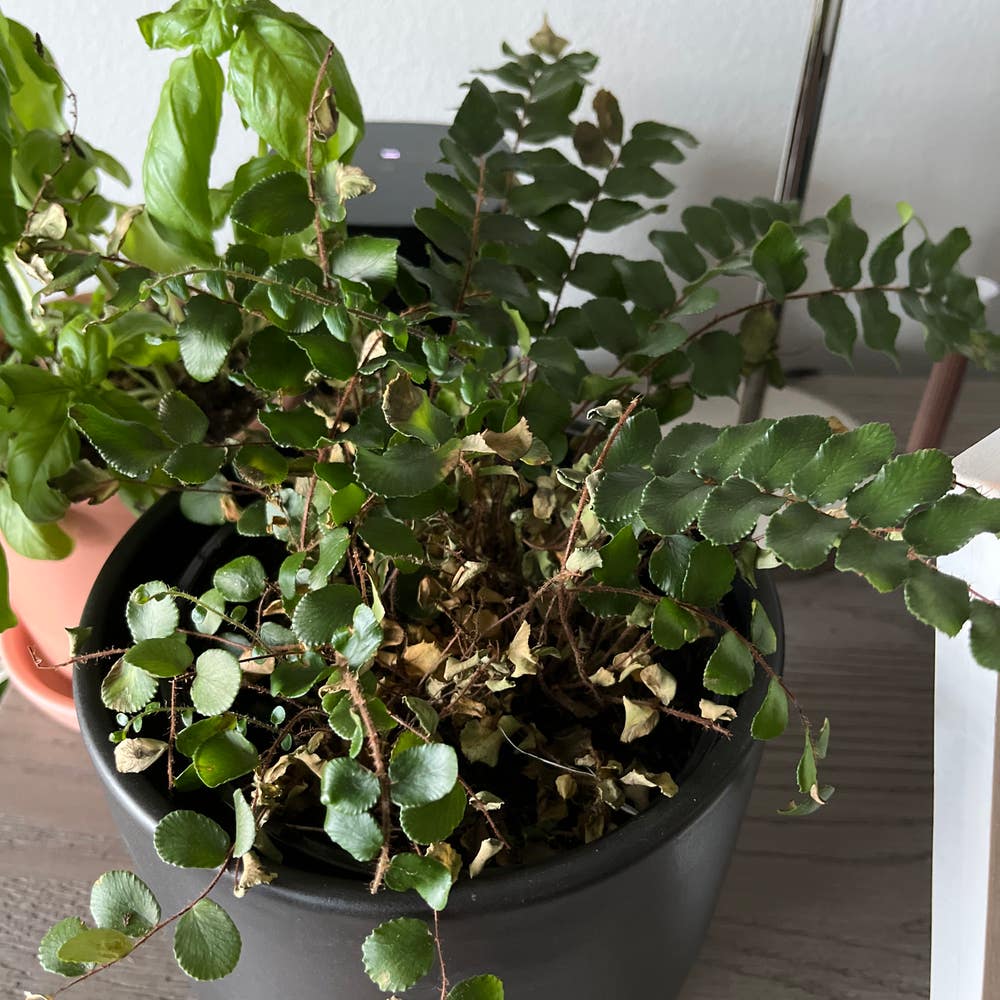
Causes of Leaves Falling Over
🌍 Environmental Stress Factors
Light Conditions
Light plays a crucial role in the health of your button fern. Too much light can scorch the leaves, leading to burn marks and drooping, while too little light results in weak growth and falling leaves.
Humidity Levels
Humidity is another key factor for your fern's well-being. It thrives in high humidity—ideally 60% or higher—so low humidity can cause the leaves to dry out and droop.
Temperature Fluctuations
Temperature stability is vital for your fern. The optimal range is between 15°C to 24°C (60°F to 75°F); sudden temperature changes can stress the plant, resulting in drooping leaves.
💧 Watering Issues
Overwatering Symptoms
Overwatering can be detrimental to your button fern. Signs include yellowing leaves, soggy soil, and root rot, which occur because the roots lack oxygen, causing the leaves to droop.
Underwatering Symptoms
Conversely, underwatering can also lead to problems. Look for crispy leaf edges, wilting, and drooping, as insufficient moisture stresses the leaves and affects their health.
🥦 Nutrient Deficiencies
Signs of Nutrient Deficiency
Nutrient deficiencies can manifest in various ways. Yellowing leaves often indicate a lack of nitrogen or iron, while stunted growth signals overall poor health, leading to drooping leaves.
Understanding these causes is the first step in addressing the issue of falling leaves on your button fern. Next, we’ll explore how to diagnose the problem effectively.
Diagnosing the Problem
Assessing Environmental Conditions 🌤️
To start diagnosing your button fern's issues, check its light exposure. Ensure it receives the right amount of indirect light; too much direct sunlight can lead to drooping leaves.
Next, evaluate humidity levels. A hygrometer can help you measure the moisture in the air, ensuring it meets the fern's preference for high humidity.
Checking Soil Moisture Levels 💧
Soil moisture is crucial for your fern's health. Insert your finger about 1-2 inches into the soil to assess its moisture content.
If the soil feels dry, your plant may be underwatered. Conversely, wet soil can indicate overwatering, which can suffocate the roots.
Identifying Pests and Diseases 🐛
Pests can also contribute to leaf drooping. Look for common culprits like aphids, spider mites, or mealybugs, which can wreak havoc on your plant.
Additionally, check for signs of disease. Mold or discoloration on leaves can signal underlying health issues that need immediate attention.
By carefully assessing these factors, you can pinpoint the cause of your button fern's distress and take the necessary steps to revive it. Next, let’s explore effective solutions and treatments to restore your plant's health.
Solutions and Treatments
🌞 Adjusting Light Exposure
To help your Button Fern thrive, start by relocating it to a spot with filtered light. Direct sunlight can scorch the leaves, so using sheer curtains can effectively diffuse harsh rays.
💧 Modifying Humidity Levels
🌬️ Using a Humidifier or Pebble Tray
Maintaining the right humidity is crucial for your fern's health. A humidifier set to maintain at least 60% humidity can work wonders. Alternatively, create a pebble tray by filling a shallow dish with water and pebbles, then place your pot on top to boost moisture levels.
💦 Proper Watering Techniques
🌱 How to Check Soil Moisture
- Insert a finger or moisture meter into the soil to gauge moisture levels.
- Water only if the top 1-2 inches feel dry; this prevents overwatering.
📅 Recommended Watering Schedule
Aim to water your Button Fern every 1-2 weeks. Adjust this frequency based on your home's environmental conditions to keep your plant happy.
🌿 Fertilization Tips
🥤 Choosing the Right Fertilizer
Select a balanced, water-soluble fertilizer, such as NPK 20-20-20. Always follow the package instructions for proper dilution to avoid overwhelming your fern.
📆 Frequency of Application
Fertilize your Button Fern every 4-6 weeks during the growing season, which spans spring and summer. This will provide the nutrients necessary for robust growth.
By implementing these solutions, you can create an optimal environment for your Button Fern. Next, let’s explore some preventative measures to keep your plant thriving year-round.
Preventative Measures
Regular Maintenance Practices 🌿
Pruning is essential for your button fern. Regularly remove dead or yellowing leaves to encourage healthy growth and improve overall appearance.
Cleaning your fern is equally important. Wipe the leaves with a damp cloth to remove dust, allowing the plant to breathe better and absorb more light.
Seasonal Care Adjustments 🌸
During winter, adjust your care routine. Reduce watering frequency and keep an eye out for dry air, which can stress your fern.
In summer, increase humidity and watering as needed. Your fern thrives in a warm, moist environment, so be proactive in meeting its needs.
Monitoring for Pests and Diseases 🐛
Regular inspections are key to keeping your fern healthy. Check the leaves weekly for any signs of pests or disease, catching issues early can save your plant.
If you spot any problems, act quickly. Early intervention can prevent minor issues from escalating into major concerns, ensuring your fern remains vibrant and lush.
With these preventative measures in place, your button fern will flourish, setting the stage for a thriving indoor garden. Next, let’s explore how to diagnose any problems that may arise.
⚠️ Safety First
This content is for general information and may contain errors, omissions, or outdated details. It is not medical, veterinary advice, or an endorsement of therapeutic claims.
Always consult a qualified healthcare professional before using any plant as food, medicine, or supplement.
Never eat any plant (or feed one to pets) without confirming its identity with at least two trusted sources.
If you suspect poisoning, call Poison Control (800) 222-1222, the Pet Poison Helpline (800) 213-6680, or your local emergency service immediately.
Spotted an error? Please report it here.
Keep your button fern thriving 🌿 by using Greg's tailored care reminders to ensure it gets the perfect light, humidity, and watering it craves!