🌱 Fertilizing Button Fern to Double Its Growth
Hemionitis rotundifolia
By the Greg Editorial Team
Oct 11, 2024•5 min read
This article was created with the help of AI so we can cover more plants for you. May contain errors. See one? Report it here.
- 🌱 Organic fertilizers like compost and fish emulsion boost Button Fern growth sustainably.
- 💧 Liquid fertilizers offer quick nutrients; apply every 4-6 weeks during growing season.
- ⚖️ Balanced NPK ratios are essential; adjust based on your fern's age and needs.
Types of Fertilizers Suitable for Button Fern
🌱 Organic Fertilizers
Organic fertilizers are a fantastic choice for Button Ferns. They improve soil health and provide a slow release of nutrients, promoting sustainable growth.
Benefits of Using Organic Fertilizers:
- They enhance soil structure and microbial activity.
- Organic options are less likely to cause nutrient burn.
Recommended Organic Options:
- Compost: Rich in nutrients and improves soil texture.
- Worm Castings: Packed with beneficial microbes and nutrients.
- Fish Emulsion: A quick-acting liquid fertilizer that boosts growth.
💧 Liquid Fertilizer
Liquid fertilizers offer a rapid nutrient boost, making them ideal for quick absorption. They can be particularly effective during the growing season when your Button Fern needs that extra support.
Advantages of Liquid Fertilizers:
- Fast-acting and easily absorbed by plants.
- Convenient for targeted feeding.
Suggested Brands and Formulations:
- Look for balanced formulations like 10-10-10 or specialized fern blends. Brands like Miracle-Gro and FoxFarm are popular choices.
⚖️ Best Fertilizer
Choosing the right fertilizer is crucial for optimal growth. The NPK ratios you select can significantly impact your Button Fern's health.
Ideal NPK Ratios:
- 10-10-10: A balanced option for general growth.
- 20-20-20: Provides a nutrient boost for vigorous growth phases.
Importance of Balanced Nutrient Composition: Balanced nutrients ensure your fern receives adequate nitrogen, phosphorus, and potassium. This balance supports overall health, vibrant fronds, and robust root systems.
With the right fertilizers in hand, you're well on your way to nurturing a thriving Button Fern. Next, let’s explore the recommended fertilizer ratios and nutrient composition to further enhance your plant's growth.
Recommended Fertilizer Ratios and Nutrient Composition
🌱 Essential Nutrients
To ensure your Button Fern thrives, focus on three key nutrients: nitrogen, phosphorus, and potassium.
- Nitrogen is crucial for promoting lush green growth, giving your fern that vibrant look.
- Phosphorus supports root development and enhances frond health, making it essential for a strong foundation.
- Potassium boosts overall plant vigor and disease resistance, helping your fern withstand environmental stressors.
⚖️ Fertilizer Ratios
Understanding fertilizer ratios is vital for optimal growth. For different growth stages, you might consider the following ratios:
- Young Ferns: A balanced ratio like 10-10-10 encourages initial growth.
- Established Ferns: A higher ratio, such as 20-20-20, can support more robust development.
Adjust these ratios based on your soil's nutrient levels. Conducting a soil test can provide insights into what your fern needs most. This tailored approach ensures your Button Fern receives the right nutrients at the right time, maximizing its growth potential.
With the right nutrient composition and ratios, your Button Fern will flourish beautifully. Next, let's explore how to apply fertilizer effectively to achieve these results.
How to Apply Fertilizer to Button Fern
🌱 Application Techniques
When it comes to fertilizing your Button Fern, understanding the difference between granular and liquid fertilizers is key. Granular fertilizers release nutrients slowly, making them great for long-term feeding, while liquid fertilizers provide a quick nutrient boost, ideal for immediate needs.
For even distribution, focus on applying fertilizers around the root zone. This ensures that the nutrients reach the roots effectively, promoting healthy growth.
📝 Step-by-Step Application Process
Choose the right fertilizer type based on growth stage. Different stages require different nutrients, so select accordingly.
Measure the appropriate amount according to package instructions. This prevents over-fertilization, which can harm your fern.
Water the fern lightly before application to prevent root burn. Moist soil helps protect the roots from potential damage.
Apply fertilizer evenly around the base of the plant. Aim for a uniform spread to ensure all roots benefit from the nutrients.
Water again after application to help nutrients penetrate the soil. This step is crucial for activating the fertilizer and making it available to the roots.
By following these steps, you’ll set your Button Fern up for success, ensuring it thrives and flourishes. Next, let’s explore how often and when to fertilize for optimal growth.
Frequency and Timing of Fertilization
Fertilizer Schedule 🌱
To keep your Button Fern thriving, aim to fertilize every 4-6 weeks during the growing season. This regular schedule helps provide consistent nutrients, promoting robust growth.
Adjustments may be necessary based on your fern's growth rate and environmental conditions. If your fern is growing rapidly, consider fertilizing more frequently; conversely, slow growth may require less frequent feeding.
Seasonal Considerations 🍂
Aligning your fertilization with the plant's growth cycle is crucial. Button Ferns typically experience active growth in spring and summer, making this the ideal time for fertilization.
In the fall and winter, growth slows down, so reduce or halt fertilization. This approach allows your fern to rest and prepare for the next growth cycle, ensuring it remains healthy and vibrant.
With a solid understanding of when and how often to fertilize, you're well on your way to nurturing a flourishing Button Fern. Next, let’s explore the signs of over-fertilization and how to remedy it.
Signs of Over-Fertilization and How to Remedy It
Symptoms 🌿
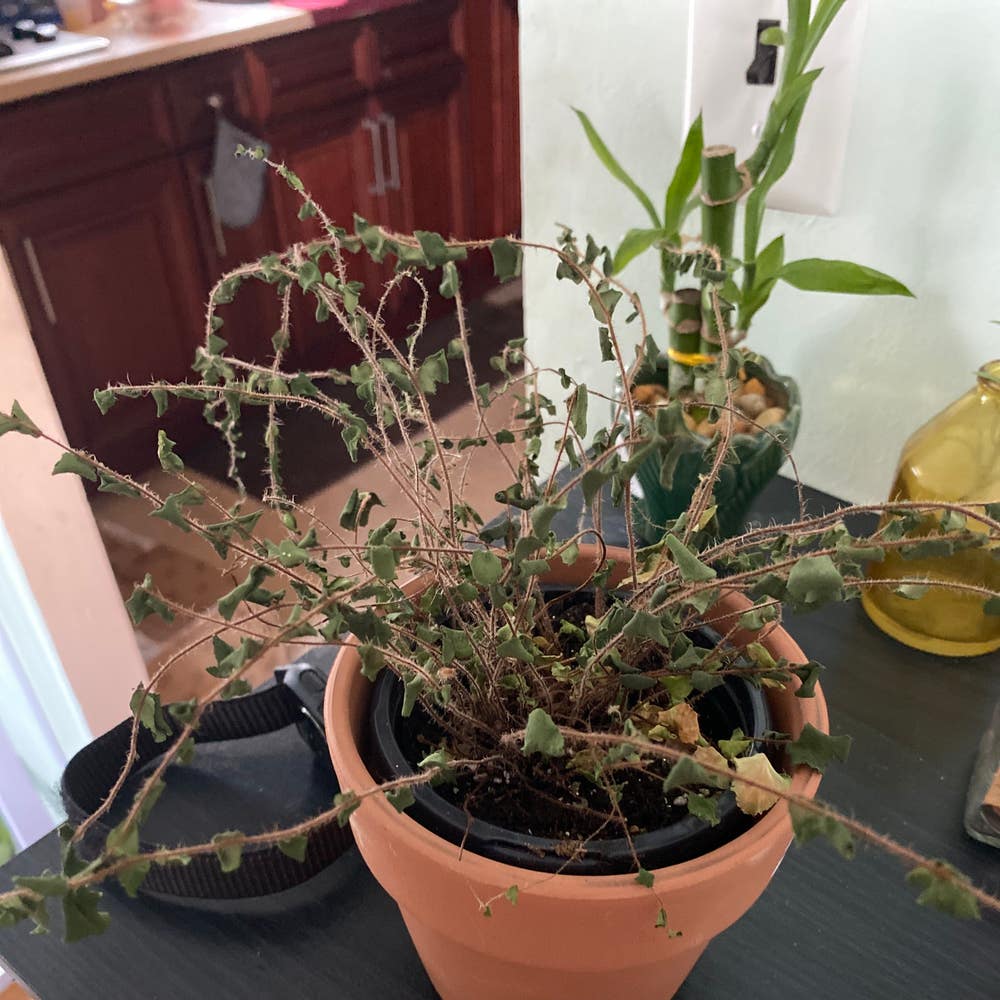
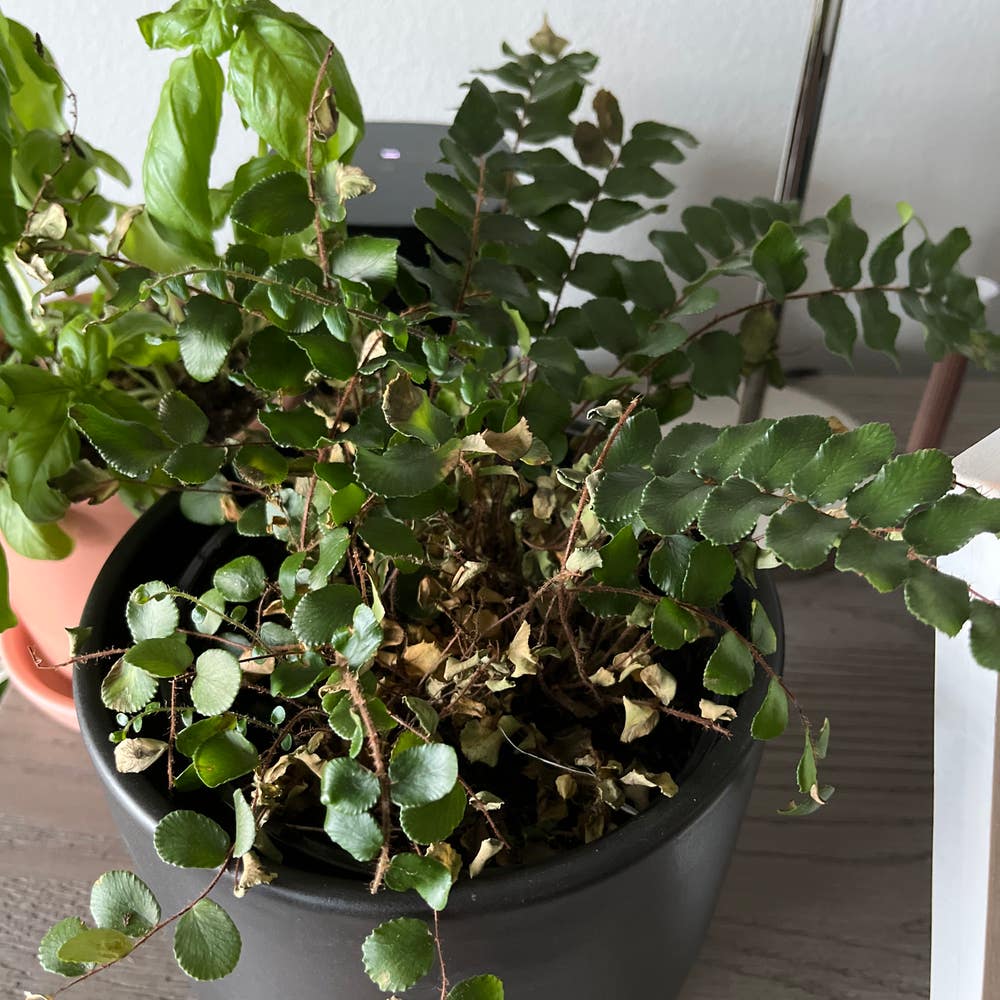
Over-fertilization can be detrimental to your Button Fern. One of the most common signs is leaf burn, characterized by brown tips and edges on the fronds.
You might also notice wilting despite adequate watering, which can be confusing. Additionally, stunted growth or yellowing leaves are clear indicators that your fern is receiving too many nutrients.
Steps to Remedy Over-Fertilization ⚠️
If you suspect over-fertilization, take immediate action. First, stop fertilizing right away to prevent further damage.
Next, flush the soil with water to dilute the excess nutrients. This helps restore balance and gives your fern a fighting chance.
Keep a close eye on your plant's health and adjust care as needed. If symptoms persist, you may want to consider repotting in fresh soil to give your Button Fern a fresh start.
By recognizing these signs and taking swift action, you can help your fern thrive once again. Now, let’s explore the best practices for applying fertilizer effectively.
⚠️ Safety First
This content is for general information and may contain errors, omissions, or outdated details. It is not medical, veterinary advice, or an endorsement of therapeutic claims.
Always consult a qualified healthcare professional before using any plant as food, medicine, or supplement.
Never eat any plant (or feed one to pets) without confirming its identity with at least two trusted sources.
If you suspect poisoning, call Poison Control (800) 222-1222, the Pet Poison Helpline (800) 213-6680, or your local emergency service immediately.
Spotted an error? Please report it here.
Boost your Button Fern's growth twice as fast 🌿 with Greg's tailored fertilization reminders and expert tips for optimal care!