Good Temperature Range for Your Button Fern 🌡️
Hemionitis rotundifolia
By the Greg Editorial Team
Oct 11, 2024•4 min read
This article was created with the help of AI so we can cover more plants for you. May contain errors. See one? Report it here.
- 🌡️ Ideal temperature for button ferns is 18°C to 24°C (65°F to 75°F) for growth.
- ❄️ Cold stress symptoms include wilting and browning; avoid temps below 10°C (50°F).
- 🔥 Heat stress occurs above 30°C (86°F), leading to wilting and increased pest vulnerability.
Ideal Temperature Range
🌡️ Optimal Temperature
For your button fern, the ideal temperature range is between 18°C to 24°C (65°F to 75°F). Maintaining this consistent warmth is crucial for promoting healthy growth and vibrant foliage.
❄️ Cold Tolerance
Button ferns can tolerate temperatures as low as 10°C (50°F). However, exposure to temperatures below this threshold can pose serious risks, including stunted growth and potential damage to the plant.
🔥 Heat Stress
On the flip side, button ferns can handle temperatures up to 30°C (86°F). Beyond this point, you may notice signs of heat stress, such as wilting leaves, browning tips, and overall stunted growth.
Understanding these temperature ranges is vital for keeping your button fern thriving. With the right conditions, you can enjoy a lush, healthy plant that adds beauty to your space.
Symptoms of Temperature Stress
Signs of Temperature Stress 🌡️
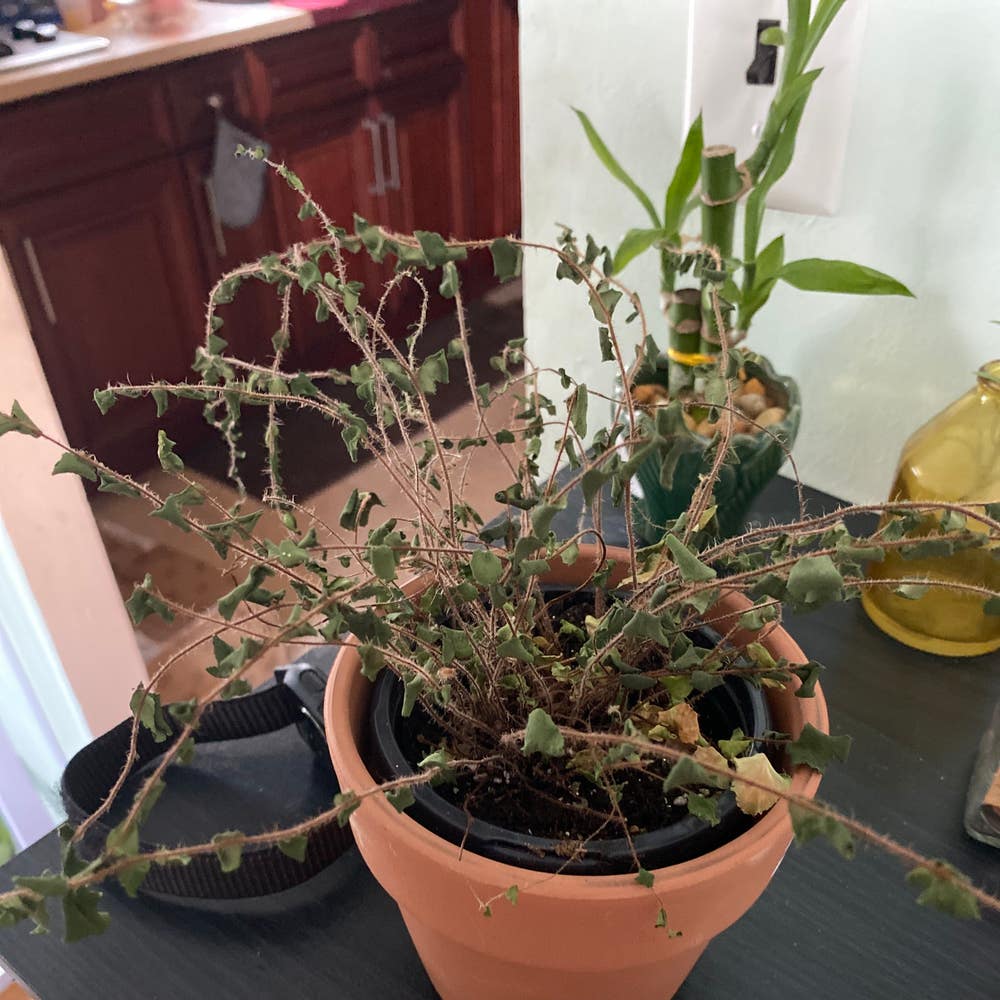
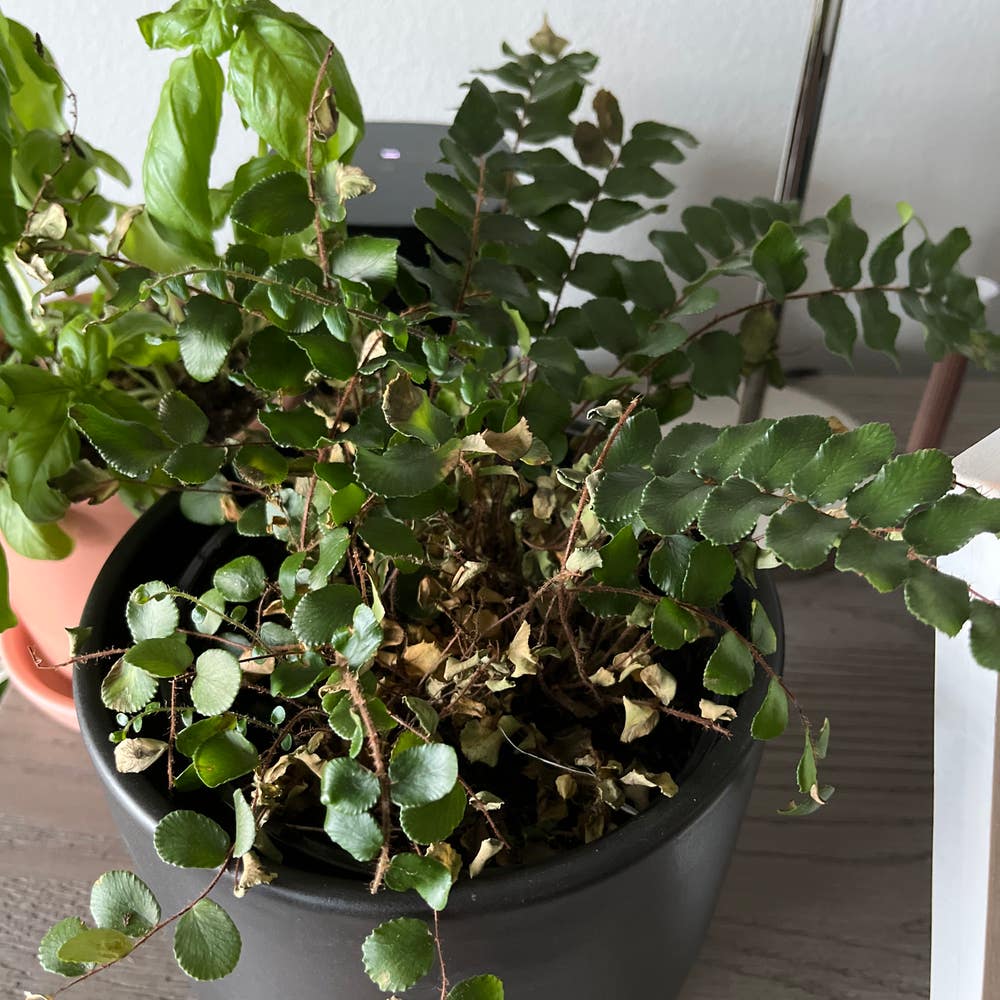
Temperature stress can manifest in several noticeable ways. Wilting is one of the first signs; leaves droop and lose their turgidity, making the plant look sad and lifeless.
Another indicator is browning leaves. When the tips and edges turn brown, it often signals potential heat stress. Additionally, if you notice stunted growth, with reduced new leaf production and overall plant vigor, it’s time to reassess your fern's environment.
Differentiating Between Cold and Heat Stress ❄️🔥
Understanding the difference between cold and heat stress is crucial for your button fern's health. Cold stress typically presents as yellowing leaves and leaf drop, indicating that your plant is not happy with the chill.
On the other hand, heat stress shows up as crispy, dry leaves and leaf curling. Recognizing these symptoms early can help you take action before your fern suffers too much.
By staying vigilant about these signs, you can ensure your button fern thrives in its ideal temperature range. Next, let’s explore the causes of temperature stress and how to prevent it.
Causes of Temperature Stress
🌡️ Environmental Factors
Temperature stress in your button fern often stems from environmental factors. Sudden temperature fluctuations can shock the plant, leading to distress.
Prolonged exposure to extreme temperatures, whether cold or hot, can also wreak havoc on its health. Both extremes can cause your fern to struggle, impacting its growth and vitality.
🏠 Indoor vs. Outdoor Conditions
Indoor environments can be tricky for button ferns. Poor insulation may lead to temperature drops at night, leaving your plant vulnerable.
On the flip side, outdoor conditions present their own challenges. Direct sunlight or cold drafts can significantly affect temperature stability, putting your fern at risk.
Understanding these causes is essential for maintaining a healthy button fern. With the right care, you can create a stable environment that promotes growth and resilience.
Next, let’s explore the effects of temperature extremes on your plant.
Effects of Temperature Extremes
❄️ Impact of Cold Temperatures
Prolonged exposure to cold can induce dormancy in your button fern, effectively halting its growth. This is not just a temporary setback; it can lead to root rot if the conditions remain cold and wet.
🔥 Impact of Heat Temperatures
On the flip side, high temperatures can cause increased water loss through rapid evaporation. Stressed plants become vulnerable to pests, like spider mites, which thrive in these conditions.
Understanding these effects is crucial for maintaining your fern's health. By managing temperature extremes, you can ensure your button fern thrives in its environment.
Temperature Management Techniques
How to Maintain Optimal Temperature 🌡️
Choose the right location: Position your button fern in a stable environment, away from drafts. This helps maintain a consistent temperature, crucial for its health.
Use temperature-regulating tools: Incorporate heaters or fans as needed to keep the temperature within the ideal range. These tools can make a significant difference in maintaining comfort for your fern.
Regularly check temperature: Invest in a reliable thermometer to monitor conditions consistently. Keeping an eye on the temperature ensures your fern thrives.
Tools for Monitoring Temperature 📱
Digital thermometers: These devices provide accurate readings, making it easy to track temperature changes. They are user-friendly and essential for any plant enthusiast.
Smart home devices: Consider using apps that allow for real-time temperature monitoring. This tech-savvy approach can simplify your plant care routine.
Adjusting Temperature for Seasonal Changes 🌦️
Transitioning plants indoors during colder months: As temperatures drop, moving your fern indoors can prevent cold stress. This transition helps maintain a stable environment.
Gradually acclimating plants to outdoor conditions in spring: When warmer weather arrives, slowly introduce your fern to outdoor conditions. This gradual acclimation helps it adjust without shock.
By implementing these temperature management techniques, you can create a nurturing environment for your button fern. This proactive approach not only enhances its growth but also enriches your gardening experience.
Next, let’s explore the symptoms of temperature stress and how to identify them effectively.
⚠️ Safety First
This content is for general information and may contain errors, omissions, or outdated details. It is not medical, veterinary advice, or an endorsement of therapeutic claims.
Always consult a qualified healthcare professional before using any plant as food, medicine, or supplement.
Never eat any plant (or feed one to pets) without confirming its identity with at least two trusted sources.
If you suspect poisoning, call Poison Control (800) 222-1222, the Pet Poison Helpline (800) 213-6680, or your local emergency service immediately.
Spotted an error? Please report it here.
Keep your button fern thriving 🌿 by maintaining a cozy temperature of 18°C to 24°C, and let Greg help you with smart monitoring and reminders for optimal care!