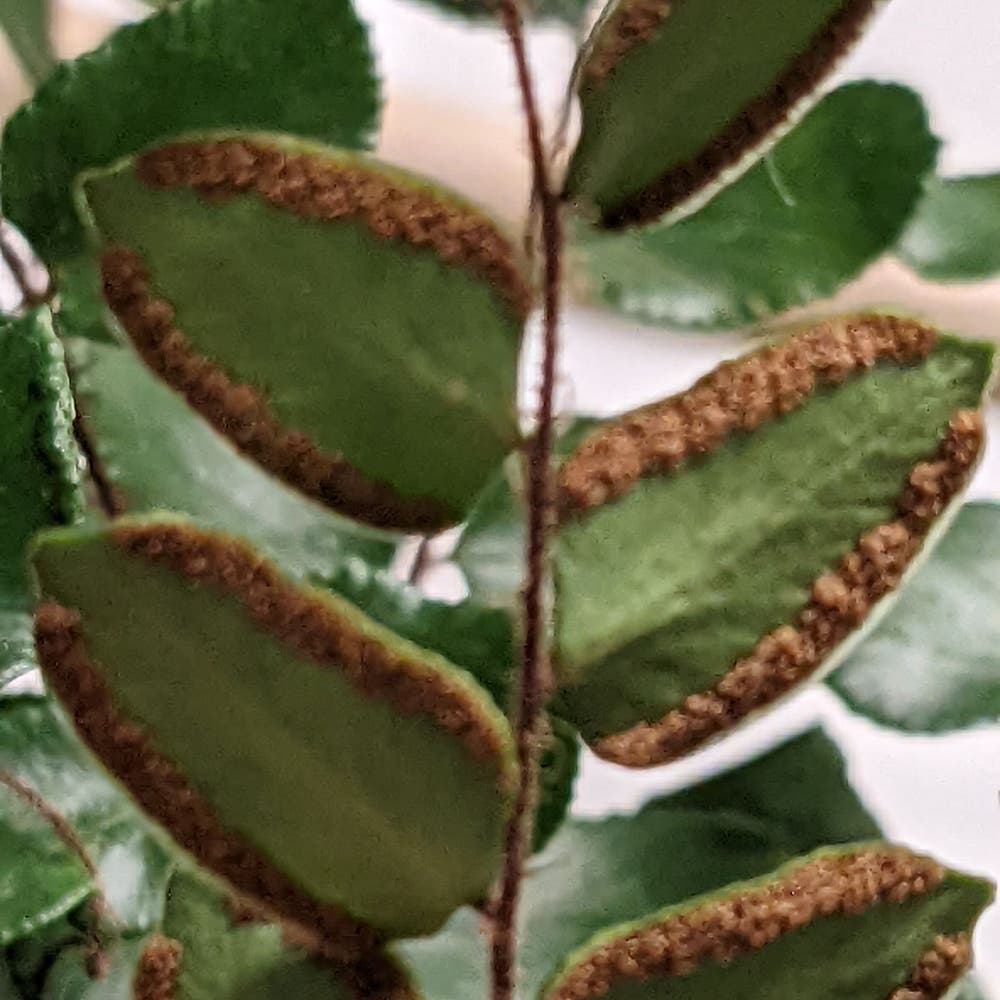
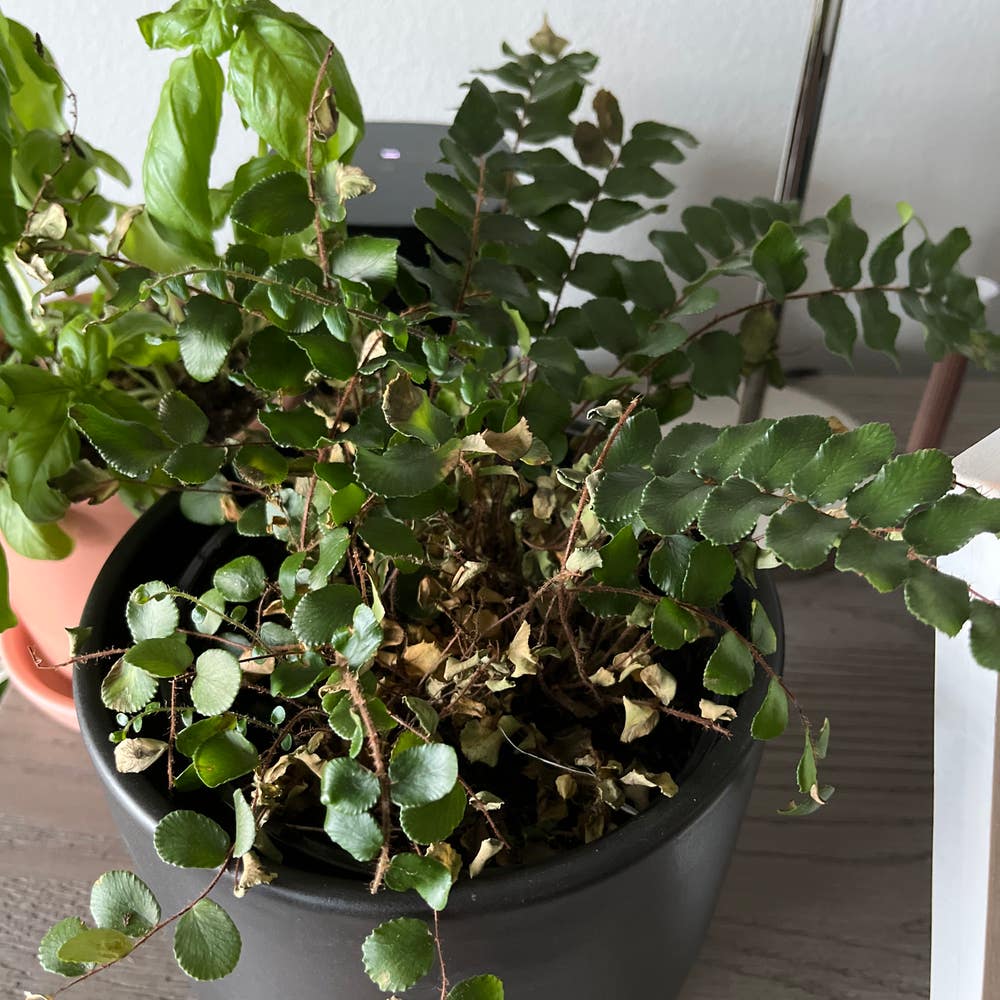
🖐 Ultimate Guide to Growing Finger Fern
Hemionitis rotundifolia
By the Greg Editorial Team
Oct 16, 2024•5 min read
This article was created with the help of AI so we can cover more plants for you. May contain errors. See one? Report it here.
- 🌞 Finger Ferns thrive in bright, indirect light; avoid direct sunlight for best growth.
- 💧 Water every 1-2 weeks; adjust based on humidity to prevent overwatering or underwatering.
- 🌿 Maintain humidity above 50% for optimal growth; use trays or misting techniques.
Cultivation Techniques
🌍 Choosing the Right Location
When growing Finger Ferns, location is key. For indoor settings, aim for bright, indirect light while steering clear of direct sunlight, which can scorch the delicate fronds.
Outdoors, select shaded areas that offer protection from harsh elements. This ensures your fern thrives without the stress of extreme weather conditions.
🪴 Soil Preparation and Amendments
The ideal soil for Finger Ferns is well-draining and rich in organic matter. A mixture that retains moisture yet allows excess water to escape is crucial for healthy growth.
To enhance your soil, consider adding peat moss for moisture retention. Incorporating perlite will improve drainage, creating an optimal environment for your fern's roots.
🌱 Planting Techniques and Spacing
When planting, ensure your Finger Fern is set 2-3 inches deep in the soil. This depth allows for stable growth while keeping the roots protected.
For outdoor planting, maintain a spacing of 12-18 inches apart to give each fern room to flourish. If you're using containers, always choose pots with drainage holes to prevent waterlogging and root rot.
With these cultivation techniques in hand, you're well on your way to nurturing a thriving Finger Fern. Next, let’s dive into the essential aspects of watering and fertilizing to keep your plant healthy and vibrant.
Watering and Fertilizing
Watering Requirements and Frequency 🌊
Finger ferns thrive in consistently moist conditions, but it's crucial to avoid waterlogging. Aim to water every 1-2 weeks, adjusting based on the humidity levels in your environment.
Best Fertilizers for Finger Fern 🌱
For optimal growth, use a balanced liquid fertilizer with an NPK ratio of 20-20-20. Fertilize every 4-6 weeks during the growing season to keep your fern healthy and vibrant.
Signs of Overwatering or Underwatering 🚨
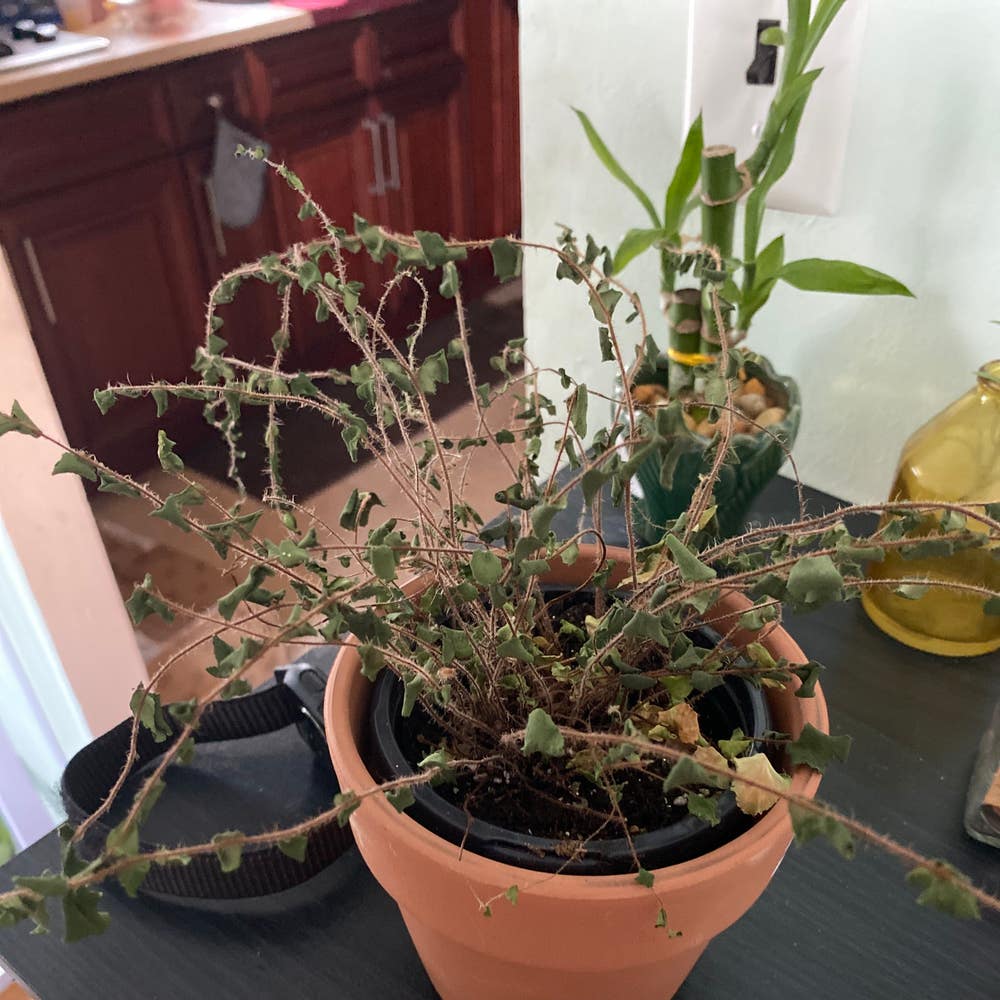
Recognizing the signs of improper watering is essential for your fern's health. Overwatering often leads to yellowing leaves and mushy roots, while underwatering can cause wilting fronds and crispy leaf edges.
By mastering the watering and fertilizing techniques, you'll set your finger fern up for success. Next, let's delve into pruning and maintenance to keep your plant looking its best.
Pruning and Maintenance
When and How to Prune 🌱
Pruning your Finger Fern is essential for its health. The best time to prune is early spring, just before new growth begins.
To prune, focus on removing dead or damaged fronds at the base. This encourages fresh growth and keeps your plant looking vibrant.
Ongoing Care Routine 🔍
Regular inspections are key to maintaining a healthy fern. Look out for pests and diseases that could harm your plant.
Humidity is crucial for Finger Ferns. Consider using a humidity tray or misting your plant regularly to keep moisture levels up.
Seasonal Care Considerations 🌦️
As seasons change, so should your care routine. In winter, reduce watering frequency to prevent root rot.
During the summer, increase humidity levels and keep an eye out for pests. This proactive approach ensures your fern thrives year-round.
With proper pruning and maintenance, your Finger Fern will flourish beautifully. Next, let’s explore common challenges and solutions to keep your plant in top shape.
Common Challenges and Solutions
🐛 Identifying and Treating Pests
Pests can be a real headache for your Finger Fern. Two common culprits are aphids and spider mites.
Common Pests
- Aphids: These small, green insects love to hang out on the fronds, sucking the sap and weakening the plant.
- Spider Mites: Look for fine webbing on leaves; these tiny pests can cause significant damage if left unchecked.
Treatment Methods
To tackle these pests, neem oil or insecticidal soap works wonders. Regularly inspect your plants and remove any affected fronds to keep your fern healthy.
🦠 Addressing Diseases
Diseases can sneak up on you, especially if your care routine isn’t spot on. Two common issues are root rot and leaf spot.
Common Diseases
- Root Rot: This is usually a result of overwatering. Symptoms include wilting, which can be alarming.
- Leaf Spot: Dark spots on leaves often indicate a fungal issue that needs immediate attention.
Prevention and Treatment
To prevent these diseases, ensure your soil drains well and follow proper watering techniques. For severe infections, don’t hesitate to use fungicides to protect your fern.
🌬️ Environmental Stress Factors
Your Finger Fern thrives in specific conditions. Pay attention to humidity and temperature to keep it flourishing.
- Humidity: Aim to maintain levels above 50% for optimal growth.
- Temperature: The ideal range is between 65°F to 75°F (18°C to 24°C).
By addressing these challenges proactively, you can enjoy a vibrant and healthy Finger Fern. Next, let’s explore how to grow your fern in containers for a more manageable gardening experience.
Container Growing
Best Pots and Soil for Container Growth 🌱
Choosing the right pot is crucial for your Finger Fern's health. Opt for clay or plastic pots with drainage holes to prevent waterlogging.
For the soil mix, combine equal parts of potting soil, peat moss, and perlite. This blend ensures excellent drainage while retaining necessary moisture.
Tips for Indoor Cultivation 🪴
Position your pots near a window that offers filtered light. This setup mimics the fern's natural habitat, promoting healthy growth.
Don’t forget to rotate your pots regularly. This practice ensures that all sides of the plant receive even light exposure, preventing uneven growth.
Managing Space and Light Conditions 💡
Ensure adequate airflow around your plants by spacing them appropriately. Good air circulation helps prevent mold and pests.
For light management, consider using sheer curtains. They diffuse direct sunlight, providing the right amount of light without overwhelming your fern.
With these container growing tips, your Finger Fern will thrive indoors, bringing a touch of greenery to your space. Next, let’s explore the watering and fertilizing needs to keep your fern flourishing.
⚠️ Safety First
This content is for general information and may contain errors, omissions, or outdated details. It is not medical, veterinary advice, or an endorsement of therapeutic claims.
Always consult a qualified healthcare professional before using any plant as food, medicine, or supplement.
Never eat any plant (or feed one to pets) without confirming its identity with at least two trusted sources.
If you suspect poisoning, call Poison Control (800) 222-1222, the Pet Poison Helpline (800) 213-6680, or your local emergency service immediately.
Spotted an error? Please report it here.
Unlock the secret to a thriving Finger Fern 🌱 with Greg's tailored care tips and reminders, ensuring your plant flourishes in the perfect environment!