How Do I Know When My Pellaea rotundifolia Needs Water?
Hemionitis rotundifolia
By the Greg Editorial Team
Jun 18, 2024•5 min read
This article was created with the help of AI so we can cover more plants for you. May contain errors. See one? Report it here.
- Wilting, dry soil, color shifts signal your Button Fern's thirst.
- Adjust watering frequency based on humidity, temperature, and light.
- Choose well-draining soil and proper pot to regulate moisture.
Spotting a Thirsty Button Fern
🚨 Visual SOS Signals
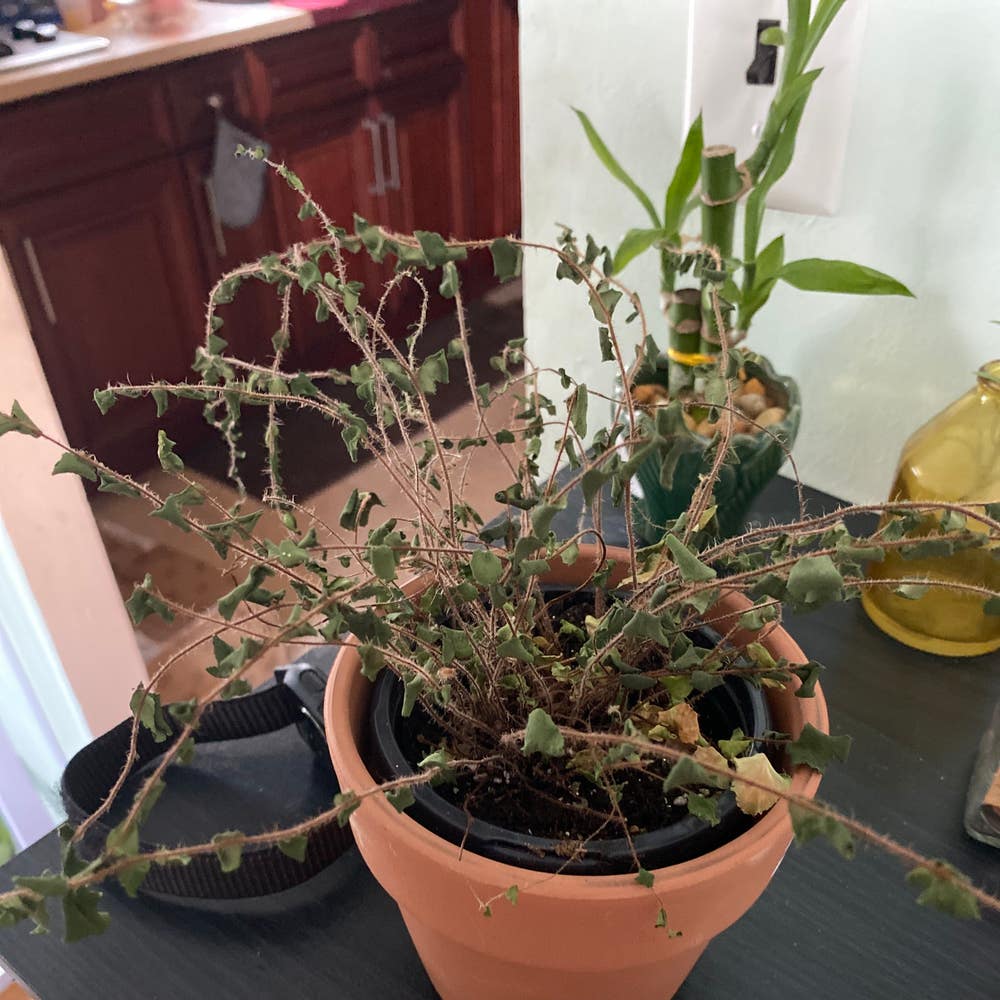
Fronds that droop like overcooked spaghetti are a cry for water. When your Button Fern's leaves have the enthusiasm of a limp handshake, it's time to act.
Soil dryness is another red flag. Test it by sticking your finger in; if the top inch is as dry as a stand-up comedian's humor, your fern is parched.
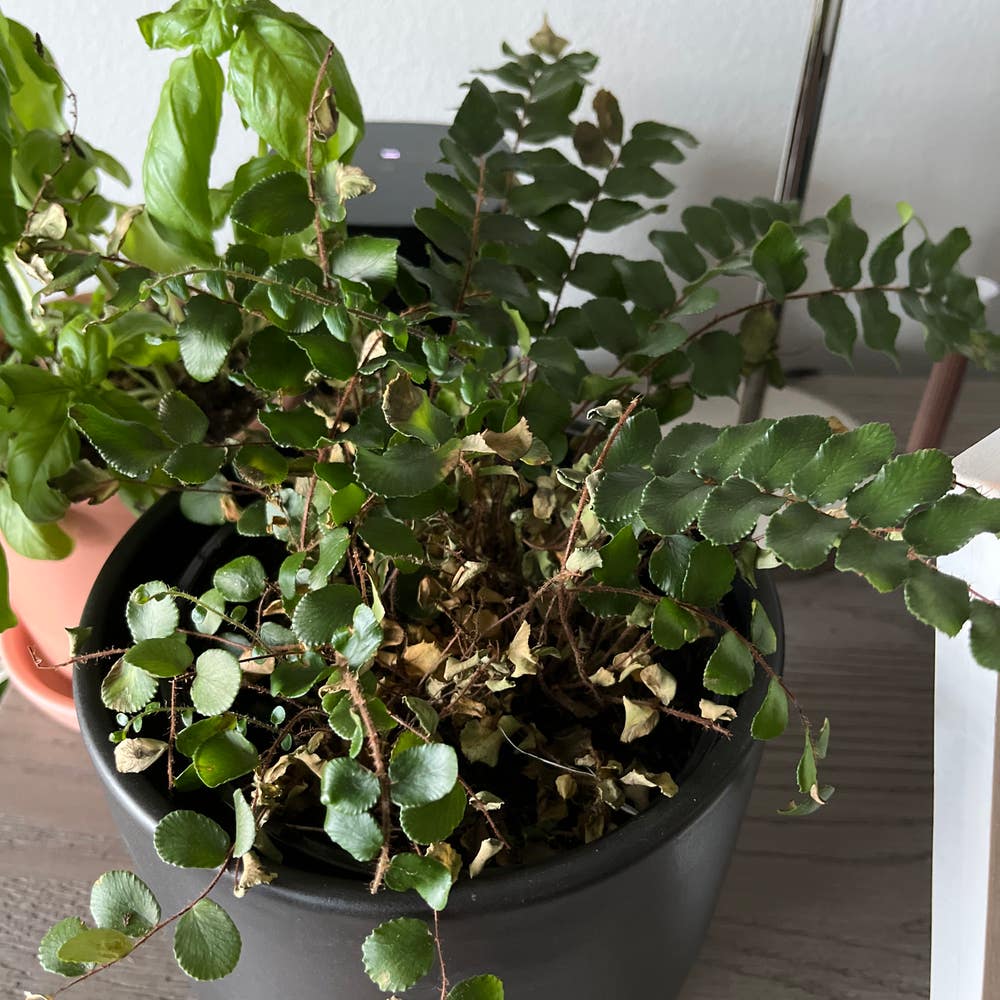
Fronds changing color to a sickly yellow or brown are broadcasting their thirst. They should be a vibrant green, not reminiscent of autumn's last stand.
🖐️ Tactile and Weight Clues
The pot's heft is a dead giveaway. A pot that feels as light as your conscience after a good deed means the soil is dry.
Perform the heft test: lift the pot. If it's lighter than your pet cat's disdainful glance, it's time to water.
Remember, a thirsty Button Fern is not a subtle creature. Its signals are as clear as day, and with a little attention, you'll keep it from becoming a botanical cautionary tale.

Watering Rhythms and Techniques
💧 Creating a Watering Schedule
Typical watering frequency for Pellaea rotundifolia is a balancing act. These ferns prefer consistent moisture without becoming waterlogged. A good thumb rule is to water when the top inch of soil feels dry. However, this isn't a one-size-fits-all schedule.
Adjusting the watering schedule based on your home environment is crucial. Factors like humidity, temperature, and light exposure play a role. If your air is Sahara-dry or your fern basks in a sunbeam, you'll be reaching for the watering can more often. Conversely, in a dim, cool room, your Button Fern won't be as thirsty.
🌊 Mastery of Watering Methods
Bottom watering versus top watering is the plant equivalent of a spa day versus a quick shower. Bottom watering, where the pot sits in water allowing the soil to soak up moisture, encourages deep root growth and can prevent over-watering. But it’s not all rainbows; it can be a hassle and may not wet the entire soil column if done incorrectly.
Top watering is the classic pour-from-above. It's straightforward but can compact the soil over time and doesn't always saturate the soil evenly.
Misting: is it a botanical blessing or just hype? For Button Ferns, misting can boost humidity, which they love. But it's no substitute for proper watering. Use it as a side dish, not the main course.

Soil and Pot Considerations
🌱 Choosing the Right Soil Mix
Well-draining soil is non-negotiable for your Pellaea rotundifolia. Aim for a mix that strikes a balance between moisture retention and drainage. Perlite, coarse sand, and pine bark are your go-to ingredients for that perfect mix. If your soil clings to water like a stage-five clinger, it's time to intervene. Compaction is a red flag—roots need to breathe, not swim.
🚰 Signs Your Soil Isn't Draining Properly
When water pools on the surface like a mini lake, you've got a problem. If your plant's leaves start throwing shade by turning yellow, it's likely the soil's too wet. A quick fix? Mix in some coarse sand or perlite to up your drainage game.
🏺 Pot Size and Material
Size matters—small pots dry out faster, so if you're forgetful, go bigger. Material-wise, terracotta is the MVP for moisture regulation, letting soil breathe and preventing overwatering mishaps. Plastic may be low maintenance, but it's also a helicopter parent, holding onto moisture for dear life.
💧 How Pot Size Affects Watering Frequency
A tiny pot is like a tiny bladder—it needs frequent trips to the watering can. Upsize your pot, and you'll space out those waterings. It's all about finding that sweet spot where your Button Fern feels just right.
🌿 The Best Materials for Pots to Regulate Moisture
Terracotta and unglazed ceramic pots are the thirsty plants' best pals—they wick away excess moisture, reducing the risk of root rot. Plastic and glazed pots are the helicopter parents of the pot world; they hover and hold onto moisture. Choose wisely based on how much hand-holding your Button Fern needs.

Seasonal Shifts in Watering
🌞 Summer and Winter Watering
In the summer heat, your Pellaea rotundifolia's thirst ramps up. It's a bit like us sweating more when it's hot outside—we need more water, and so does your fern. On the flip side, winter's chill means your fern is more like a bear hibernating, sipping water slowly. Dial back on watering frequency as growth slows down.
Recognizing Environmental Cues
Keep an eye on your home's microclimate. A fern basking in a sunny window or near a heat source might need more frequent watering, even in winter. But if it's chilling in a cool, shady corner, it'll need less. Watch for cues like crispy air from your AC in summer or dry heat from radiators in winter to guide your watering hand.
Spring and Autumn Transitions
As spring unfurls, so does your Button Fern's need for water. It's waking up, stretching its fronds, and getting ready for a growth spurt. Increase watering gradually as you notice new growth. Come autumn, the reverse is true. Your fern starts to wind down, so ease up on the hydration. It's about finding that sweet spot before the dormancy of winter sets in.
Preparing for Seasonal Shifts
Acclimatize your Button Fern to the changing seasons. Don't shock it with sudden changes; introduce new watering patterns as gradually as the seasons themselves change. It's not just about the calendar; it's about observing your plant and responding to its subtle hints that it's time to switch things up.
⚠️ Safety First
This content is for general information and may contain errors, omissions, or outdated details. It is not medical, veterinary advice, or an endorsement of therapeutic claims.
Always consult a qualified healthcare professional before using any plant as food, medicine, or supplement.
Never eat any plant (or feed one to pets) without confirming its identity with at least two trusted sources.
If you suspect poisoning, call Poison Control (800) 222-1222, the Pet Poison Helpline (800) 213-6680, or your local emergency service immediately.
Spotted an error? Please report it here.
Keep your Button Fern perky and hydrated 🌿 with Greg's custom watering plan that adapts to your home's unique environment and the plant's seasonal needs.