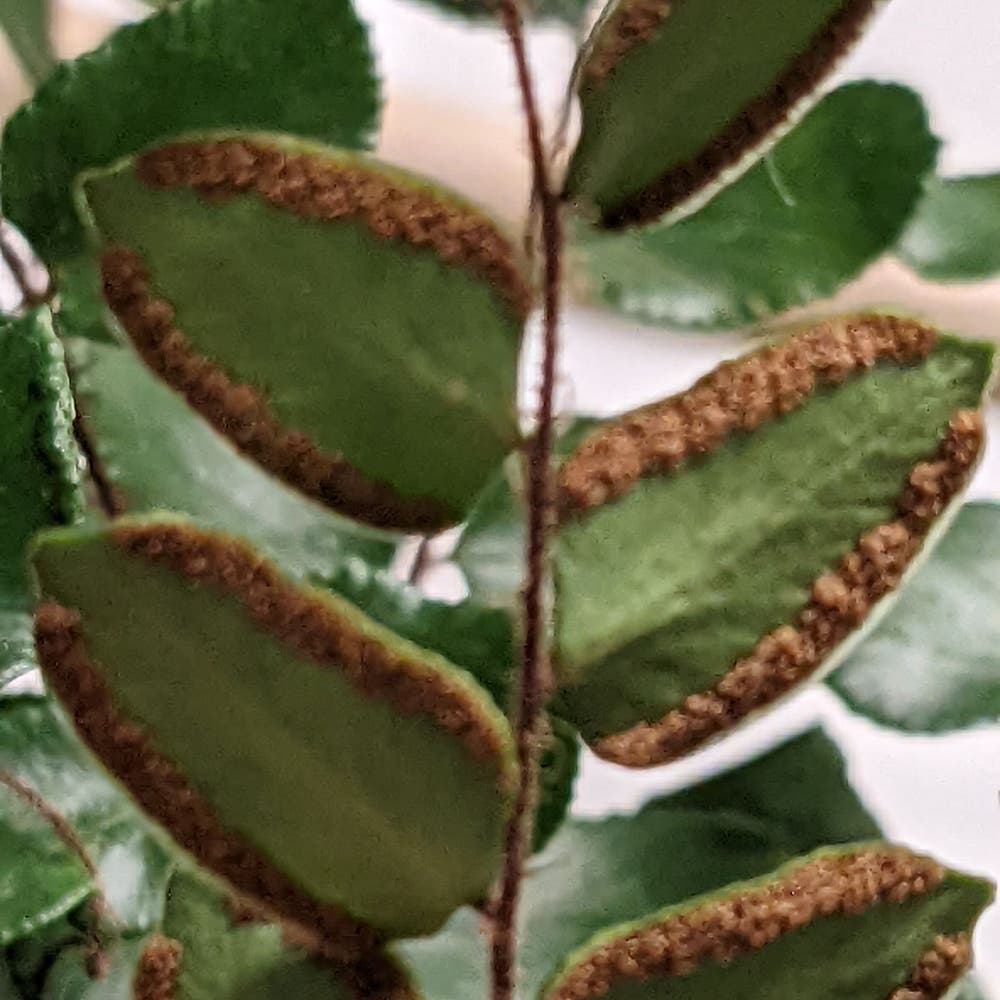
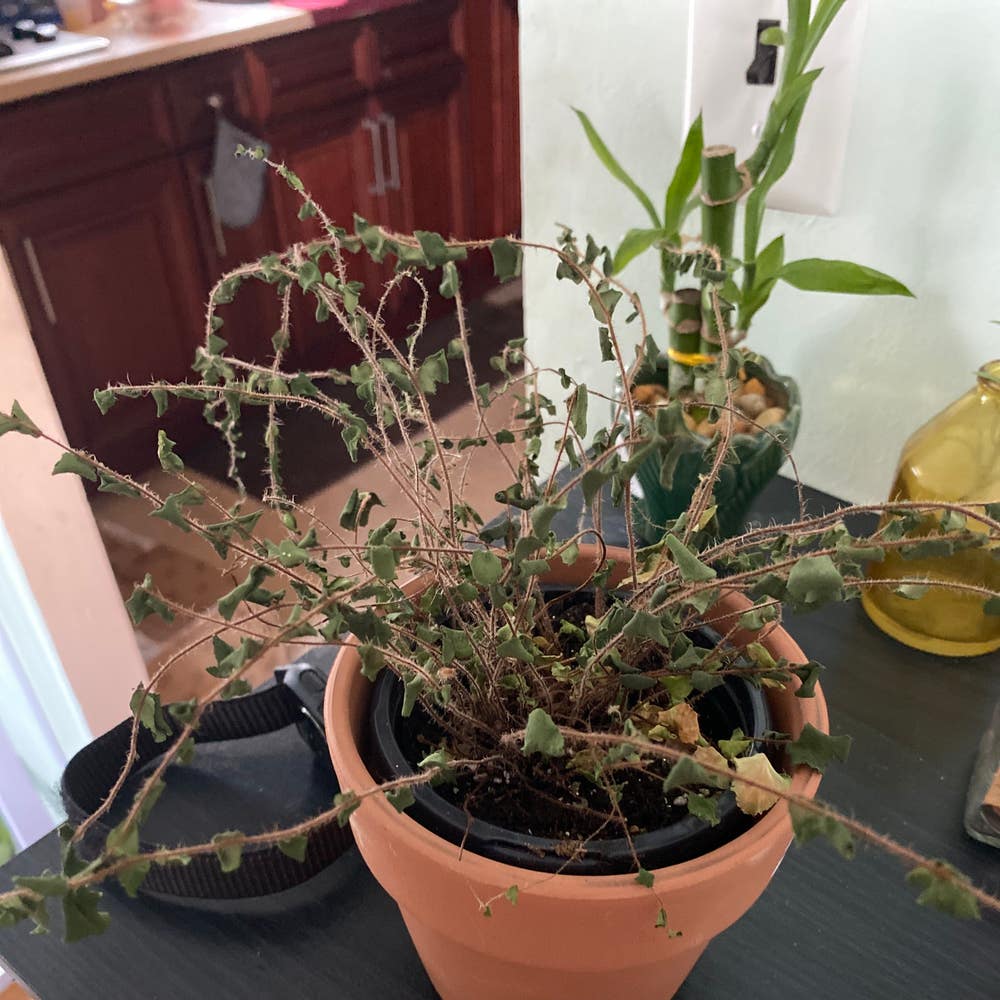
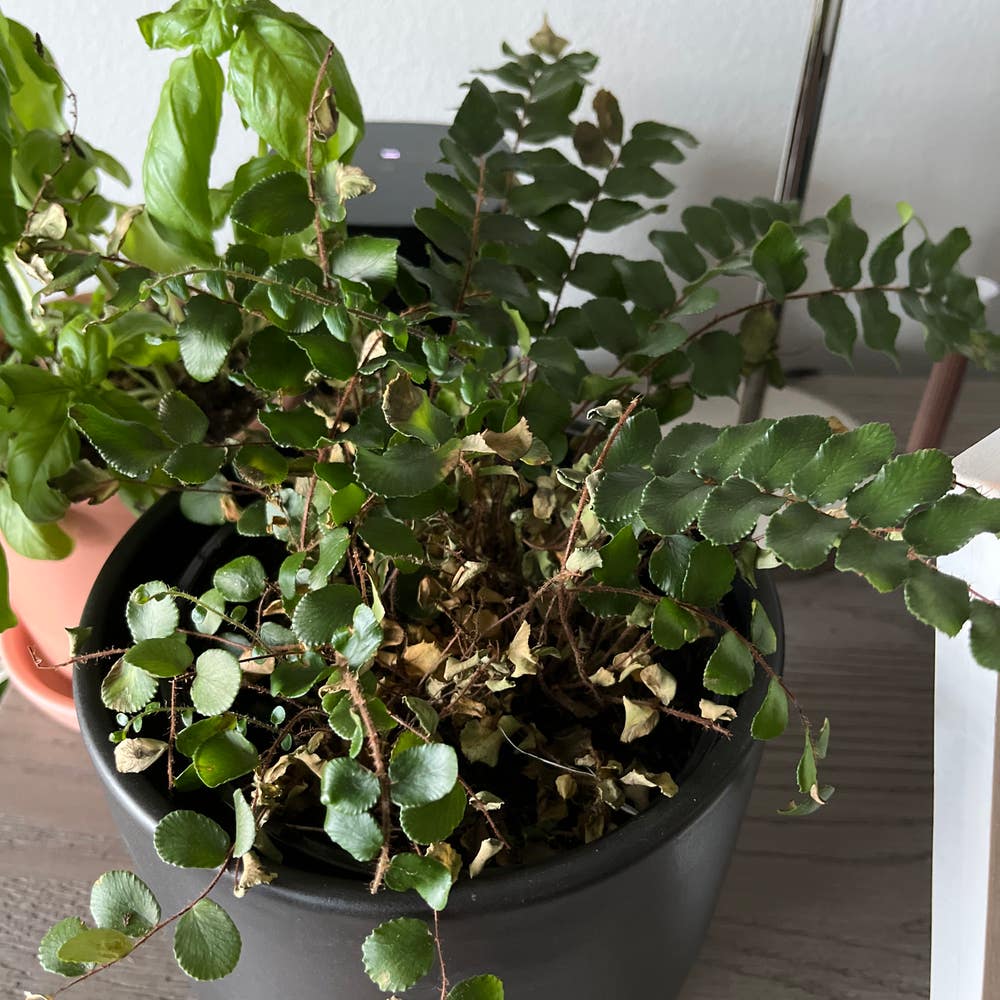
👆 All About Your Finger Fern's Roots
Hemionitis rotundifolia
By the Greg Editorial Team
Oct 16, 2024•5 min read
This article was created with the help of AI so we can cover more plants for you. May contain errors. See one? Report it here.
- 🌱 Finger Ferns have rhizomatous roots for horizontal growth and adaptability.
- 💧 Humidity and well-draining soil are crucial for healthy Finger Fern roots.
- ⚠️ Signs of unhealthy roots include dark, mushy roots; act quickly to save your plant.
Root System Characteristics
🌱 Rhizomatous Roots
Rhizomatous roots are horizontal underground stems that enable your Finger Fern to spread and adapt effectively. This unique structure allows the plant to thrive in various environments.
🔍 Characteristics of Rhizomatous Roots
These roots are remarkable for several reasons:
- They produce new shoots and roots from nodes along the rhizome, promoting healthy growth.
- The rhizomes provide stability and support, anchoring the plant firmly in the soil.
- They enhance nutrient and water absorption, ensuring your fern remains vibrant and lush.
Understanding these characteristics is essential for nurturing your Finger Fern. By recognizing how rhizomatous roots function, you can better care for your plant and help it flourish in your home.
As we delve deeper into the root system, let’s explore the typical patterns of root depth and spread.
Root Depth and Spread
Typical Patterns 🌱
The Finger Fern typically boasts a shallow root depth, ranging from 6 to 12 inches. This compact root system allows it to thrive in various environments while extending horizontally up to 2-3 feet, depending on the soil conditions.
Growth Influences 🌧️
Humidity and soil moisture play crucial roles in the fern's growth. When planted in well-draining, moist soil, the Finger Fern exhibits vigorous growth, showcasing its adaptability and resilience.
Understanding these root characteristics is essential for nurturing a healthy Finger Fern. With the right conditions, you can ensure your fern flourishes beautifully.
Next, let’s explore how to effectively water and fertilize your Finger Fern for optimal growth.
Watering and Fertilizing
💧 Watering Needs
Finger ferns have shallow roots, making them particularly sensitive to overwatering. To keep your plant happy, aim for consistently moist soil, but avoid sogginess.
🌱 Fertilizing Considerations
When it comes to fertilizing, a balanced, water-soluble fertilizer works wonders during the growing season. Apply it every 4-6 weeks, but be sure to adjust based on how your roots are responding.
Maintaining proper watering and fertilizing routines is crucial for your Finger Fern's health. With the right care, your plant will thrive and flourish, setting the stage for the next topic on common root issues.
Common Root Issues
Identifying Problems 🕵️♂️
Root health is crucial for your Finger Fern's vitality. One of the most common issues is root rot, which stems from overwatering and poor drainage.
Pests like nematodes and root aphids can also wreak havoc on your fern's roots. These tiny invaders can weaken the plant and hinder its growth.
Prevention and Solutions 🛠️
To keep your Finger Fern thriving, ensure it has well-draining soil and pots with drainage holes. This simple step can prevent many root-related problems.
Regularly inspect the roots during transplanting. This allows you to catch any issues early and take action.
If you do encounter root rot, consider using organic fungicides for treatment. They can help restore your plant's health without harsh chemicals.
Root Health Indicators
👀 Visual Cues for Healthy Roots
Healthy roots are typically firm and exhibit a white or light tan color. They should also have no foul odor, indicating that they are thriving.
Abundant roots spreading throughout the pot are another positive sign. This indicates that your Finger Fern is well-established and actively growing.
⚠️ Signs of Unhealthy Roots
On the flip side, dark, mushy roots are a red flag. If you notice a strong smell accompanying these roots, it’s time to take action.
Sparse root growth or visible pests can also signal trouble. These indicators suggest that your plant may be struggling and needs immediate attention.
Recognizing these signs early can make all the difference in maintaining a healthy Finger Fern. By keeping an eye on root health, you can ensure your plant continues to flourish.
Next, let’s explore how to identify and address rootbound conditions.
Recognizing Rootbound Conditions
📖 Definition and Signs
Rootbound conditions occur when a plant's roots grow in a circular pattern, restricting its growth. You can spot this issue if you see roots emerging from drainage holes, experience stunted growth, or notice wilting even when the plant is adequately watered.
🛠️ Solutions for Rootbound Plants
If you find your Finger Fern rootbound, there are effective solutions to help it thrive again.
Transplanting into a Larger Pot (difficulty: moderate)
- Choose a pot that is 1-2 inches larger in diameter than the current one.
- Gently loosen the roots before placing the plant in fresh soil to encourage new growth.
Root Pruning (difficulty: hard)
- Trim back excessively long roots to stimulate new growth.
- Always use sterilized tools to prevent introducing diseases.
By addressing rootbound conditions promptly, you can ensure your Finger Fern continues to flourish and adapt. Next, let’s explore the importance of root health in propagation.
Importance of Root Health in Propagation
Healthy roots are essential for successful propagation of your Finger Fern. Understanding how to care for these roots can significantly enhance your plant's growth and vitality.
Best Practices for Dividing 🌱
Timing: The best time to divide your Finger Fern is in spring or early summer. This timing aligns with the plant's natural growth cycle, promoting quicker recovery.
Method:
- Start by carefully removing the plant from its pot. Take your time to avoid damaging the roots.
- Use a clean, sharp knife to divide the rhizomes. Ensure each section has both roots and fronds for optimal growth.
- Replant immediately in suitable soil and water thoroughly. This helps the plant settle into its new environment quickly.
By following these best practices, you can ensure that your Finger Fern thrives after propagation. Healthy roots lead to robust plants, making your gardening efforts rewarding.
As you continue to explore the intricacies of your Finger Fern, understanding root health will pave the way for effective care and maintenance.
⚠️ Safety First
This content is for general information and may contain errors, omissions, or outdated details. It is not medical, veterinary advice, or an endorsement of therapeutic claims.
Always consult a qualified healthcare professional before using any plant as food, medicine, or supplement.
Never eat any plant (or feed one to pets) without confirming its identity with at least two trusted sources.
If you suspect poisoning, call Poison Control (800) 222-1222, the Pet Poison Helpline (800) 213-6680, or your local emergency service immediately.
Spotted an error? Please report it here.
Unlock the secret to your Finger Fern's root vitality 🌿 with Greg's tailored care reminders and watering plans, ensuring your plant thrives in any environment!