How Do I Fix Pellaea Rotundifolia Root Rot?
Hemionitis rotundifolia
By the Greg Editorial Team
Jun 18, 2024•3 min read
This article was created with the help of AI so we can cover more plants for you. May contain errors. See one? Report it here.
- Yellow leaves and mushy roots signal Pellaea rotundifolia root rot.
- Immediate action: prune rotten roots, use well-draining soil.
- Prevent recurrence with proper watering, soil, and environmental conditions.
Spotting the Trouble: Identifying Root Rot in Pellaea Rotundifolia
🚩 Visual Red Flags
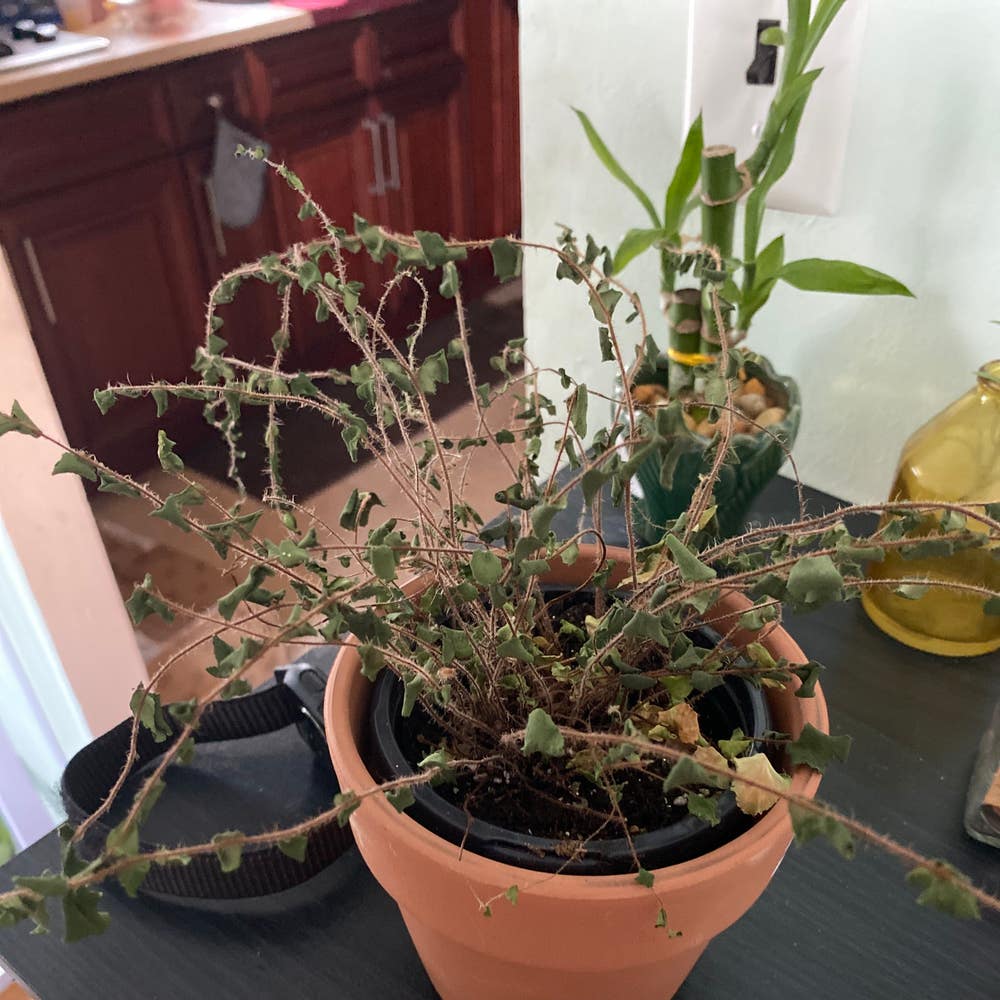
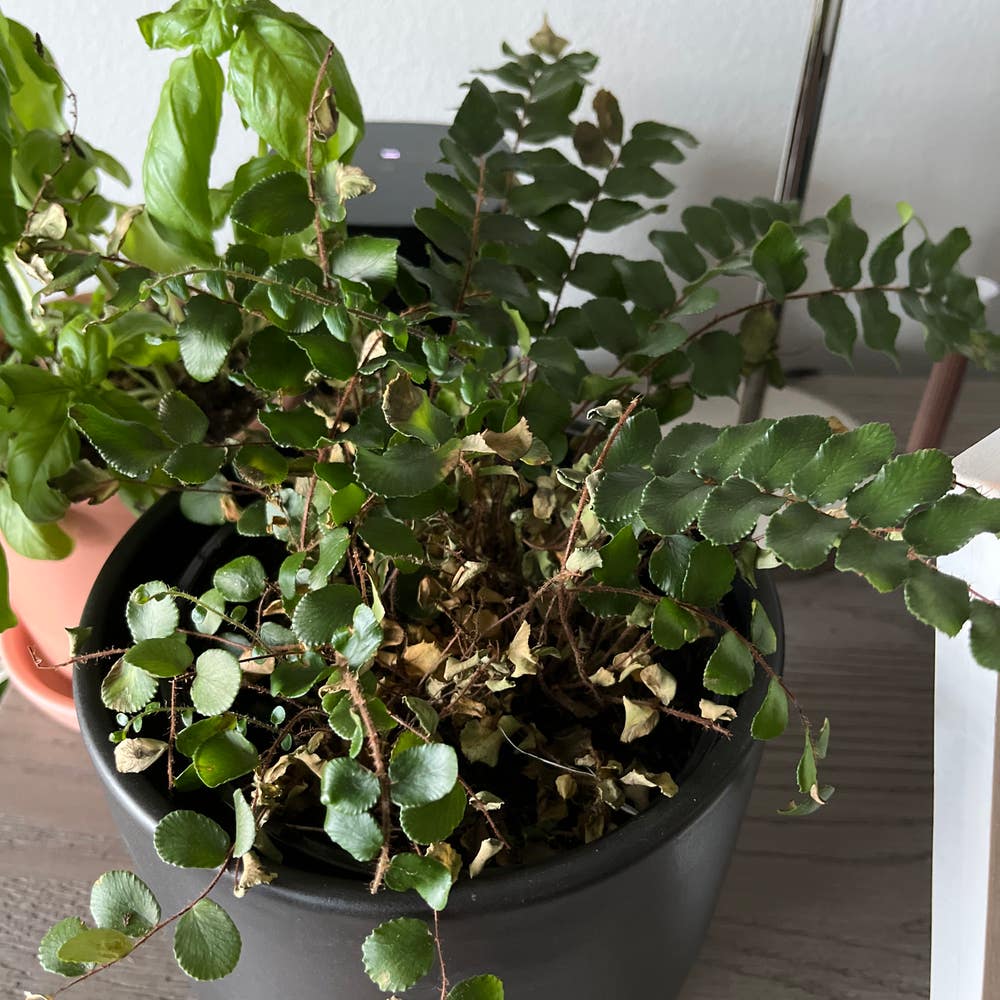
Yellowing leaves and wilting are your Pellaea rotundifolia's version of a distress signal. When these symptoms appear, it's high time for a root inspection.
Mushy, discolored roots are the equivalent of finding mold in your favorite loaf of bread—unpleasant and a sign of deeper issues. Roots should be firm and white, not soft or brown.
👃 The Smell Test
A distinctive odor emanating from the soil is the plant's way of crying foul. If your nose wrinkles at the scent of the soil, trust your senses; root rot could be the culprit.
Remember, a healthy Pellaea rotundifolia won't stink up the place. If the soil smells more like a swamp than a garden, it's time for action.

Taking Action: Treating Root Rot in Pellaea Rotundifolia
🚑 First Response
Root rot in your Pellaea rotundifolia is like a bad haircut: immediate action can save the day. First, gently lift the plant from its pot, shaking off excess soil to expose the roots. Healthy ones look like fresh spaghetti, while the rotten ones are more like mushy zucchini. Snip the bad parts with sterilized shears, leaving only the firm, white roots behind. It's like giving your plant a life-saving haircut.
💧 Soil and Water Overhaul
Next, it's time for a soil swap. Mix a well-draining concoction, think of it as a new bed for your plant. A blend of peat, perlite, and sand should do the trick. When it comes to watering, think of it as a strong espresso—only give it what it needs. Overwatering is the fast lane back to root rot city.
🍄 Fungal Foes: Applying Fungicides
If you're seeing more fungi than a mushroom festival, consider a fungicide. Consult with a plant expert to find the right one and follow the label like it's a treasure map. Apply it as directed, and remember, this isn't a one-time deal. Keep an eye out for any signs of a fungal encore.

Building Defenses: Preventing Future Root Rot
💧 Water Wisdom
Watering is a balancing act. Overdo it, and you're asking for trouble; underdo it, and your Pellaea rotundifolia might throw a fit. Check the soil before watering—only proceed if it's dry to the touch. Think of watering as a targeted strike rather than a carpet bombing; your plant will thank you.
🌱 Soil and Pot Perfection
Well-draining soil is your plant's best friend. Mix in some perlite or vermiculite to keep things airy. As for pots, if it doesn't have drainage holes, it's a no-go. Roots despise soggy living conditions. It's like forcing them to wear wet socks, and nobody likes that.
🌿 Creating the Ideal Environment
Light, humidity, and airflow are the holy trinity for your Pellaea rotundifolia's well-being. Avoid extremes; your plant isn't a fan of sunbathing or shadow lurking. Keep the air moving to ward off any stagnant, moisture-loving demons. And humidity? Aim for that sweet spot where the air isn't too dry or mimicking a rainforest.

⚠️ Safety First
This content is for general information and may contain errors, omissions, or outdated details. It is not medical, veterinary advice, or an endorsement of therapeutic claims.
Always consult a qualified healthcare professional before using any plant as food, medicine, or supplement.
Never eat any plant (or feed one to pets) without confirming its identity with at least two trusted sources.
If you suspect poisoning, call Poison Control (800) 222-1222, the Pet Poison Helpline (800) 213-6680, or your local emergency service immediately.
Spotted an error? Please report it here.
Combat root rot and foster a thriving environment 🌿 for your Pellaea rotundifolia with Greg's tailored watering reminders and expert community advice.