🌞 Is Direct Sunlight Good for My Pellaea rotundifolia?
Hemionitis rotundifolia
By the Greg Editorial Team
Jun 18, 2024•3 min read
This article was created with the help of AI so we can cover more plants for you. May contain errors. See one? Report it here.
- 🌿 Pellaea rotundifolia thrives in bright, indirect light, not direct sun.
- Window direction affects light intensity; east or north-facing is best.
- Use sheer curtains to protect from strong sunlight and prevent leaf scorch.
Sunlight Decoded: Pellaea rotundifolia Edition
🌞 What Exactly is Direct Sunlight?
Direct sunlight is the unfiltered star of the show, beaming straight onto your plants without mercy. Indirect sunlight is its shy cousin, present but milder, like the diffused glow of a cloudy day. For your Pellaea rotundifolia, also known as button fern, understanding this difference is like knowing your coffee order—it's essential.
🌿 Pellaea rotundifolia's Sunlight Preferences
Does Pellaea rotundifolia soak up the sun or shy away? It's a tropical native, thriving under the dappled light of forest canopies. In your home, it seeks a similar vibe—bright but indirect light. Too much direct sun is a no-go; it's like giving a speech under a spotlight when you're really a behind-the-scenes kind of star.

When Windows Play a Role
⛅️ The Window Compass: Navigating Sunlight at Home
Your Pellaea rotundifolia doesn't have a favorite band, but if it did, it'd be a fan of The Sunbeams. Window direction is its concert ticket to that daily gig. East-facing windows are the opening act with a soft morning light, while west-facing ones are the headliners, blasting the afternoon's greatest hits. If your Pellaea could talk, it might ask for a backstage pass to the east for that gentle start to its day.
🌍 Hemisphere Hints: Seasonal Sunlight Shifts
Now, let's get geographical. If you're chilling in the Northern Hemisphere, south-facing windows are your plant's best friend, offering a full-day pass to the sunlight festival. But if you're hanging out with the penguins down in the Southern Hemisphere, it's the north-facing windows that are the VIP section. Remember, as the seasons drop new tracks, the sun's tour route changes, and so should your Pellaea's spot in the audience.

Spotting the Signs: Pellaea rotundifolia Talks Sunlight
🌞 Happy Plant, Happy Life: Signs of Perfect Sunlight Harmony
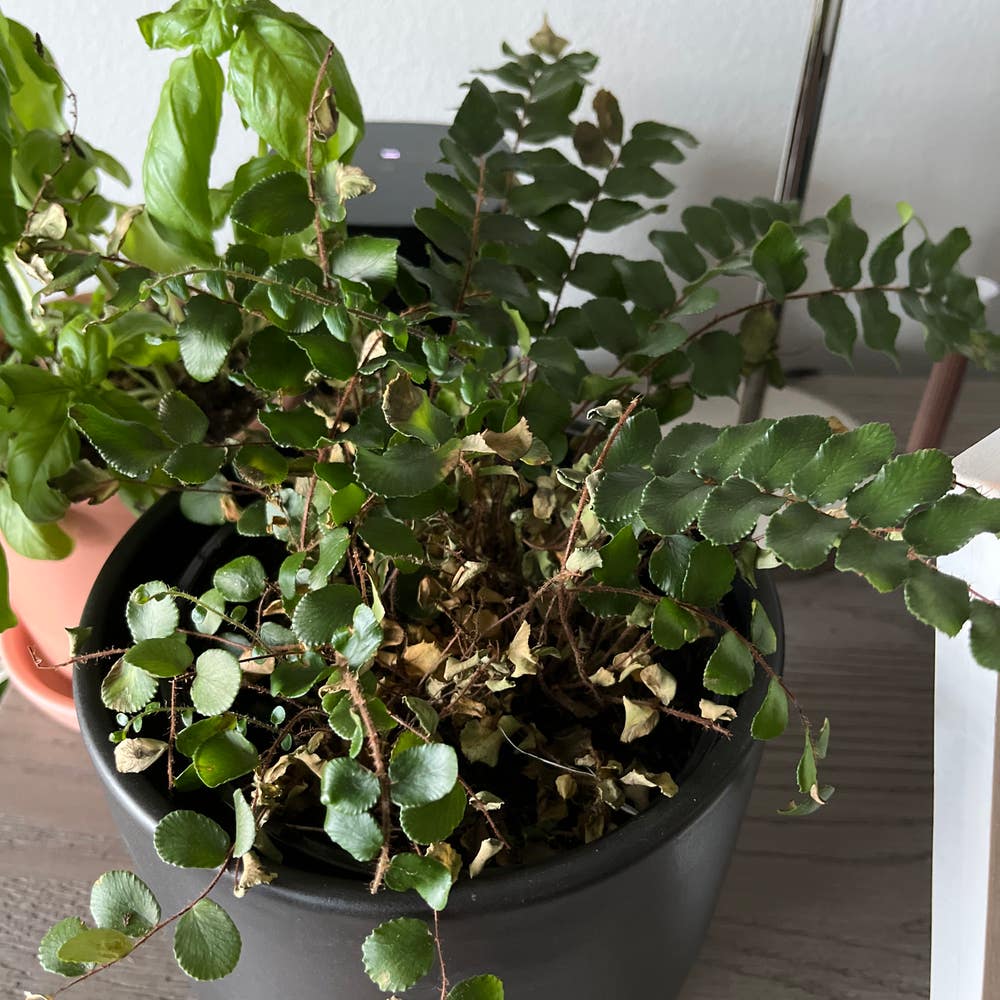
When your Pellaea rotundifolia is basking in just the right amount of light, it's a sight to behold. The fronds are lush, the color is a vibrant green, and the growth is robust and even. It's like the plant is giving you a thumbs up for nailing its care routine.
🆘 SOS from Your Plant: When the Sun is Too Strong
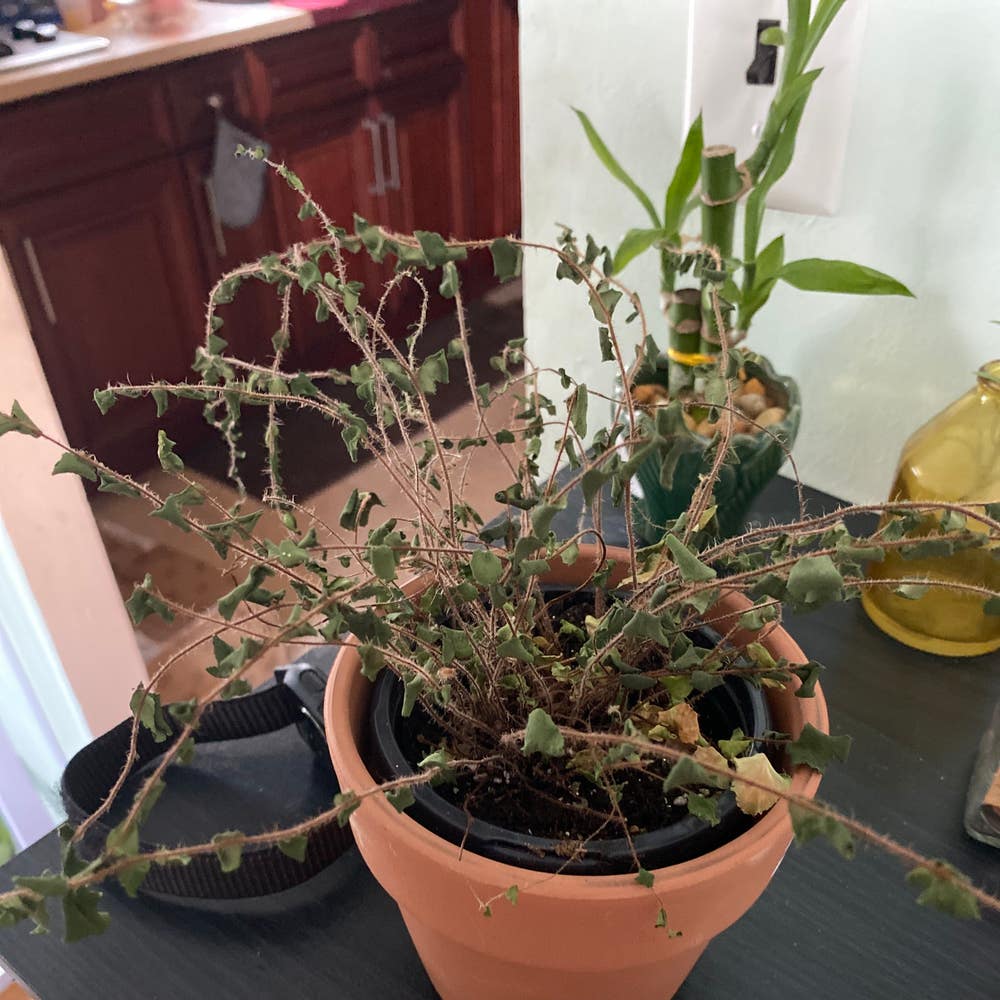
Scorched tips or a yellowing palette on your Pellaea rotundifolia's leaves are its way of crying out for help. These are the red flags that the sun's love is turning into a bit of a burn. If you spot brown patches, it's past the point of subtle hints; your plant is in outright distress. It's time to play plant doctor and reassess your sun strategy, pronto.

Sunlight Solutions: Keeping Pellaea rotundifolia Thriving
🌞 Creative Shading: Sheer Genius with Curtains
Sheer curtains: plant sunscreen. They cut the glare, letting your Pellaea rotundifolia bask without the risk of a sunburn. It's a game of protection and moderation.
💡 The Great Indoors: Finding the Sweet Spot
Your Pellaea rotundifolia's happy place isn't static—it moves. Rotate your plant, ensuring even exposure to light. A strategic shuffle away from intense rays can prevent the dreaded leaf scorch.
⚠️ Safety First
This content is for general information and may contain errors, omissions, or outdated details. It is not medical, veterinary advice, or an endorsement of therapeutic claims.
Always consult a qualified healthcare professional before using any plant as food, medicine, or supplement.
Never eat any plant (or feed one to pets) without confirming its identity with at least two trusted sources.
If you suspect poisoning, call Poison Control (800) 222-1222, the Pet Poison Helpline (800) 213-6680, or your local emergency service immediately.
Spotted an error? Please report it here.
Achieve perfect sunlight harmony 🌞 for your Pellaea rotundifolia with Greg's reminders to rotate your plant, ensuring vibrant growth without the guesswork.