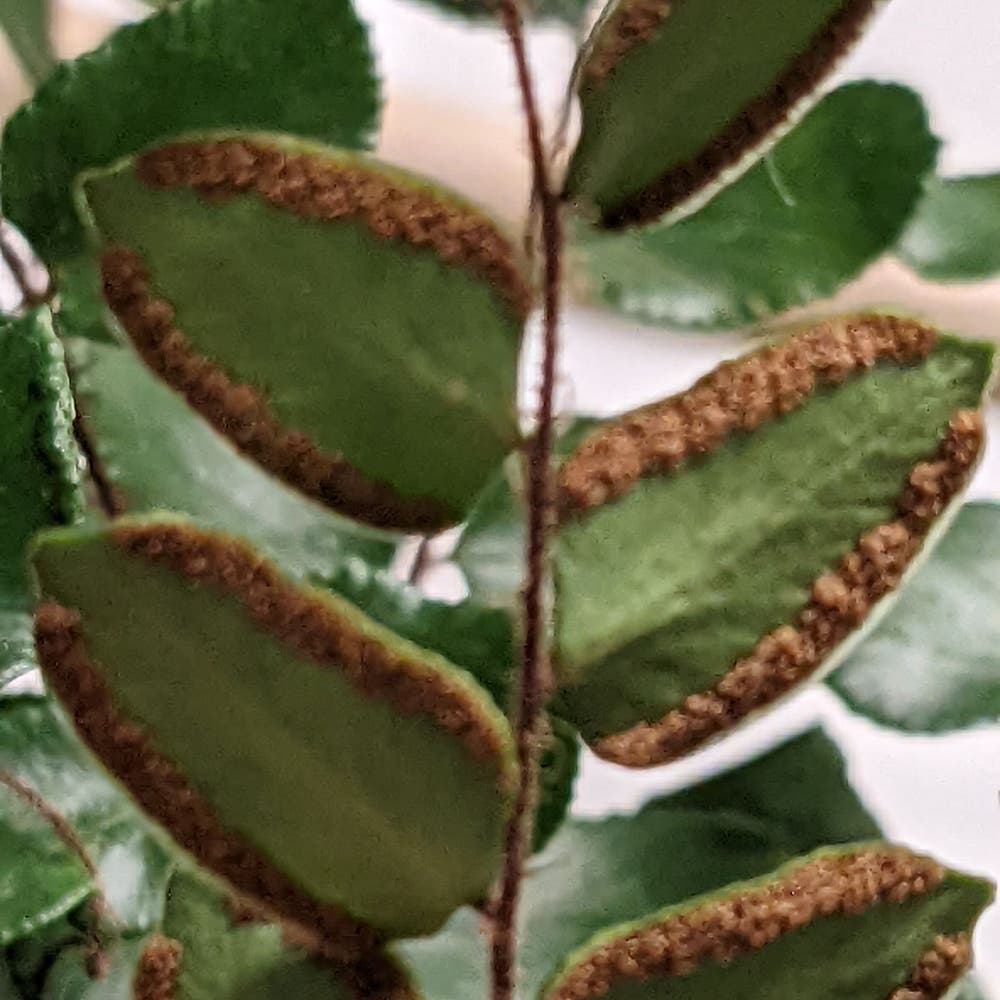
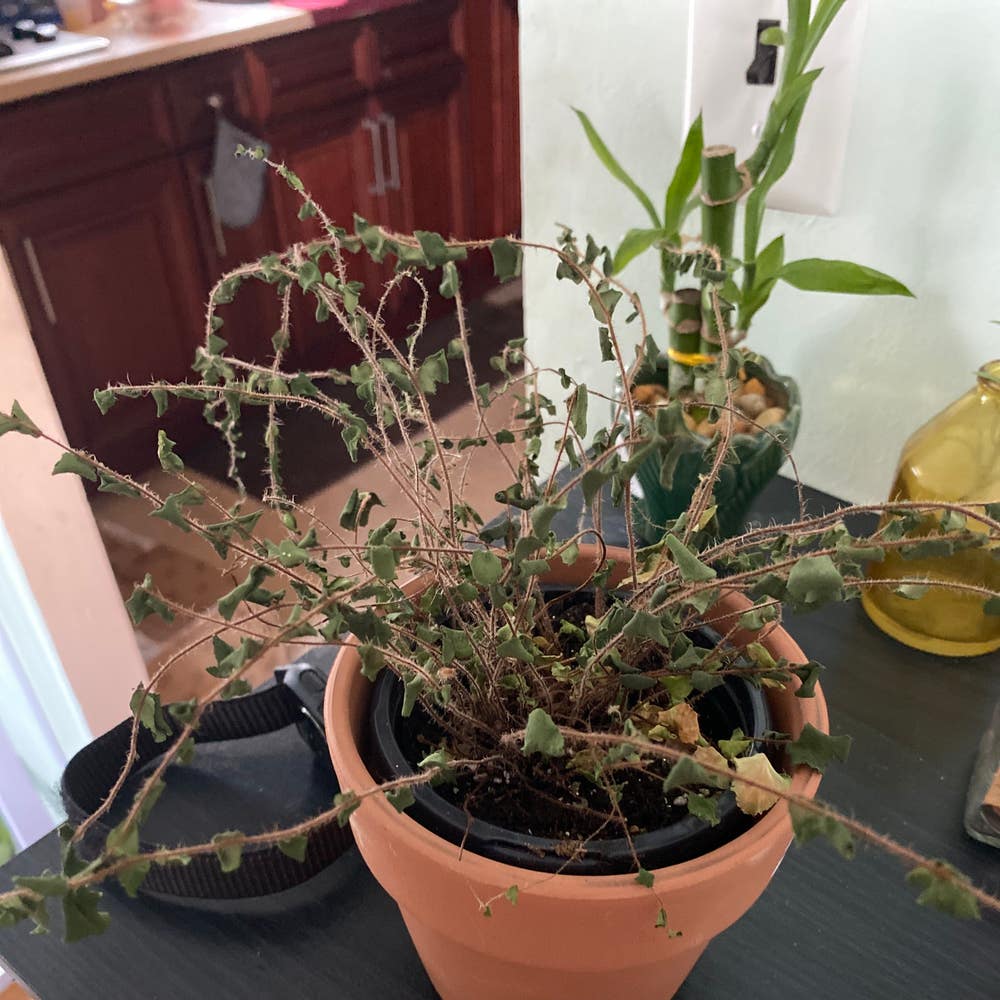
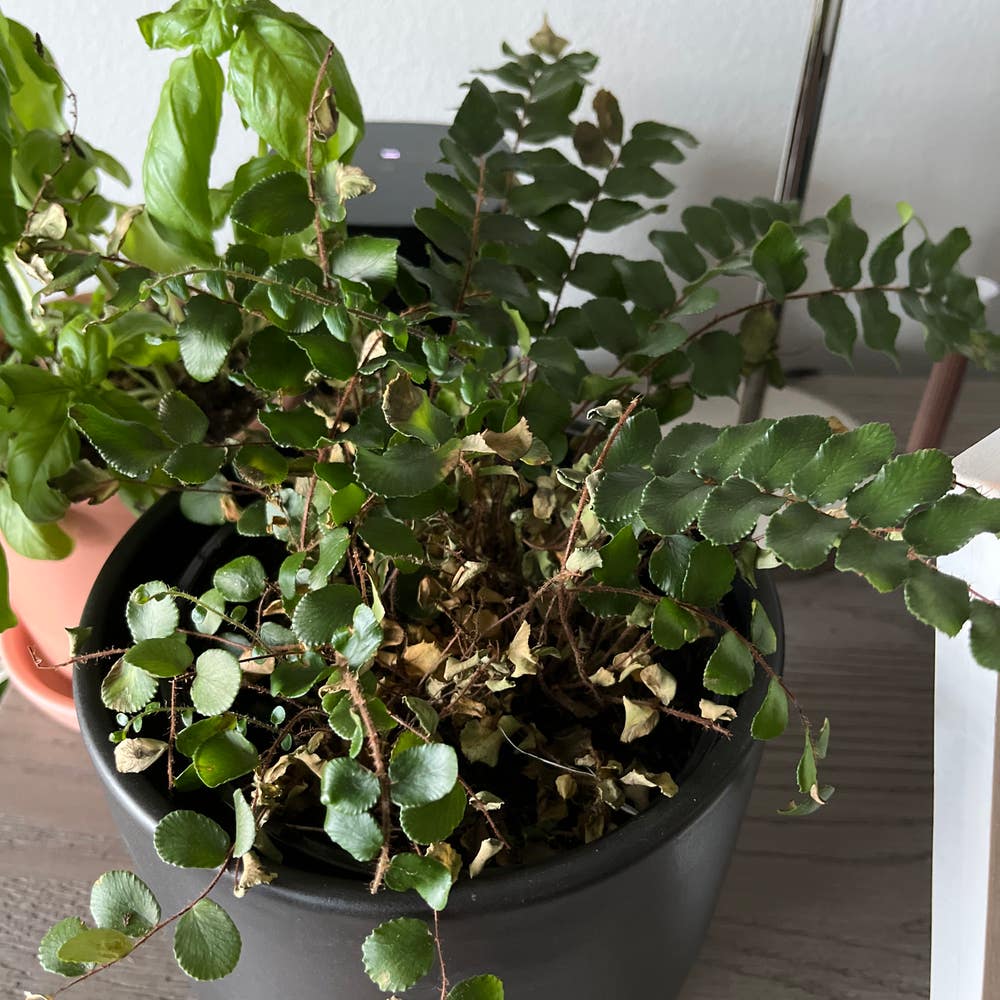
6 Tips for Growing Finger Fern Outdoors 👉
Hemionitis rotundifolia
By the Greg Editorial Team
Oct 16, 2024•5 min read
This article was created with the help of AI so we can cover more plants for you. May contain errors. See one? Report it here.
- 🌳 Finger ferns thrive in shaded areas, needing 4-6 hours of indirect sunlight daily.
- 💧 Water every 1-2 weeks; adjust based on climate to prevent yellowing leaves.
- 🌱 Use well-draining, organic-rich soil for optimal growth and moisture retention.
Sunlight and Location
Ideal Sunlight Conditions 🌤️
Finger ferns thrive in shaded or partially shaded areas. Aim for 4-6 hours of indirect sunlight daily to keep them healthy and vibrant.
If your ferns start showing yellowing fronds or stunted growth, it’s a sign they’re not getting enough light. Adjust their placement to ensure they receive the right amount of sunlight.
Choosing the Right Location 🌳
The best spots for finger ferns are under trees or in garden beds that offer filtered light. This not only protects them from harsh sun but also enhances their natural beauty.
When selecting a location, consider the compatibility with other shade-loving plants. Avoid direct afternoon sun to prevent leaf burn, which can damage your ferns and hinder their growth.
With the right sunlight and location, your finger ferns will flourish. Next, let’s explore how to meet their watering and soil requirements for optimal growth.
Watering and Soil Requirements
Watering Frequency and Techniques 🌊
To keep your finger fern thriving, water it every 1-2 weeks, adjusting based on your local climate. Deep watering is key; it encourages robust root growth and helps the plant absorb moisture effectively.
Watch for signs of overwatering, like yellowing leaves or root rot. These indicators can signal that your fern is getting too much water, so be mindful of your watering habits.
Best Soil Types 🌱
Finger ferns prefer well-draining soil rich in organic matter. Aim for a slightly acidic to neutral pH, ideally between 6.0 and 7.0, to create the perfect environment for growth.
Consider adding compost or peat moss to your soil mix. These amendments enhance moisture retention, ensuring your fern has the hydration it needs without becoming waterlogged.
Importance of Drainage 🚰
Good drainage is crucial for finger ferns. Poor drainage can lead to root rot and fungal diseases, which can quickly harm your plant.
To improve drainage, consider using raised beds or mixing perlite into your soil. These methods help prevent water from pooling around the roots, promoting a healthier fern.
As you focus on watering and soil, remember that these foundational elements set the stage for your fern's overall health. Next, let’s explore the best practices for fertilization to keep your finger fern flourishing.
Fertilization
🌱 Recommended Fertilizers
When it comes to fertilizing your finger fern, choosing the right type is crucial. Balanced NPK fertilizers, like a 10-10-10 mix, or organic options such as fish emulsion, can provide the nutrients your fern needs.
Slow-release fertilizers are particularly beneficial. They ensure a steady supply of nutrients over time, promoting sustained growth without overwhelming the plant.
⏰ Timing and Frequency
Establishing a fertilization schedule is key to your fern's health. Aim to fertilize every 6-8 weeks during the growing season for optimal results.
Keep an eye out for signs of nutrient deficiency. Pale fronds and slow growth can indicate that your fern needs a nutrient boost, so don’t hesitate to adjust your fertilization routine accordingly.
With the right fertilization practices, your finger fern will thrive, setting the stage for healthy growth and vibrant foliage. Next, let’s explore the best planting options for your fern, whether in containers or directly in the ground.
Planting Options
Container vs. Ground Planting 🌱
When deciding between container and ground planting for your finger fern, consider the unique benefits of each. Container planting offers flexibility in placement, allowing you to move your ferns to optimal light conditions or protect them from harsh weather.
On the other hand, planting in the ground provides natural moisture retention. However, this option comes with less control over soil conditions and potential pest issues. Weigh these pros and cons carefully to find the best fit for your gardening style.
Choosing the Right Option 🏡
Assessing your available space and light conditions is crucial. If you have limited space or variable light, containers might be your best bet.
Additionally, consider your climate zone and potential frost exposure. Understanding these factors will help you make an informed decision that supports your finger fern's growth and health.
With the right planting option, you can set your finger fern up for success in your outdoor space.
Protection and Maintenance
🌨️ Weather Protection Strategies
Frost can be a real threat to your finger ferns. To protect them, cover your plants with frost cloth or bring container plants indoors during chilly nights.
Extreme heat can also stress your ferns. Providing shade during scorching temperatures helps keep them healthy and thriving.
🐛 Managing Outdoor Pests
Common pests like aphids, slugs, and snails can wreak havoc on your ferns. Regularly check your plants for these intruders to catch infestations early.
For pest control, consider using organic insecticides, hand-picking pests, or setting up barriers to keep them at bay.
🦠 Identifying and Treating Diseases
Finger ferns can fall victim to diseases such as root rot, leaf spot, and powdery mildew. Keeping an eye on your plants will help you spot these issues before they escalate.
Improving air circulation around your ferns and practicing proper watering techniques can significantly reduce disease risks.
🍂 Seasonal Care Tips
As the seasons change, so should your care routine. Adjust your watering frequency and fertilization schedule to match the needs of your ferns throughout the year.
When winter approaches, prepare your plants by mulching and using protective coverings, especially in colder climates. This helps ensure your ferns survive the chill.
By following these protection and maintenance tips, you can create a thriving environment for your finger ferns. Next, let’s explore the best practices for fertilization to keep your plants nourished and flourishing.
⚠️ Safety First
This content is for general information and may contain errors, omissions, or outdated details. It is not medical, veterinary advice, or an endorsement of therapeutic claims.
Always consult a qualified healthcare professional before using any plant as food, medicine, or supplement.
Never eat any plant (or feed one to pets) without confirming its identity with at least two trusted sources.
If you suspect poisoning, call Poison Control (800) 222-1222, the Pet Poison Helpline (800) 213-6680, or your local emergency service immediately.
Spotted an error? Please report it here.
Transform your outdoor space into a finger fern paradise 🌱 with Greg's tailored care reminders that help you master light, water, and nutrients for lush growth!