Why Are There Brown Spots on My Pellaea rotundifolia Leaves?
Hemionitis rotundifolia
By the Greg Editorial Team
Jun 18, 2024•3 min read
This article was created with the help of AI so we can cover more plants for you. May contain errors. See one? Report it here.
- Over/underwatering causes brown spots: Adjust watering for plant health.
- Fungal infections and pests: Use fungicides and insecticidal soap.
- Regular inspections prevent spots: Monitor moisture, prune, and ensure airflow.
Spotting the Trouble: Identifying and Diagnosing Brown Spots
🕵️ What Do Brown Spots Look Like?
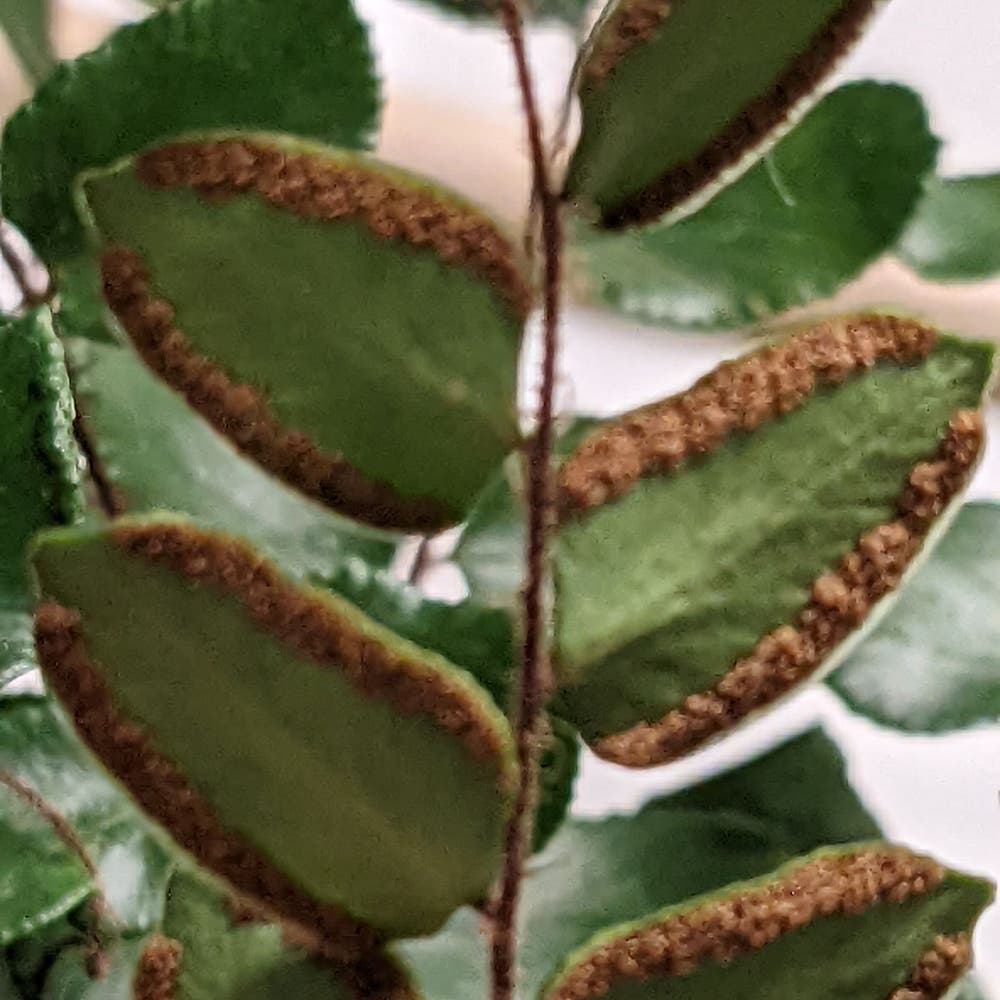
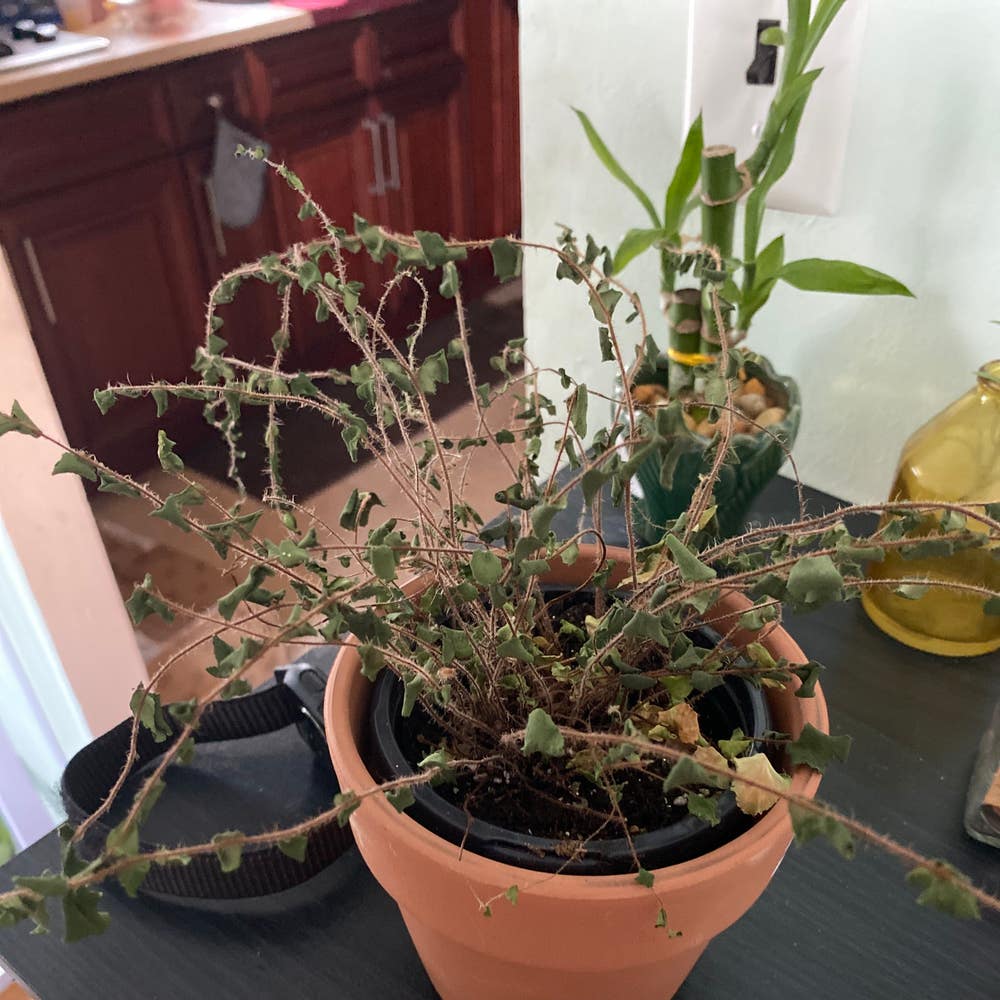
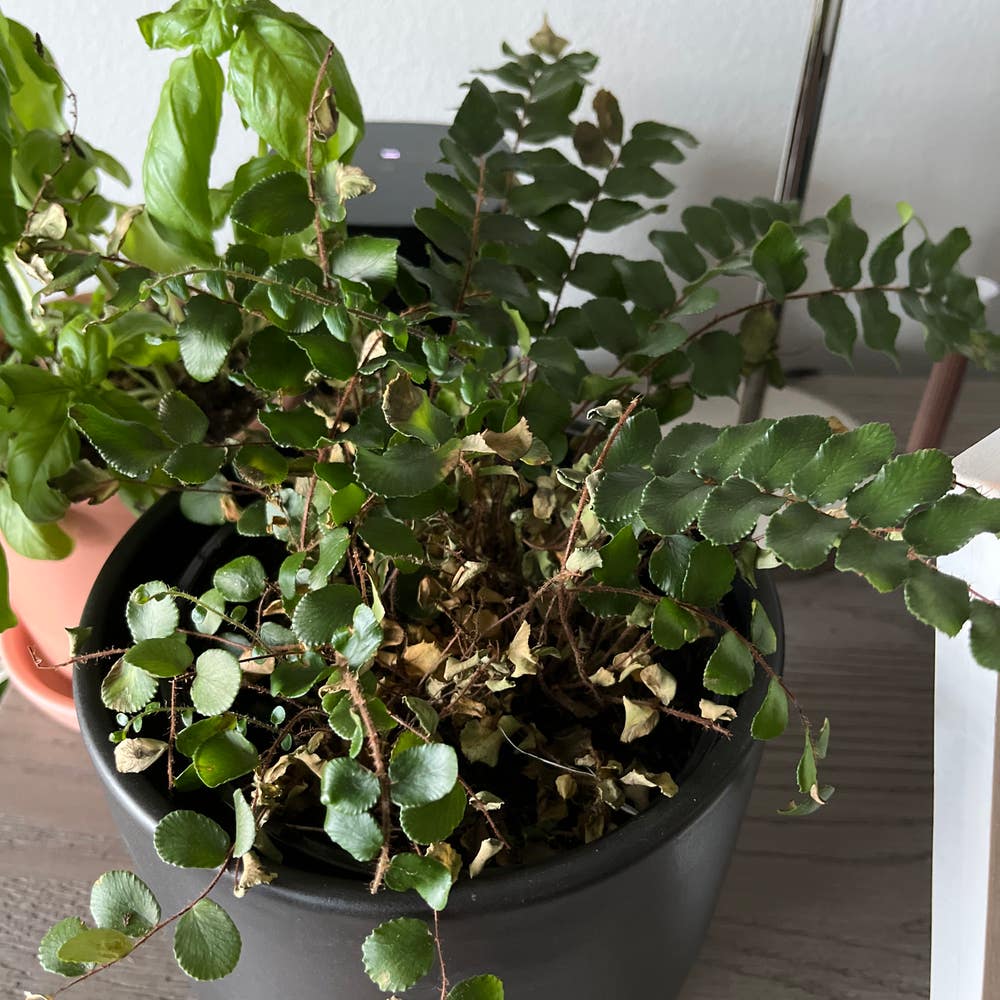
Shape, size, and pattern are your first clues in the brown spot investigation. They might be tiny specks or large blotches, uniform or scattered like a constellation. Some spots come with a colorful halo, others are just plain brown. The location is also telling—topside or underside, center or edge?
👮 Common Culprits Behind the Spots
Overwatering is a prime suspect, often leaving behind soft, dark, and sometimes mushy spots. It's a classic case of too much love. On the flip side, underwatering turns leaves into crispy critters, with dry, brown edges.
Then there are the fungal foes—spots with halos or concentric rings, the kind that thrive in high humidity and poor air circulation. And don't overlook pests; they leave behind sticky residue or webbing, along with their own brand of brown spots.
Environmental stress can also be the villain, causing brown discoloration with a distinct pattern or location on the leaf. It's like the plant's way of saying, "I'm not okay with this temperature drama."
Remember, the texture of the spot matters—soft and squishy or dry and brittle? It's a tactile clue. And weight—a waterlogged pot feels like lifting a small boulder. Keep these details in mind, and you're well on your way to solving the brown spot mystery.

First Aid for Your Fern: Treating Brown Spots
💧 Drying Out: When Less is More
Fine-tuning your watering routine is crucial. Overzealous hydration can drown your Pellaea rotundifolia's roots, leading to those dreaded brown spots. Let the soil's top layer dry out before you even think about another watering session. It's not about withholding love; it's about giving tough love.
💦 Quenching the Thirst: Hydration without Harm
On the flip side, don't turn your fern's world into a desert. Underwatering stresses your plant out, leaving it parched and prone to browning. Balance is key. Ensure consistent moisture without turning the pot into a swamp.
🐜 Evicting Invaders: Fungus and Pest Control
If you've got bugs or fungus, it's time to gear up. Insecticidal soap takes care of the creepy crawlies, while a good fungicide addresses those fungal party crashers. Keep your garden tools clean; it's like washing your hands in flu season—prevention is better than cure.

Keeping Spots at Bay: Prevention Strategies
💧 Water Wisdom: Perfecting Your Pour
Finding the watering sweet spot is crucial for Pellaea rotundifolia. Overzealous watering can lead to root rot, while too little leaves your fern gasping. Check the soil before each watering—moisture meters or the trusty finger test work wonders. Remember, your fern's thirst varies with the seasons.
💨 Humidity Harmony: Creating a Comfort Zone
Humidity can make or break your Pellaea rotundifolia's health. Aim for a balanced environment—not too muggy, not too arid. Use a hygrometer to monitor levels. If it's too dry, consider a pebble tray or humidifier. In damp conditions, a dehumidifier can save the day. It's about creating a cozy microclimate without turning your home into a tropical storm or a desert.
👩🌾 Vigilant Plant Parenting: Regular Check-ups
Stay on top of your plant's needs with routine inspections. Early morning watering gives leaves time to dry, thwarting fungal invaders. Ensure good airflow and avoid wetting the foliage—think precision, not a splash zone. Pruning helps too, promoting circulation and deterring pests. It's like being a plant detective, always on the lookout for clues of distress.

⚠️ Safety First
This content is for general information and may contain errors, omissions, or outdated details. It is not medical, veterinary advice, or an endorsement of therapeutic claims.
Always consult a qualified healthcare professional before using any plant as food, medicine, or supplement.
Never eat any plant (or feed one to pets) without confirming its identity with at least two trusted sources.
If you suspect poisoning, call Poison Control (800) 222-1222, the Pet Poison Helpline (800) 213-6680, or your local emergency service immediately.
Spotted an error? Please report it here.
Keep your Pellaea rotundifolia's leaves spot-free 🍂 by letting Greg tailor your watering schedule to prevent those brown blemishes and ensure plant perfection!