🌼 4 Perfect Spots to Plant Your Button Fern
Hemionitis rotundifolia
By the Greg Editorial Team
Oct 11, 2024•3 min read
This article was created with the help of AI so we can cover more plants for you. May contain errors. See one? Report it here.
- 🌞 Button Ferns thrive in indirect sunlight, needing 4-6 hours daily for optimal growth.
- 🌱 Well-draining, organic-rich soil is essential to prevent root rot and promote health.
- 🌿 Maintain spacing of 12-18 inches between plants to avoid competition and ensure thriving.
Ideal Locations for Button Fern
☀️ Sunlight Exposure Requirements
Finding the right sunlight exposure is crucial for your Button Fern's health. Aim for indirect sunlight or partial shade, ideally 4-6 hours daily, to mimic its natural under-canopy habitat.
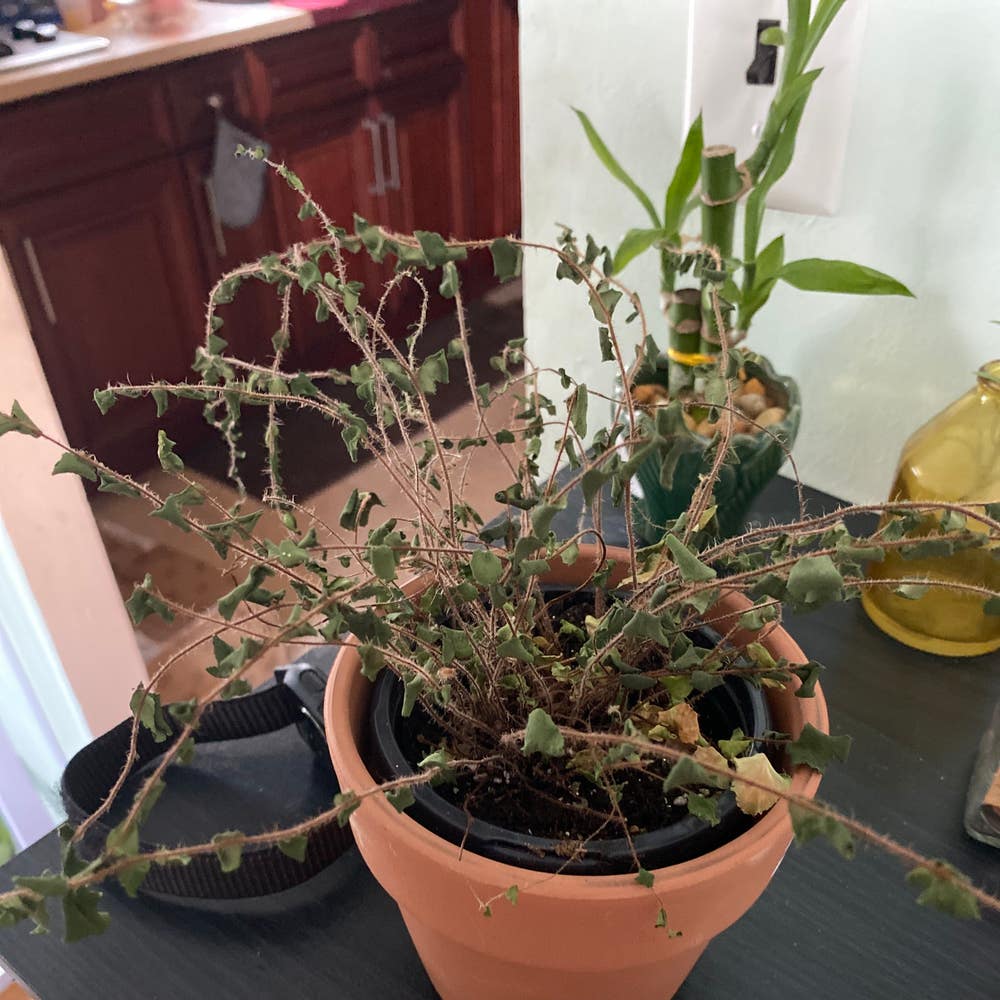
Watch for signs of inadequate sunlight, such as stunted growth or yellowing leaves. These indicators can help you adjust the fern's placement for optimal health.
🌱 Soil Conditions
Ideal Soil Type and Composition
Button Ferns thrive in well-draining soil rich in organic matter. The ideal pH range for their growth is between 6.0 and 7.0.
To enhance moisture retention and nutrient content, consider incorporating peat moss or compost into the soil. This simple amendment can significantly boost your fern's vitality.
Drainage Needs and Solutions
Proper drainage is vital for preventing root rot in Button Ferns. Without it, your fern may struggle to thrive.
To improve drainage, consider planting in raised beds or mounds outdoors. For indoor planting, always use pots with drainage holes. If you notice water pooling around the roots or wilting leaves, these are clear signs of poor drainage that need immediate attention.
🌿 Proximity to Other Plants and Structures
Companion Planting
Companion planting can greatly benefit your Button Fern. It enhances humidity levels and provides much-needed shade.
Recommended companions include other ferns, shade-tolerant perennials, or ground covers. Just ensure there's adequate airflow and light penetration to keep all plants healthy.
Avoiding Competition for Resources
Spacing is crucial to prevent overcrowding, which can lead to competition for nutrients and water.
Aim to plant your Button Fern at least 12-18 inches apart from other plants. This spacing allows each plant to thrive without competing for essential resources.
📍 Assessing and Choosing the Best Spot
Evaluating Light and Moisture Levels
To find the perfect spot for your Button Fern, assess both light and moisture levels. You can use a light meter or simply observe shadows throughout the day.
For moisture, check the soil before planting. The ideal condition is consistently moist soil that isn’t waterlogged, ensuring your fern has the right environment to flourish.
Long-term Growth Considerations
Choosing the right spot is not just about immediate conditions; it’s also about long-term growth. Consider how changes in surrounding vegetation and seasonal light variations may affect your fern over time.
Plan for future growth by monitoring and adjusting the plant's placement as needed. This proactive approach will help ensure your Button Fern thrives for years to come.
With these guidelines, you're well on your way to creating the perfect environment for your Button Fern. Next, let’s explore how to care for your fern once it’s planted.
⚠️ Safety First
This content is for general information and may contain errors, omissions, or outdated details. It is not medical, veterinary advice, or an endorsement of therapeutic claims.
Always consult a qualified healthcare professional before using any plant as food, medicine, or supplement.
Never eat any plant (or feed one to pets) without confirming its identity with at least two trusted sources.
If you suspect poisoning, call Poison Control (800) 222-1222, the Pet Poison Helpline (800) 213-6680, or your local emergency service immediately.
Spotted an error? Please report it here.
Create the ideal habitat 🌱 for your Button Fern with Greg's tailored watering alerts and light evaluations, ensuring it thrives beautifully in your home!