☀️ Ultimate Guide to Direct Sunlight for Button Fern
Hemionitis rotundifolia
By the Greg Editorial Team
Oct 11, 2024•4 min read
This article was created with the help of AI so we can cover more plants for you. May contain errors. See one? Report it here.
- 🌿 Button Ferns thrive in shade; direct sunlight causes leaf burn and decline.
- 🌞 North-facing windows offer ideal indirect light; avoid intense south-facing exposure.
- 🔍 Monitor signs of stress like yellowing leaves to adjust light conditions promptly.
Button Fern and Sunlight Tolerance
🌞 Tolerance to Direct Sunlight
Can Button Fern tolerate direct sunlight? The answer is a resounding no. This delicate plant thrives in shaded environments, mirroring the conditions of its native habitats, where it finds refuge from harsh rays.
🔥 Effects of Direct Sunlight
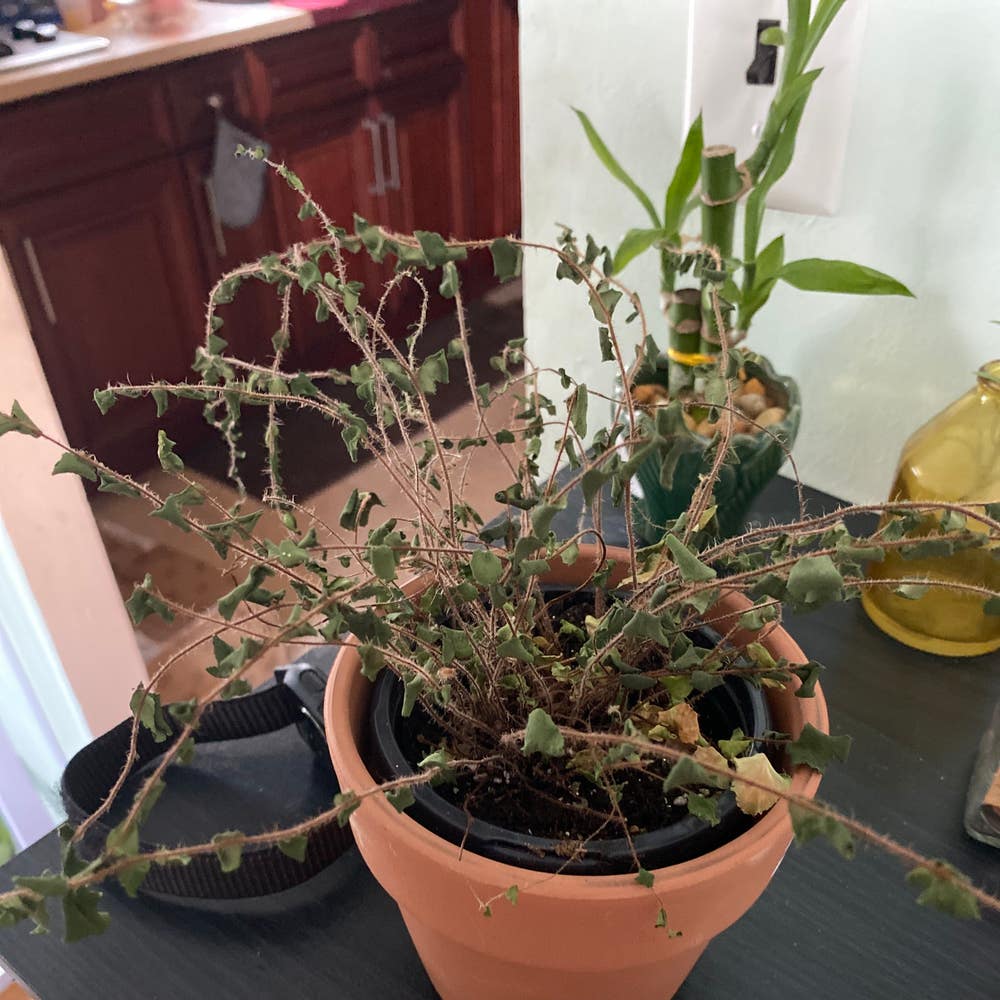
Direct sunlight can wreak havoc on Button Ferns. Leaves may suffer from leaf burn, turning brown and crispy, while excessive light can stunt growth and vitality, leaving your fern looking less than its best.
⚠️ Signs of Stress from Sunlight Exposure
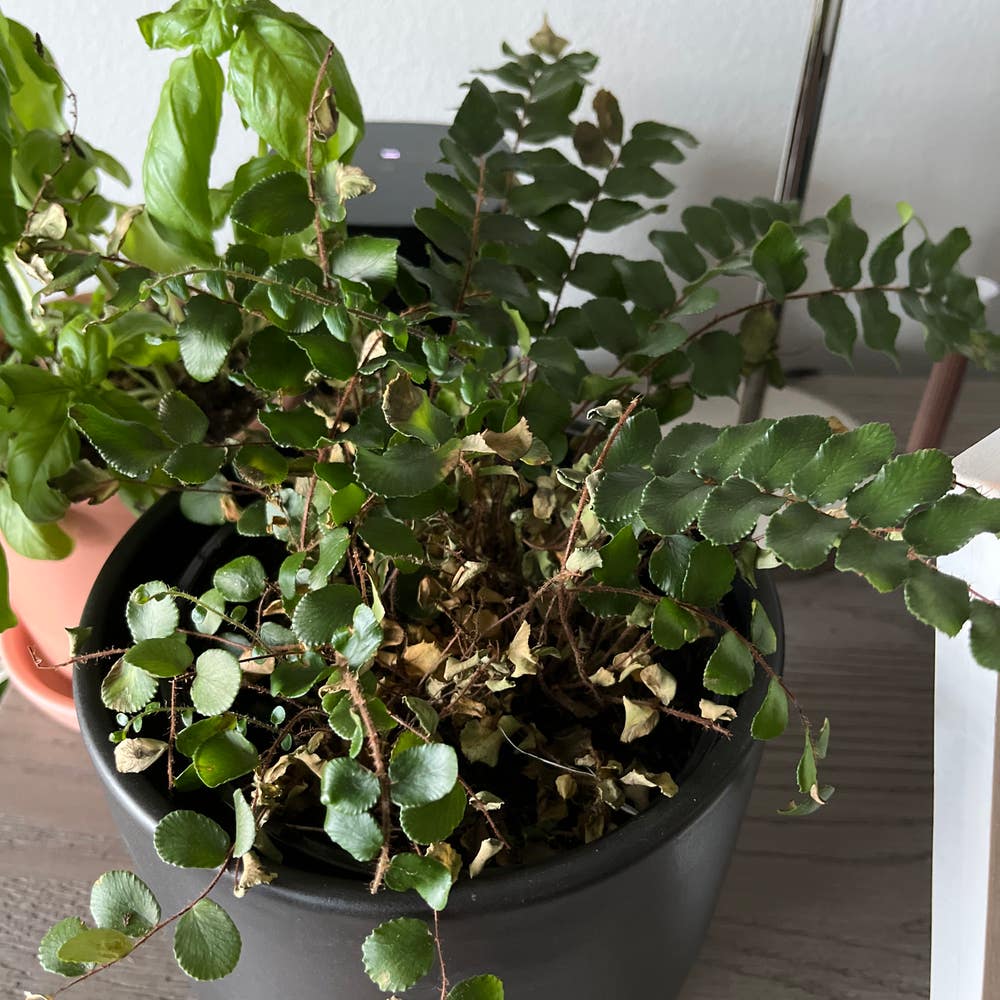
It's crucial to recognize the signs of stress from sunlight exposure. Visual indicators include yellowing leaves, wilting, and crispy leaf edges, which signal that your fern is not happy.
Behavioral changes are also telling; a slower growth rate and drooping fronds indicate that your Button Fern is struggling to cope with its environment.
Understanding these signs can help you take action before it's too late, ensuring your fern remains healthy and vibrant.
Window Direction and Sunlight
Best Window Directions 🌞
When it comes to Button Ferns, window direction plays a crucial role in their health. North-facing windows are your best bet, providing ideal indirect light that keeps these ferns thriving.
East-facing windows can also work, as they offer gentle morning sun. Just remember, this exposure should be brief to avoid stressing your plant.
Sunlight Variation by Hemisphere 🌍
Sunlight intensity varies significantly depending on your location. In the Northern Hemisphere, south-facing windows receive the most intense sunlight, which can be too harsh for Button Ferns.
Conversely, in the Southern Hemisphere, north-facing windows can expose your fern to more direct sunlight. Always consider your hemisphere when positioning your plants.
Seasonal Changes in Sunlight Exposure 🍂
Seasons affect sunlight exposure, so adjustments may be necessary. During summer, days are longer, and sunlight is stronger; this is the time to reassess your fern's placement.
In winter, days shorten, and light diminishes. You might need to reposition your Button Fern to ensure it still gets adequate light for healthy growth.
Understanding these factors will help you create the perfect environment for your Button Fern, ensuring it flourishes year-round. Next, let's explore practical tips for plant parents to optimize their fern care.
Practical Tips for Plant Parents
Assessing Sunlight in Your Home 🌞
To ensure your Button Fern thrives, start by observing the light patterns in your home throughout the day. This simple act can reveal how much indirect light your plant receives.
You can also use a light meter or a smartphone app to measure light intensity. These tools help you understand the specific conditions your fern is experiencing.
Adjusting Placement Based on Sunlight 🔄
If you notice signs of stress, like yellowing leaves or drooping fronds, consider moving your fern to a location with filtered light. This adjustment can make a significant difference in its health.
Experiment with different spots to find the best light exposure. Sometimes, a slight shift can lead to a happier, healthier plant.
Using Sheer Curtains or Blinds 🪟
Installing sheer curtains or adjustable blinds can be a game-changer for your Button Fern. These additions soften direct sunlight and protect sensitive leaves from potential damage.
With this simple implementation, you can create a more suitable environment for your fern while maintaining your home's aesthetic.
By following these practical tips, you'll be well on your way to nurturing a thriving Button Fern. Next, let's explore some common misconceptions about ferns and their sunlight needs.
Common Misconceptions
Myths About Ferns and Sunlight 🌿
One common myth is that all ferns thrive in direct sunlight. In reality, many ferns, including the Button Fern, prefer the gentle embrace of indirect light.
Light Needs of Ferns vs. Other Plants 💡
Ferns generally require less light than flowering plants. Understanding the specific light preferences of your plants is crucial for their optimal health and growth.
By recognizing these misconceptions, you can better care for your Button Fern and create a thriving environment. Next, let’s explore how to assess sunlight in your home effectively.
⚠️ Safety First
This content is for general information and may contain errors, omissions, or outdated details. It is not medical, veterinary advice, or an endorsement of therapeutic claims.
Always consult a qualified healthcare professional before using any plant as food, medicine, or supplement.
Never eat any plant (or feed one to pets) without confirming its identity with at least two trusted sources.
If you suspect poisoning, call Poison Control (800) 222-1222, the Pet Poison Helpline (800) 213-6680, or your local emergency service immediately.
Spotted an error? Please report it here.
Keep your Button Fern thriving 🌿 by using Greg's personalized care tips to ensure it gets the perfect amount of filtered light for optimal health!