Finger Fern: Not an Invasive Plant
Hemionitis rotundifolia
By the Greg Editorial Team
Oct 16, 2024•5 min read
This article was created with the help of AI so we can cover more plants for you. May contain errors. See one? Report it here.
- 🌱 Finger Fern is non-invasive, promoting local biodiversity and ecosystem health.
- 🌿 Ideal for shaded areas, it thrives in moist, well-draining soil with low maintenance.
- 🐞 Supports beneficial insects, enhancing pest control and contributing to a balanced ecosystem.
Plant Classification
Definition of Invasive Plants 🌱
Invasive plants are characterized by their rapid growth, aggressive spread, and detrimental effects on local ecosystems. They often outcompete native species, disrupting the balance of biodiversity.
In contrast, the Finger Fern is non-invasive. It features a slow growth rate, limited spread potential, and lacks aggressive reproductive strategies, making it a gentle addition to any garden.
Comparison with Invasive Fern Species 🌿
Unlike invasive ferns that can dominate landscapes, the Finger Fern maintains a modest presence. This non-invasive nature allows it to coexist peacefully with native flora, promoting a healthier ecosystem.
Choosing non-invasive plants like the Finger Fern supports sustainable gardening practices. By selecting plants that enhance rather than harm local biodiversity, gardeners can create vibrant, balanced landscapes.
Growth Habits
Typical Growth Patterns in Gardens 🌿
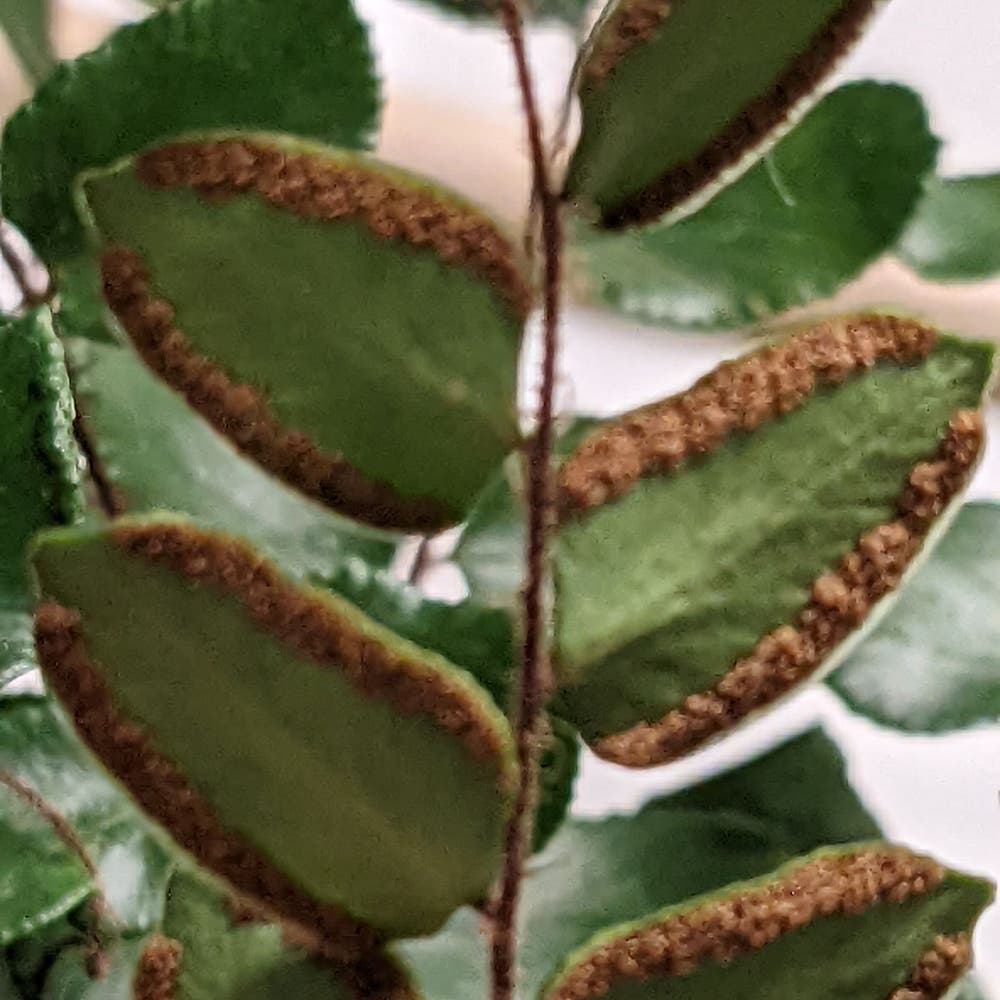
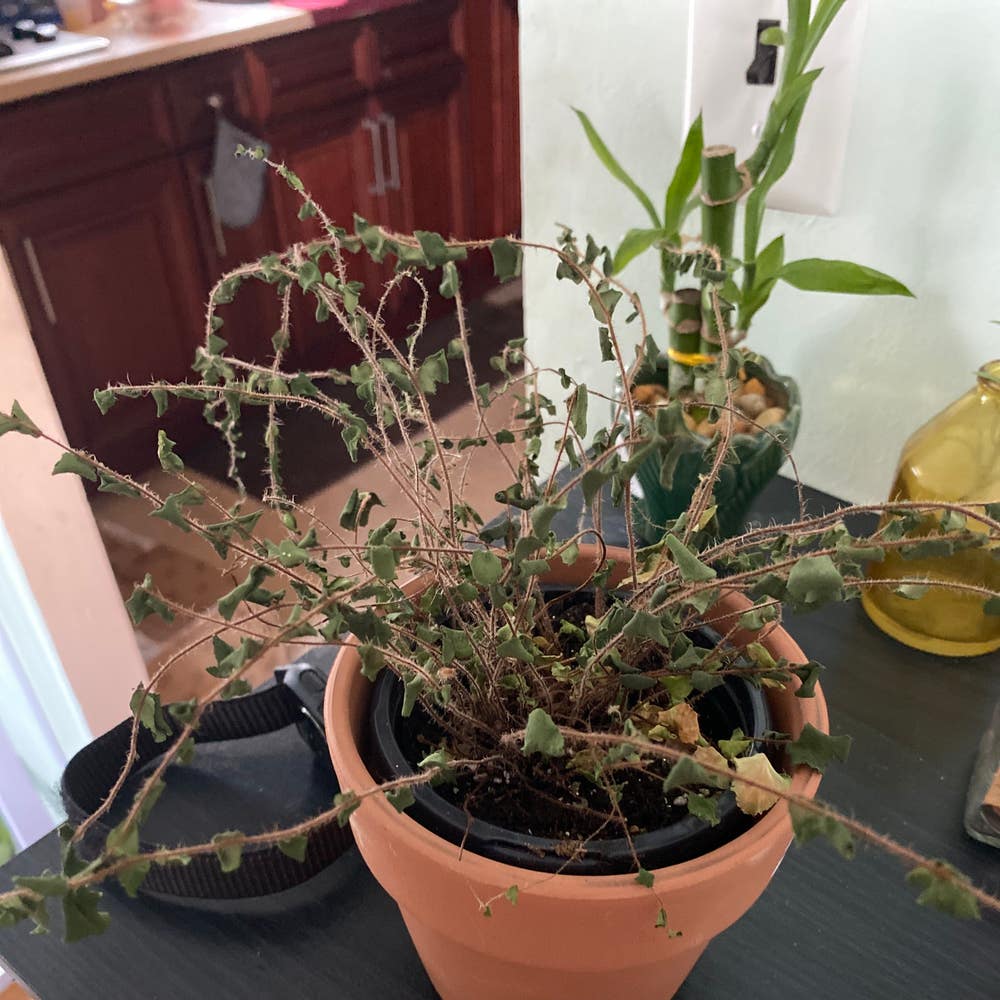
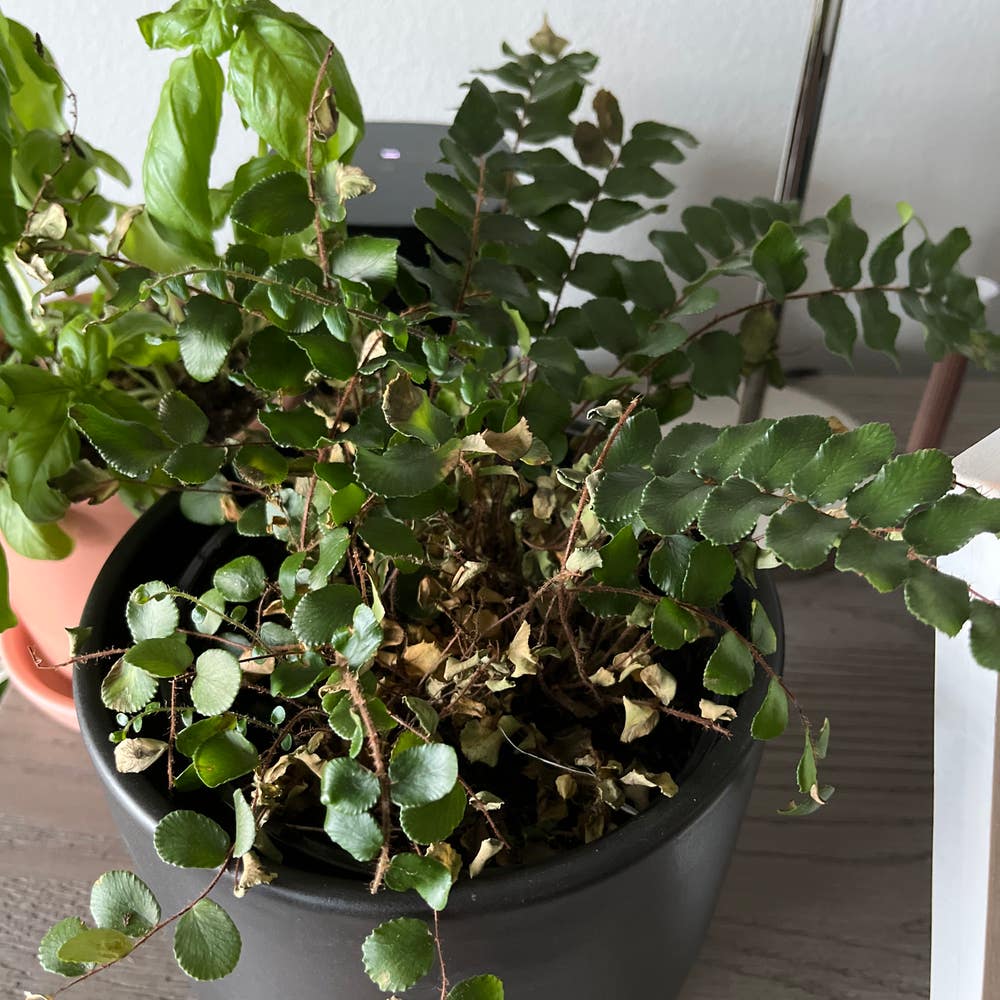
Finger Ferns exhibit a charming clumping habit, characterized by their distinctive finger-like fronds. This growth form not only adds visual interest but also makes them an excellent choice for shaded areas in your garden.
To ensure healthy development, it's best to space these ferns 12-18 inches apart. This spacing allows for adequate air circulation and room for growth, preventing overcrowding and promoting a lush appearance.
Natural Limits to Growth and Spread Potential 🌱
These ferns thrive in optimal conditions, particularly in shaded, moist areas with well-draining soil. Their preference for such environments means they can flourish without overwhelming other plants.
However, Finger Ferns are naturally limited by environmental factors. Drought conditions and excessive sunlight can hinder their growth, making them a low-maintenance option for gardeners who want to avoid invasive species.
Incorporating Finger Ferns into your garden not only enhances its beauty but also supports a balanced ecosystem. As we explore their ecological role next, you'll see how these ferns contribute positively to their surroundings.
Ecological Role
Benefits of Finger Fern in Ecosystems 🌱
Finger Fern plays a vital role in enhancing biodiversity. Its lush fronds provide essential habitat for various insects and small mammals, creating a thriving micro-ecosystem.
Additionally, this fern contributes significantly to soil health. It improves soil structure and moisture retention, making it a valuable asset in any garden.
Positive Interactions with Local Wildlife 🦋
One of the standout features of Finger Fern is its ability to attract beneficial insects. Pollinators and natural pest controllers find refuge among its fronds, promoting a balanced ecosystem.
Moreover, Finger Fern offers shelter and food sources for small mammals. This interaction fosters a healthy environment, supporting local wildlife and enriching the garden's overall biodiversity.
Incorporating Finger Fern into your garden not only beautifies the space but also nurtures the surrounding ecosystem. As we explore its garden management next, consider how this fern can harmonize with other plants for a sustainable landscape.
Garden Management
Incorporating Finger Fern into Garden Designs 🌿
Finger Ferns are perfect for adding a lush touch to shaded borders, rock gardens, or woodland gardens. Their clumping habit and finger-like fronds create a unique visual appeal that enhances any garden space.
For a diverse ecosystem, consider companion planting. Pair Finger Ferns with other shade-loving plants like hostas or astilbes to create a vibrant, layered look that attracts beneficial wildlife.
Methods for Controlling Growth if Necessary ✂️
While Finger Ferns are generally manageable, regular pruning helps maintain their size and shape. Trim fronds as needed to keep your garden looking tidy and intentional.
Monitoring growth patterns is also essential. Keep an eye on their spread to prevent overcrowding and ensure each plant has enough space to thrive.
Comparison to Other Plants
🌿 Similar Non-Invasive Plants
When considering non-invasive options for your garden, look no further than the Maidenhair fern and Christmas fern. These native ferns not only share a similar aesthetic appeal but also contribute to a balanced ecosystem.
Diversity in plant selection enhances both garden aesthetics and ecological stability. By incorporating a variety of non-invasive plants, you create a vibrant environment that supports local wildlife.
✨ Unique Qualities of Finger Fern
What truly sets the Finger Fern apart are its distinctive finger-like leaves. This unique growth form adds a touch of elegance to any garden space.
Additionally, the Finger Fern holds cultural significance, often used in traditional medicine. This adds an extra layer of value to its cultivation, making it not just a beautiful plant but also one with historical importance.
Incorporating the Finger Fern alongside other non-invasive plants can lead to a thriving, diverse garden. Next, let’s explore the legal and environmental considerations surrounding this remarkable fern.
Legal and Environmental Considerations
📜 Relevant Classifications and Guidelines for Finger Fern
When considering Finger Fern for your garden, it's essential to check local regulations. Some areas may have restrictions on planting or harvesting certain species, so a quick review of local guidelines can save you from potential issues.
Understanding the conservation status of Finger Fern is equally important. Recognizing its role in maintaining local biodiversity can enhance your appreciation for this plant and its contribution to the ecosystem.
🌱 Sustainable Gardening Practices Involving Finger Fern
Incorporating native plants like Finger Fern is crucial for supporting local wildlife and ecosystems. These plants provide essential habitats and food sources, fostering a balanced environment.
To practice sustainable gardening, consider integrating Finger Fern into your landscape designs. This not only enhances the beauty of your garden but also promotes ecological health, making your outdoor space a haven for both plants and wildlife.
As you plan your garden, remember that every choice matters. By selecting non-invasive plants like Finger Fern, you're contributing to a more sustainable future.
⚠️ Safety First
This content is for general information and may contain errors, omissions, or outdated details. It is not medical, veterinary advice, or an endorsement of therapeutic claims.
Always consult a qualified healthcare professional before using any plant as food, medicine, or supplement.
Never eat any plant (or feed one to pets) without confirming its identity with at least two trusted sources.
If you suspect poisoning, call Poison Control (800) 222-1222, the Pet Poison Helpline (800) 213-6680, or your local emergency service immediately.
Spotted an error? Please report it here.
Nurture the elegant Finger Fern 🌿 in your garden while supporting biodiversity, and let Greg guide you with tailored care reminders to keep it thriving in those perfect shady spots!