Why Are My Pellaea rotundifolia Leaves Dropping? 😢
Hemionitis rotundifolia
By the Greg Editorial Team
Jun 18, 2024•3 min read
This article was created with the help of AI so we can cover more plants for you. May contain errors. See one? Report it here.
- 🌊 Overwatering? Let soil dry before watering Pellaea rotundifolia again.
- 🌞 Too much sun causes leaf drop; adjust plant's light exposure.
- 💧🌡️ Consistent watering and climate keep Pellaea rotundifolia healthy.
Spotting the Signs: When Your Pellaea rotundifolia Is Unhappy
💦 Overwatering Woes
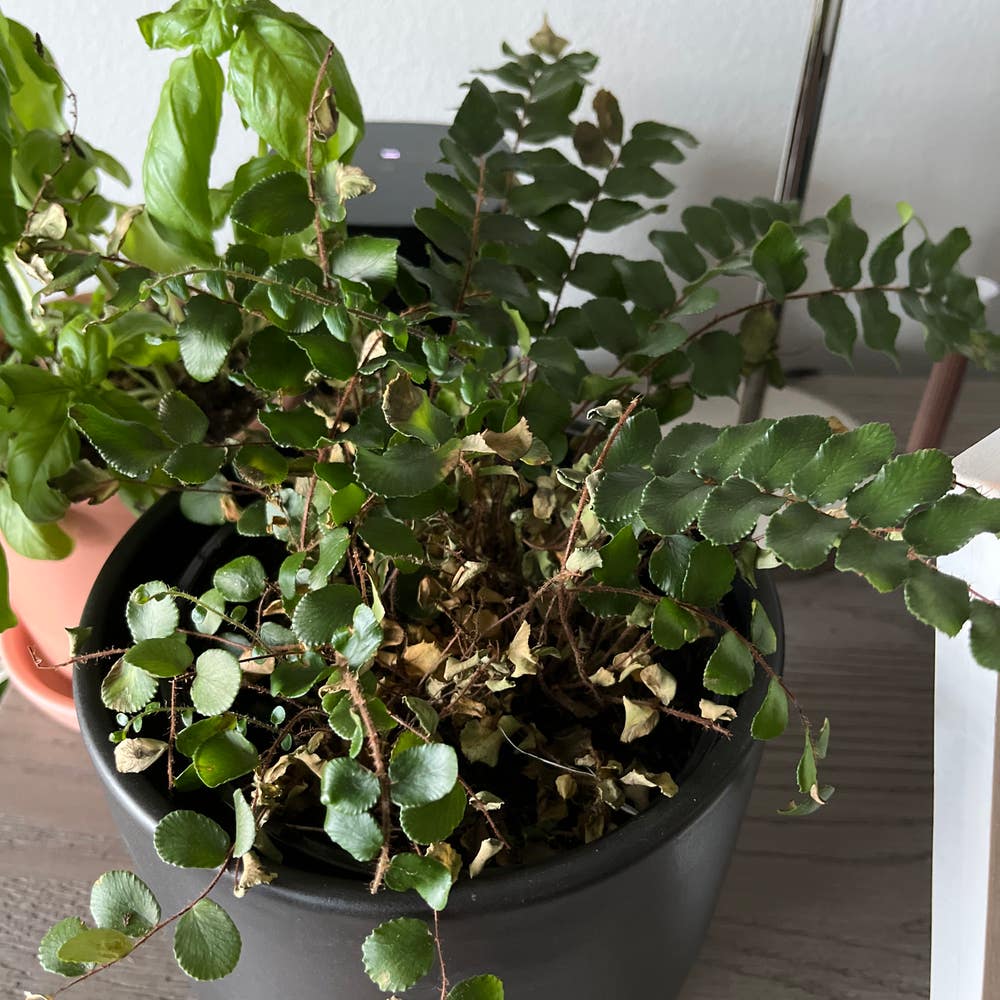
Yellowing leaves and a base that's mushier than a ripe avocado? Overwatering alert. When your Pellaea rotundifolia's soil feels more like a bog than a garden, it's time to rethink your watering game.
Quick fix: Let the soil dry out before you water again. Think of it as a mini drought for your plant's own good.
🏜️ The Thirsty Plant: Underwatering Troubles
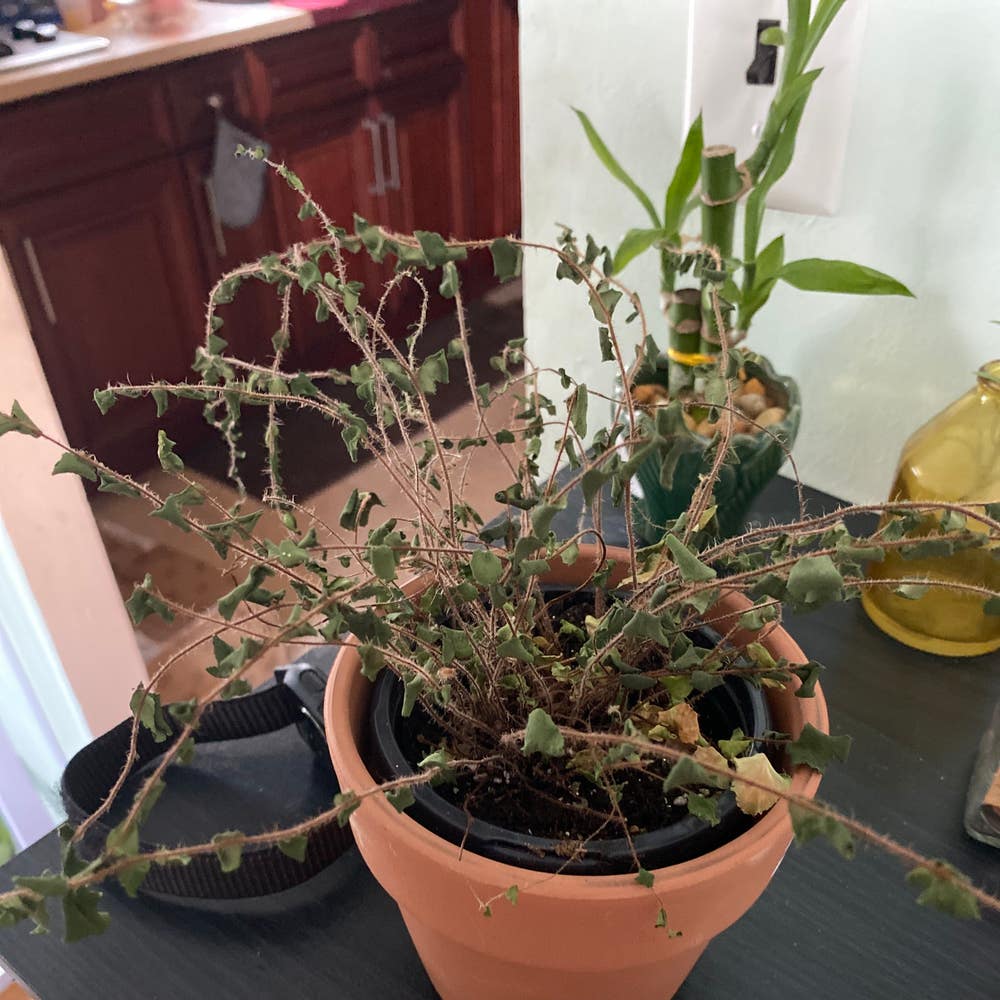
Crispy leaves and stunted growth are your Pellaea's way of saying, "I'm parched!" If the soil is drier than a comedian's humor, it's SOS time.
Hydration help: Establish a watering schedule that's more regular than your morning coffee ritual.
🌞 Light: Finding the Sweet Spot
Leaves dropping faster than your weekend plans? It could be a light issue. Too much sun and your Pellaea rotundifolia might go from sunbathing to sunburnt. Not enough, and it's like living in perpetual twilight.
Light it right: Adjust your plant's location for that perfect Instagram-worthy glow without the filter.
🌡️ Temperature and Humidity: The Comfort Zone
If your Pellaea rotundifolia's leaves are more wrinkled than a linen shirt, it might be feeling the temperature and humidity blues.
Climate control: Keep the air around your plant as consistent as the best friend who's always there for you.

First Aid for Fallen Leaves: Immediate Actions
🚿 Rescuing Overwatered Pellaea rotundifolia
- Halt watering immediately to prevent further damage.
- Gently remove the plant from its pot and inspect the roots for rot.
- Trim any blackened or mushy roots and discard the old soil.
- Repot in fresh, well-draining soil and water sparingly to start the recovery.
💧 Reviving an Underwatered Plant
- Give your Pellaea rotundifolia a thorough watering, ensuring moisture reaches the roots.
- After the initial soak, let excess water drain to avoid root suffocation.
- Monitor soil moisture closely, and establish a consistent watering schedule going forward.
🌞 Correcting Light Issues
- If leaves drop due to too much sun, relocate your plant to a spot with indirect light.
- For light deprivation, gradually introduce your Pellaea to brighter conditions.
- Adjust your plant's position with the seasons to maintain the ideal light exposure.
🌡️ Stabilizing Temperature and Humidity
- Keep the temperature consistent, avoiding drafts and sudden temperature swings.
- Use a humidifier or pebble tray to increase humidity around your plant.
- Avoid placing your Pellaea near heating vents or air conditioners that can disrupt its comfort zone.

Long-Term Care: Keeping Your Pellaea rotundifolia Leafy and Lush
💧 Watering Wisdom: Finding the Rhythm
Watering your Pellaea rotundifolia is less about sticking to a strict schedule and more about observing its needs. Check the topsoil; if it's dry, it's time for a drink. Use room temperature water to avoid shocking the roots, and never let it sit in a puddle of its own excess.
☀️ Lighting the Way: Ensuring Ideal Exposure
Your plant doesn't need a tan, so keep it out of harsh sunlight. Bright, indirect light will keep it performing photosynthesis like a champ. If your Pellaea is stretching out like it's trying to escape, it's probably craving more light. Adjust its position and watch it settle in happily.
🌡️ Consistency is Key: Maintaining Temperature and Humidity
Think of your plant's environment like your own comfort in a home – not too hot, not too cold. Humidity is the secret handshake here; mist the leaves or set up a pebble tray to up the ante. Keep the temperature steady; your plant dislikes change more than a cat dislikes water.

⚠️ Safety First
This content is for general information and may contain errors, omissions, or outdated details. It is not medical, veterinary advice, or an endorsement of therapeutic claims.
Always consult a qualified healthcare professional before using any plant as food, medicine, or supplement.
Never eat any plant (or feed one to pets) without confirming its identity with at least two trusted sources.
If you suspect poisoning, call Poison Control (800) 222-1222, the Pet Poison Helpline (800) 213-6680, or your local emergency service immediately.
Spotted an error? Please report it here.
Ensure your Pellaea rotundifolia thrives and avoids leaf-drop 🌿 with Greg's tailored care reminders, keeping your green friend perfectly pampered.