What to Do About Your Button Fern Wilting 🥺
Hemionitis rotundifolia
By the Greg Editorial Team
Oct 11, 2024•5 min read
This article was created with the help of AI so we can cover more plants for you. May contain errors. See one? Report it here.
- 💧 Wilting indicates water stress; check for underwatering or overwatering issues.
- 🌞 Heat and direct sunlight can cause wilting; relocate for better conditions.
- 🌿 Monitor humidity and environment to prevent future wilting episodes effectively.
Common Causes of Wilting Leaves
💧 Water Stress
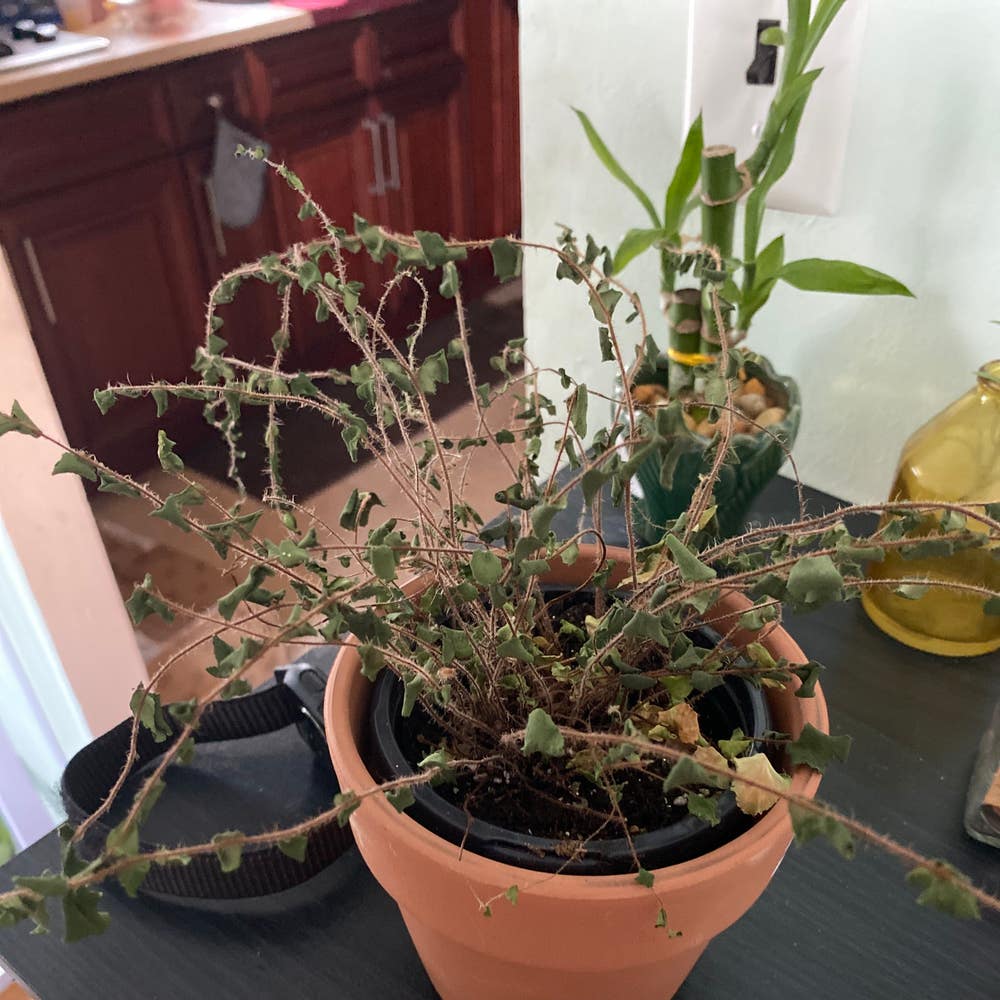
Wilting leaves on your Button Fern often signal water stress. Look for drooping fronds, dry soil, and crispy leaf edges as key indicators.
Underwatering
Infrequent watering can lead to dry soil, causing your fern to droop. Make sure to check the soil regularly to avoid this issue.
Overwatering
On the flip side, overwatering can create waterlogged soil, leading to root rot. This condition can be just as harmful, so finding the right balance is crucial.
🔥 Heat Stress
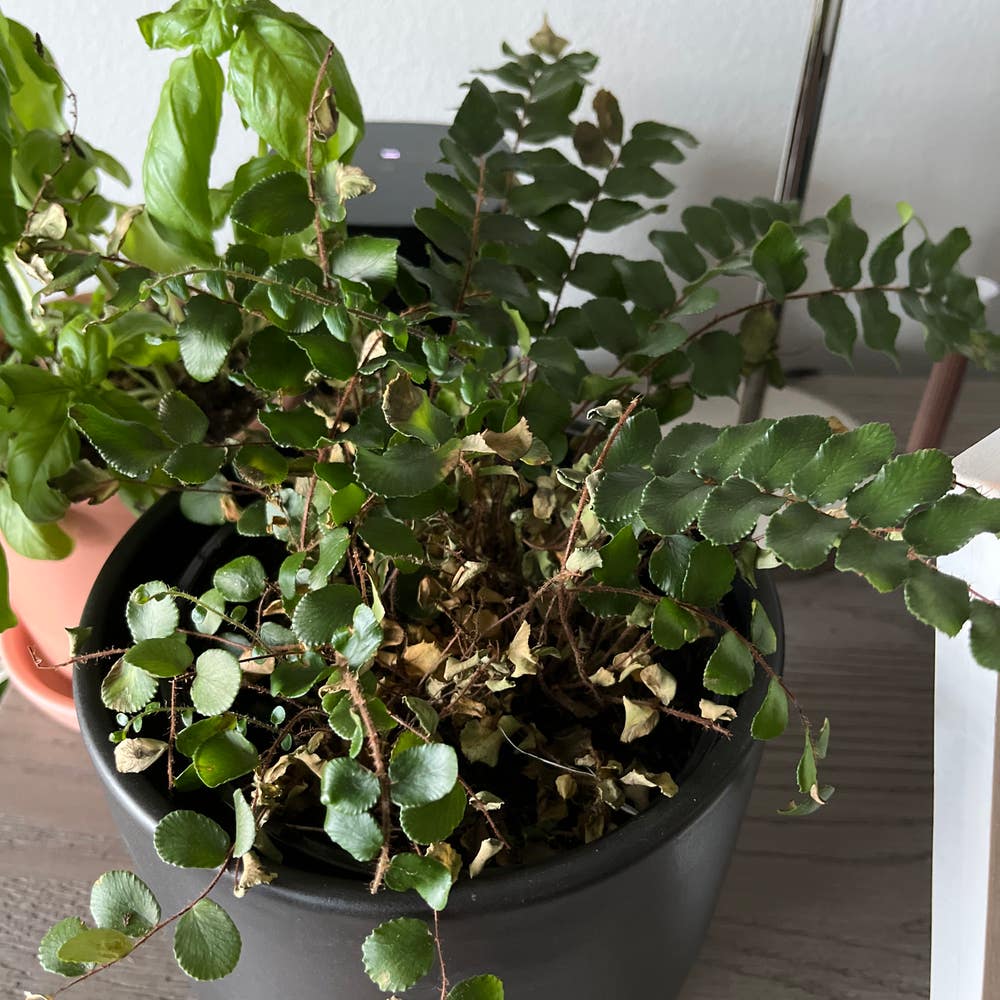
Heat stress is another common culprit behind wilting leaves. Signs include yellowing leaves, browning tips, and noticeable wilting during hot days.
Direct Sunlight
Exposure to direct sunlight or high temperatures can severely affect your fern. If you notice these signs, it may be time to adjust its location.
Sudden Temperature Changes
Sudden shifts in temperature can also stress your plant. Keeping your fern in a stable environment helps prevent these issues.
🦠 Disease-Related Wilting
While less common, disease-related wilting can occur. If you notice sudden wilting without any environmental changes, it may be worth investigating further.
Rarity of Pathogenic Wilt
It's important to note that pathogenic wilt is rare in Button Ferns. However, staying vigilant can help you catch any potential problems early.
Understanding these common causes of wilting leaves can empower you to take action. Next, we'll explore how to diagnose the specific issues affecting your Button Fern.
Diagnosing Wilting
Step-by-Step Guide 🌱
Diagnosing wilting in your Button Fern starts with assessing soil moisture. Check the top inch of soil; if it feels dry, your plant may be underwatered, while sogginess indicates overwatering.
Evaluate Environmental Conditions 🌡️
Next, evaluate the environmental conditions. Measure the temperature and humidity levels to ensure they are within the ideal range for your fern.
Observe Light Exposure ☀️
Observe the light exposure and airflow around the plant. Too much direct sunlight can lead to stress, while insufficient airflow can contribute to moisture retention.
Inspect the Plant 🔍
Finally, inspect the plant itself. Look for signs of pests or disease, such as discolored fronds or unusual spots. Damaged leaves can indicate underlying issues that need addressing.
By following these steps, you can pinpoint the cause of wilting and take appropriate action. This proactive approach will help ensure your Button Fern thrives in its environment.
Solutions for Wilting Leaves
🌊 Actionable Advice for Water Stress
For Underwatering
If your Button Fern is underwatered, you’ll want to give it a good drink. Water thoroughly until you see excess draining out of the bottom.
Next, set up a consistent watering schedule. This will help prevent the soil from drying out too much in the future.
For Overwatering
In cases of overwatering, allow the soil to dry out before you water again. This will help the roots recover from any potential rot.
If you suspect root rot, consider repotting your fern in well-draining soil. This can make a significant difference in its recovery.
🔥 Actionable Advice for Heat Stress
Relocate the Plant
If your fern is suffering from heat stress, move it to a cooler area with indirect light. This simple change can help alleviate the stress caused by direct sunlight.
Increase Humidity
To boost humidity around your plant, try using a humidity tray or misting the leaves. This will create a more favorable environment for your Button Fern.
🦠 Actionable Advice for Disease-Related Wilting
Remove Affected Fronds
If you suspect disease, start by removing any affected fronds. This helps prevent the spread of pathogens.
Treat with Fungicides
If necessary, treat the plant with appropriate fungicides. This can be crucial in managing any potential disease issues.
By addressing these specific causes of wilting, you can help your Button Fern thrive once again. Next, let’s explore preventive measures to keep your fern healthy in the long run.
Preventive Measures
Tips to Minimize Future Wilting Episodes 🌱
To keep your Button Fern thriving, consistent watering is key. Avoid extremes by establishing a regular watering schedule that suits your plant's needs.
Additionally, regularly check humidity levels. Button Ferns love moisture, so adjusting humidity can prevent wilting before it starts.
Importance of Monitoring Environmental Conditions 🔍
Monitoring your plant's environment is crucial for its health. Use a hygrometer to keep tabs on humidity, ensuring it stays within the ideal range for your fern.
Also, be mindful of your plant's placement. Keep it away from drafts and heat sources to create a stable environment that promotes growth and vitality.
By taking these preventive measures, you can significantly reduce the chances of wilting in your Button Fern. Next, let’s explore when it might be time to seek professional help for your plant.
When to Seek Help
🆘 Signs That Professional Help is Needed
If your Button Fern continues to wilt despite your best care efforts, it might be time to seek professional help. Persistent wilting can indicate underlying issues that require expert intervention.
Look out for severe pest infestations or signs of disease. If you notice unusual spots, mold, or a sudden decline in health, don’t hesitate to reach out for assistance.
📞 Resources for Assistance
Start by contacting local nurseries for expert advice. They can provide tailored recommendations based on your specific situation and local conditions.
Additionally, consider engaging with online plant care communities. These platforms can offer valuable insights and support from fellow plant enthusiasts who have faced similar challenges.
With the right help, you can get your Button Fern back to thriving in no time!
⚠️ Safety First
This content is for general information and may contain errors, omissions, or outdated details. It is not medical, veterinary advice, or an endorsement of therapeutic claims.
Always consult a qualified healthcare professional before using any plant as food, medicine, or supplement.
Never eat any plant (or feed one to pets) without confirming its identity with at least two trusted sources.
If you suspect poisoning, call Poison Control (800) 222-1222, the Pet Poison Helpline (800) 213-6680, or your local emergency service immediately.
Spotted an error? Please report it here.
Revive your wilting Button Fern with consistent care 🌱—let Greg guide you with tailored reminders and community support to keep your plant thriving!