Button Fern SOS: Rescue Your Plant from Root Rot 🛟
Hemionitis rotundifolia
By the Greg Editorial Team
Oct 11, 2024•4 min read
This article was created with the help of AI so we can cover more plants for you. May contain errors. See one? Report it here.
- 🌱 Yellowing leaves and wilting signal root rot in Button Ferns; act quickly!
- 🕵️♂️ Inspect roots for dark, mushy areas to confirm root rot diagnosis.
- 💧 Allow soil to dry between waterings to prevent root rot recurrence.
Identifying Root Rot Symptoms
Visual Signs 🌿
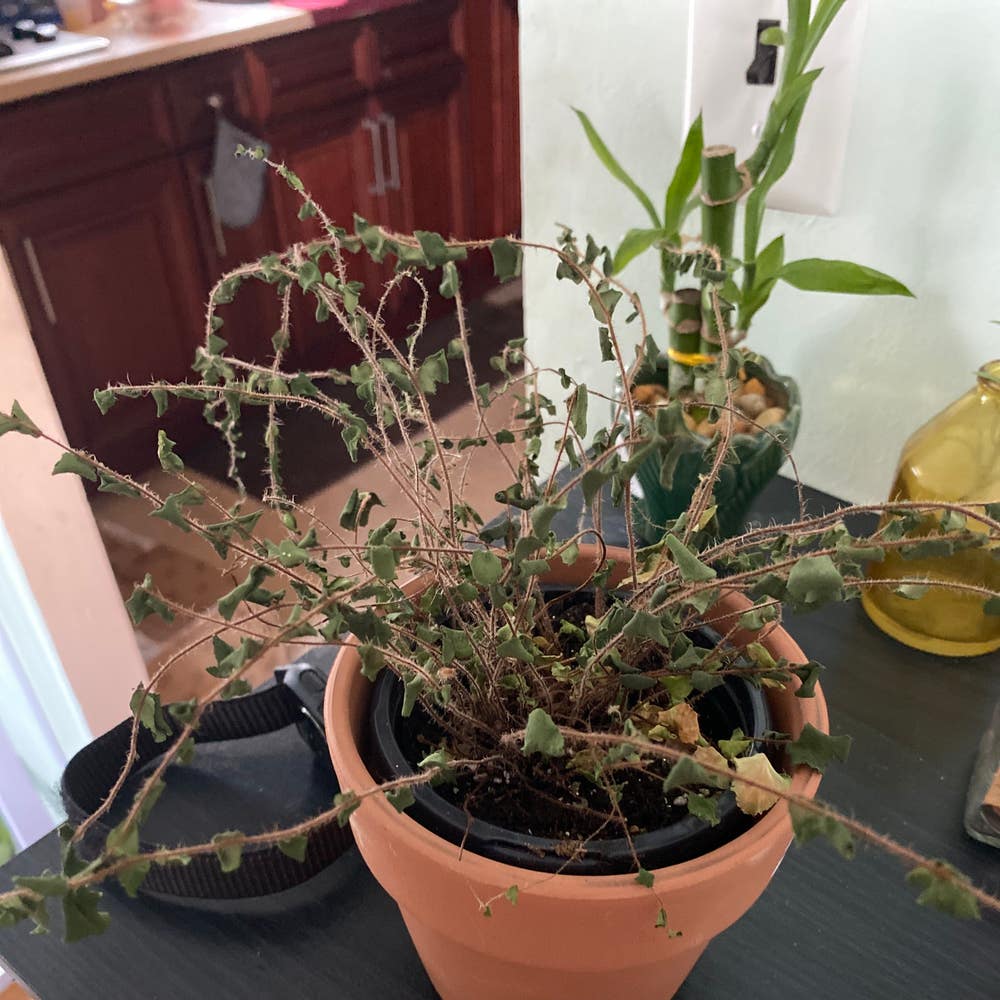
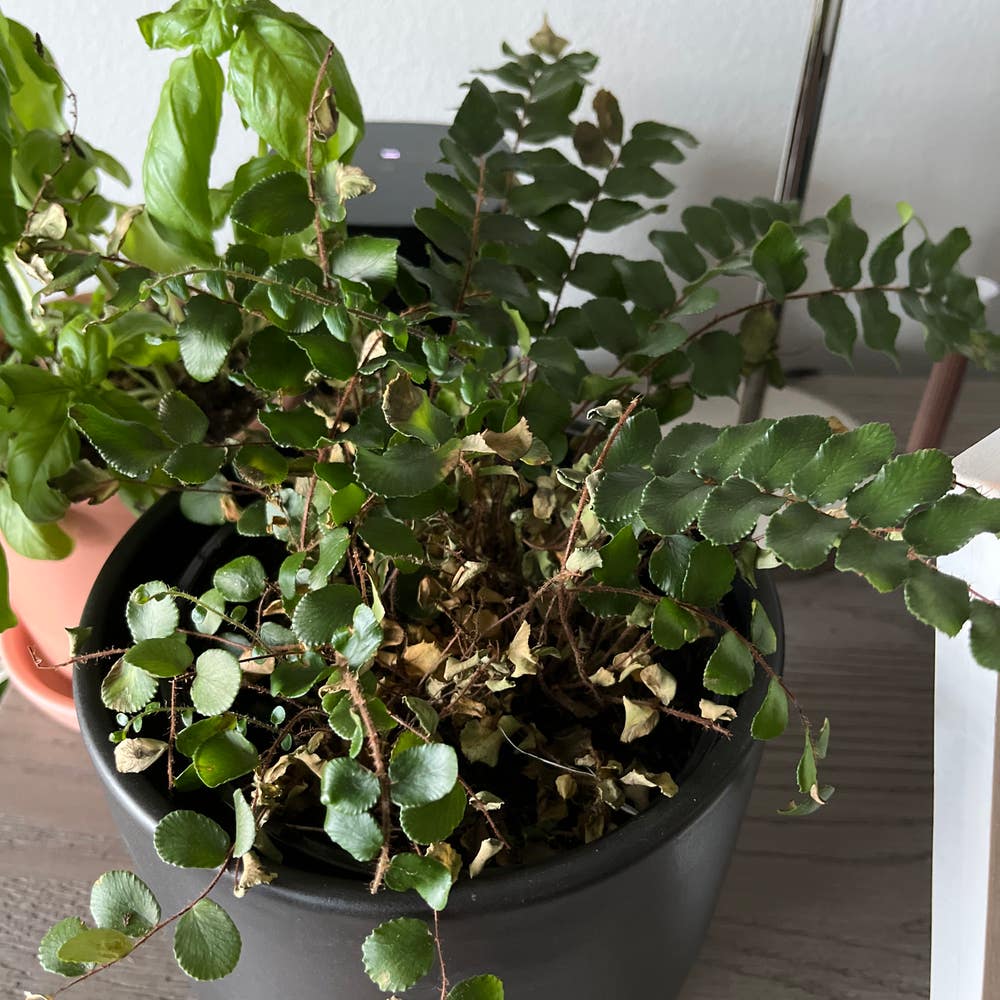
Recognizing root rot starts with observing your plant's leaves. Yellowing leaves often signal stress or nutrient deficiency, while wilting can occur even when you’ve watered adequately, indicating that the roots are struggling to absorb moisture.
Another critical sign is dark, mushy roots. If you inspect the roots and find this decay, it’s a clear indication that root rot is present.
How to Check for Root Rot 🔍
To confirm root rot, follow these simple steps:
- Remove the plant from its pot carefully. This minimizes stress on the roots.
- Examine the root system. Look for any color changes or unusual textures that suggest decay.
- Assess soil moisture. Check if the soil feels overly wet, which can contribute to root rot.
Distinguishing from Other Issues 🕵️♂️
It's essential to differentiate root rot from other plant problems. Pests can cause similar symptoms, so look for signs of infestation, like webbing or tiny bugs.
Additionally, nutrient deficiency can lead to yellowing leaves too. Understanding whether the yellowing is due to a lack of nutrients or root rot is crucial for effective treatment.
By identifying these symptoms early, you can take action to save your Button Fern from root rot. Next, let’s explore how to treat this issue effectively.
Treating Root Rot
Dealing with root rot can feel overwhelming, but with the right steps, you can save your Button Fern. Here’s a straightforward guide to help you through the process.
📝 Step-by-Step Guide
Remove the plant from the pot and inspect roots. Gently take your fern out, being careful not to damage the roots further.
Trim away any dark, mushy roots with sterilized scissors. This is crucial; any decayed roots can hinder recovery.
Rinse healthy roots gently to remove soil. Use lukewarm water to wash away any remaining dirt, ensuring you don’t harm the healthy parts.
Repot in fresh, well-draining soil. Choose a pot that allows for good drainage to prevent future issues.
Water sparingly for the first few weeks. This helps the plant adjust without overwhelming it with moisture.
🧪 Recommended Treatments
Use of fungicides: If you suspect fungal infection, applying a fungicide can help. Choose a product specifically designed for root rot and follow the instructions carefully.
Repotting: Selecting the right pot size is essential. A pot that’s too large can retain excess moisture, while a snug fit encourages healthy root growth.
By following these steps, you can give your Button Fern a fighting chance against root rot. Remember, patience is key during this recovery phase.
Next, let’s explore how to prevent root rot from happening again.
Preventing Root Rot
Best Practices for Watering 🌊
Watering your Button Fern correctly is crucial to prevent root rot. Aim to let the top inch of soil dry out between waterings; this helps maintain a healthy moisture balance.
Be vigilant for signs of overwatering. If leaves start to yellow or the soil feels soggy, it’s time to adjust your watering habits.
Soil Recommendations 🌱
The right soil composition can make all the difference. A mix of peat, perlite, and orchid bark provides excellent aeration and drainage, keeping roots happy and healthy.
Testing soil drainage is equally important. Ensure water flows freely through the pot to avoid waterlogged conditions that can lead to root rot.
By following these simple practices, you can significantly reduce the risk of root rot and keep your Button Fern thriving. Next, let’s explore recovery strategies if your plant has already faced this challenge.
Recovery Strategies
Signs of Recovery 🌱
After treating root rot, keep an eye out for new growth. Fresh leaves emerging is a promising sign that your Button Fern is bouncing back.
Another indicator of recovery is improved leaf color. Watch for a transition from yellowing to vibrant green, signaling that your plant is regaining its health.
Ongoing Care After Treatment 🛠️
Monitoring soil moisture is crucial in the recovery phase. Regular checks can help prevent a recurrence of root rot.
Additionally, adjusting environmental conditions is key. Ensure that humidity and light levels are optimal for your fern's recovery.
When to Seek Professional Help 🩺
If you notice persistent symptoms despite your efforts, it may be time to consult a plant care specialist. They can provide insights tailored to your specific situation.
In cases of severe root damage, assess whether your plant can recover or if it’s time for a replacement. Sometimes, knowing when to let go is just as important as nurturing your plants back to health.
⚠️ Safety First
This content is for general information and may contain errors, omissions, or outdated details. It is not medical, veterinary advice, or an endorsement of therapeutic claims.
Always consult a qualified healthcare professional before using any plant as food, medicine, or supplement.
Never eat any plant (or feed one to pets) without confirming its identity with at least two trusted sources.
If you suspect poisoning, call Poison Control (800) 222-1222, the Pet Poison Helpline (800) 213-6680, or your local emergency service immediately.
Spotted an error? Please report it here.
Revive your Button Fern from root rot with Greg's tailored watering alerts 🌱, ensuring your plant thrives and stays healthy for the long haul!