How to Determine When Your Button Fern Needs Water 💧
Hemionitis rotundifolia
By the Greg Editorial Team
Oct 11, 2024•5 min read
This article was created with the help of AI so we can cover more plants for you. May contain errors. See one? Report it here.
- 💧 Water every 1-2 weeks, adjusting frequency with seasons for optimal growth.
- 🌿 Yellow leaves signal over-watering; check for root rot if they appear.
- 📏 Use moisture meters or weight tests to determine when to water effectively.
Watering Frequency
When it comes to your Button Fern, a general guideline is to water every 1-2 weeks. Always allow the top inch of soil to dry out between waterings to prevent over-saturation.
🌱 Seasonal Variations
Spring and Summer
During the warmer months, your fern will thrive with more frequent watering. Aim for every 5-7 days to keep those fronds lush and vibrant.
Fall and Winter
As temperatures drop, it's time to dial back your watering routine. Reduce the frequency to every 10-14 days, allowing the plant to rest during its slower growth period.
Understanding these watering frequencies will help you keep your Button Fern healthy and happy. With the right care, your fern can flourish throughout the year, adapting beautifully to seasonal changes.
Recognizing Watering Issues
Understanding when your Button Fern needs water is crucial for its health. Recognizing the signs of over-watering and under-watering can save your plant from stress and potential damage.
🚫 Signs of Over-Watering
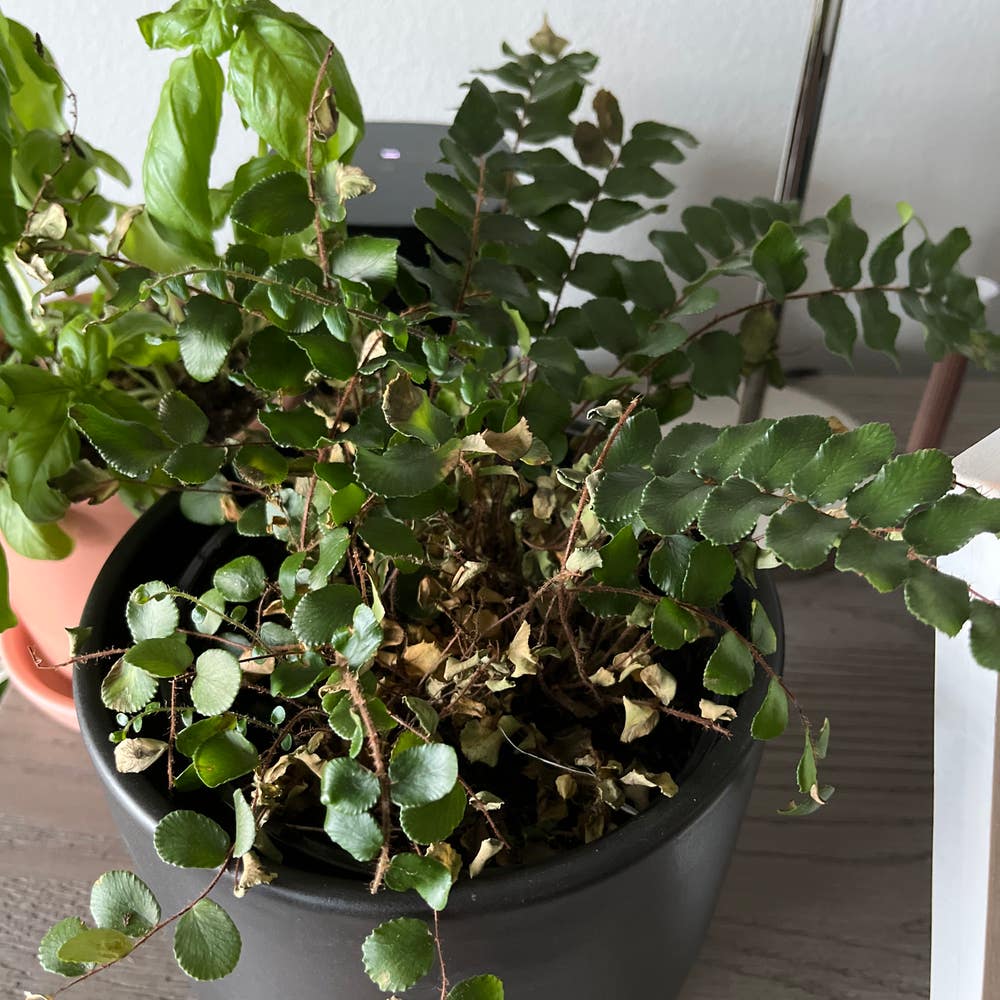
Yellowing Leaves: If the leaves start to yellow, it often indicates root stress or rot. This is a clear signal that your fern is getting too much water.
Root Rot: Inspect the roots; dark, mushy roots are a telltale sign of root rot. This condition can be fatal if not addressed promptly.
Soil Condition: Consistently soggy or waterlogged soil is another indicator of over-watering. If the soil feels like a swamp, it’s time to reassess your watering routine.
💧 Signs of Under-Watering
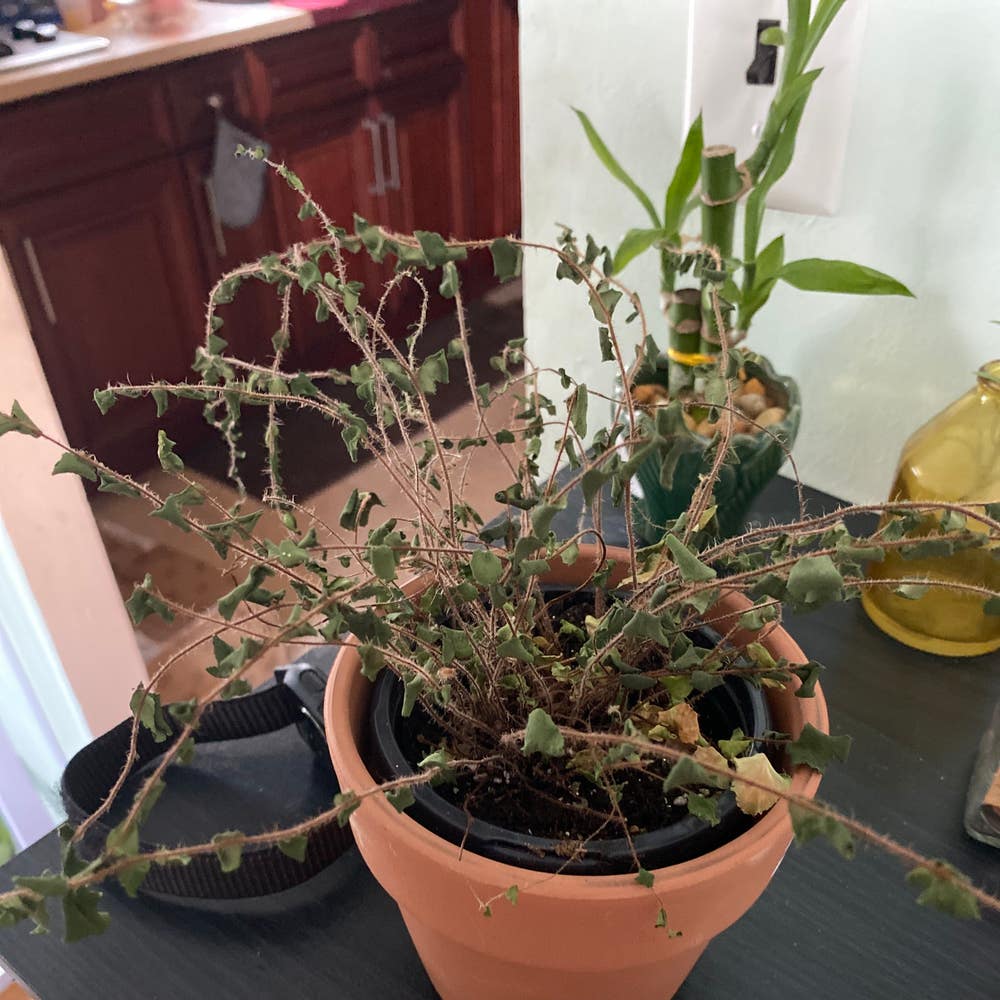
Crispy Leaves: Dry, brittle leaves suggest your fern is lacking moisture. This can lead to irreversible damage if not corrected quickly.
Wilting: Drooping fronds that lack turgor pressure are a clear sign of under-watering. Your fern is essentially begging for hydration.
Soil Condition: Dry, hard soil that pulls away from the pot edges indicates that your plant is thirsty. If you can see cracks in the soil, it’s definitely time to water.
Recognizing these signs will help you maintain a healthy Button Fern. Next, let’s explore effective watering techniques to keep your plant thriving.
Watering Techniques
🌊 Bottom-Watering Method
Watering from the bottom is a fantastic technique for your Button Fern. This method allows the plant to absorb moisture through its drainage holes, promoting healthier roots.
Steps for Bottom-Watering
- Fill a basin with water.
- Place the pot in the basin for 15-30 minutes.
- Remove the pot and let any excess water drain out.
This approach ensures that the soil gets evenly moist without the risk of over-saturating the top layer.
💧 Self-Watering Pots and Their Benefits
Self-watering pots are a game-changer for busy plant owners. They provide a reservoir of water, allowing for consistent moisture levels without constant monitoring.
Benefits of Self-Watering Pots
- Reduces the risk of over-watering: These pots help prevent soggy soil, which can lead to root rot.
- Maintains humidity around the plant: This is especially beneficial for tropical plants like the Button Fern.
- Ideal for busy plant owners: Set it and forget it—your fern will thrive with minimal effort.
Using these techniques can simplify your plant care routine while ensuring your Button Fern stays healthy and vibrant. Now that you know how to water effectively, let’s explore how to measure soil moisture accurately.
Measuring Soil Moisture
🌡️ How to Use a Moisture Meter
Using a moisture meter is a straightforward way to ensure your Button Fern gets the right amount of water.
- Insert the probe into the soil to a depth of about 2-3 inches.
- Read the moisture level on the meter.
- If the reading indicates dry soil (usually below 3), it’s time to water.
🛠️ DIY Methods for Checking Soil Moisture
If you don’t have a moisture meter, don’t worry! There are simple DIY methods to check soil moisture.
Finger Test
This method is quick and effective.
- Insert your finger into the soil up to the second knuckle.
- If the soil feels dry, it’s time to water.
Weight Test
This technique gives you a good sense of moisture levels based on the pot's weight.
- Lift the pot to gauge its weight.
- A lighter pot indicates dry soil, while a heavier pot suggests adequate moisture.
🏁 Conclusion
By mastering these moisture-checking techniques, you'll be well-equipped to keep your Button Fern thriving. Understanding when to water is crucial for its health and vitality, setting the stage for the next topic on adjusting watering practices.
Adjusting Watering Practices
🌦️ Seasonal Adjustments in Watering Frequency
Your Button Fern's watering needs change with the seasons. During spring and summer, as growth accelerates, you'll want to increase watering frequency to every 5-7 days.
In contrast, as fall and winter approach, growth slows down. This is the time to reduce watering to every 10-14 days, allowing the plant to rest and adapt to lower humidity levels.
📱 Using the Greg Plant Care App for Reminders and Tracking
Keeping track of your watering schedule can be a challenge. The Greg Plant Care app is a handy tool that helps set reminders tailored to your Button Fern's specific needs.
This app offers customizable notifications for watering frequency. Plus, it allows you to track moisture levels, ensuring you adjust your care accordingly.
By using these strategies, you can maintain a healthy watering routine that keeps your Button Fern thriving. Next, let’s explore how to measure soil moisture effectively.
⚠️ Safety First
This content is for general information and may contain errors, omissions, or outdated details. It is not medical, veterinary advice, or an endorsement of therapeutic claims.
Always consult a qualified healthcare professional before using any plant as food, medicine, or supplement.
Never eat any plant (or feed one to pets) without confirming its identity with at least two trusted sources.
If you suspect poisoning, call Poison Control (800) 222-1222, the Pet Poison Helpline (800) 213-6680, or your local emergency service immediately.
Spotted an error? Please report it here.
Ensure your Button Fern stays lush and happy 🌱 by using Greg for tailored watering reminders and expert tips that adapt to its seasonal needs!