🖐️ Growing Your Finger Fern Indoors
Hemionitis rotundifolia
By the Greg Editorial Team
Oct 16, 2024•6 min read
This article was created with the help of AI so we can cover more plants for you. May contain errors. See one? Report it here.
- 🌞 Finger ferns need 4-6 hours of bright, indirect sunlight; avoid direct sun exposure.
- 💧 Water every 1-2 weeks; watch for yellow leaves to prevent overwatering.
- 🌬️ Maintain humidity between 50%-70% for lush foliage and healthy growth.
Light Requirements
Ideal Indoor Light Levels 🌞
For your finger fern to thrive, it needs bright, indirect sunlight for about 4-6 hours daily. Direct sunlight can scorch its delicate leaves and stunt its growth, so be mindful of where you place it.
Role of Grow Lights 💡
If natural light is scarce, grow lights can be a game-changer. They supplement sunlight, especially in low-light conditions, promoting healthy growth and vibrant foliage.
Choosing the Best Grow Light 🛠️
When selecting grow lights, consider the type: LED or fluorescent. Full-spectrum lights are recommended for balanced growth, and positioning them 12-24 inches above the plant helps prevent leaf burn.
With the right light conditions, your finger fern will flourish beautifully. Next, let’s dive into its watering needs to keep it hydrated and healthy.
Watering Needs
Frequency and Method of Watering 🌊
To keep your finger fern thriving, maintain a watering schedule that keeps the soil consistently moist but not soggy. Aim to water every 1-2 weeks, adjusting based on your home's humidity and temperature levels.
Signs of Overwatering and Underwatering 🚨
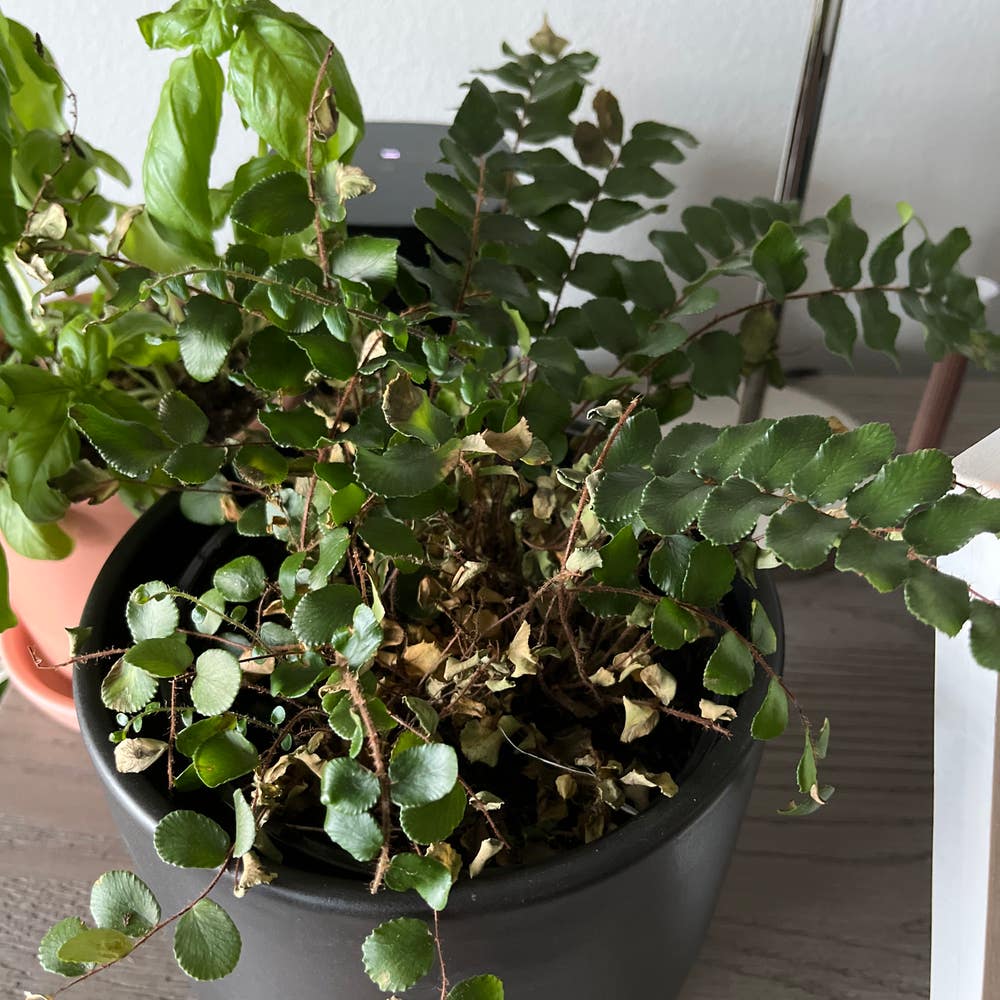
Recognizing the signs of overwatering is crucial. Look for yellowing leaves, mushy roots, and moldy soil—these indicate too much moisture.
On the flip side, underwatering can also be detrimental. Watch for browning leaf tips, wilting, and dry soil, which signal that your fern needs a drink.
By staying attentive to these watering needs, you can ensure your finger fern remains healthy and vibrant. Next, let’s explore the ideal humidity and temperature conditions for your fern's growth.
Humidity and Temperature
🌧️ Optimal Humidity Levels
For your finger fern to thrive, aim for a humidity level between 50% and 70%. This range is crucial as it prevents leaf browning and encourages lush, vibrant foliage.
🌡️ Temperature Preferences
Your fern will be happiest in temperatures ranging from 18°C to 24°C (65°F to 75°F). Be mindful to shield it from drafts and sudden temperature fluctuations, as these can stress the plant.
💧 Humidity Control Methods
To maintain the ideal humidity, consider using a humidifier. This device can help create a stable environment for your fern.
Another effective method is to use pebble trays. Simply place a tray filled with pebbles and water under your pot; as the water evaporates, it increases humidity around the plant.
Grouping your finger fern with other humidity-loving plants can also create a microclimate. This not only boosts humidity but also enhances the overall aesthetic of your indoor garden.
By keeping these humidity and temperature guidelines in mind, you’ll set the stage for a thriving finger fern. Next, let’s explore the best soil and fertilization practices to further support your plant’s growth.
Soil and Fertilization
Best Soil Type 🌱
For your finger fern to thrive, choose a well-draining potting mix enriched with organic matter. A blend containing peat moss and perlite works wonders, ensuring the roots have the aeration they need.
The ideal soil pH for finger ferns is slightly acidic to neutral, ranging from 6.0 to 7.0. This balance helps facilitate nutrient absorption, keeping your fern healthy and vibrant.
Fertilization Schedule and Types 🌿
Fertilizing your finger fern is essential for robust growth. Aim to feed it every 4-6 weeks during the growing season to provide the nutrients it craves.
Opt for a balanced liquid fertilizer, like a 20-20-20 mix, but remember to dilute it to half strength. This approach prevents over-fertilization, which can harm your plant rather than help it.
With the right soil and fertilization practices, your finger fern will flourish, setting the stage for a lush indoor garden. Next, let’s explore how to tackle common issues that may arise with your fern care.
Common Issues and Solutions
🐜 Pests Specific to Indoor Ferns
Indoor ferns can attract a few pesky pests. The most common culprits are spider mites, aphids, and mealybugs.
Look for signs of infestation like webbing, sticky residue on leaves, or visible insects. Early detection is key to keeping your fern healthy.
🛡️ Preventative Measures for Pest Control
Regular inspections are essential. Check both the leaves and soil for any early signs of pests.
Natural deterrents like neem oil or insecticidal soap can be effective preventive measures. Using these products can help maintain a pest-free environment for your fern.
⚠️ Common Problems
Browning Tips
Browning leaf tips can be frustrating. This issue often arises from low humidity, underwatering, or nutrient deficiency.
To combat this, increase humidity levels, adjust your watering schedule, and ensure proper fertilization. Your fern will thank you!
Wilting
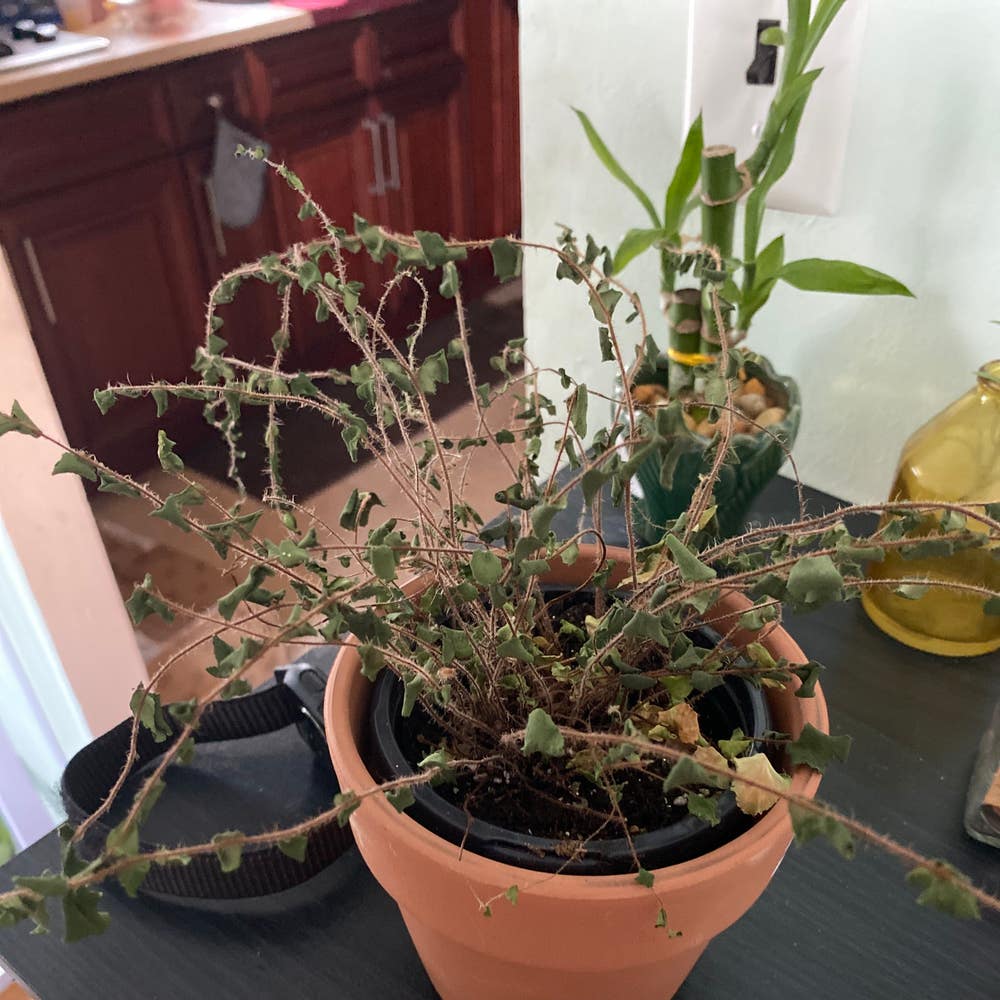
Wilting is another common concern. It can result from either overwatering or underwatering.
Adjust your watering practices and ensure proper drainage to remedy this issue. A little attention goes a long way in restoring your fern's vitality.
🌱 Solutions for Maintaining Plant Health
Maintaining your fern's health involves a few simple practices. Regularly wipe the leaves with a damp cloth to remove dust and enhance photosynthesis.
Additionally, rotating the plant ensures even light exposure and promotes balanced growth. These small steps can lead to a thriving indoor fern.
With these insights, you're well-equipped to tackle common fern issues. Next, let’s explore how to create the perfect environment for your fern to flourish!
Placement and Maintenance
Best Locations in the Home 🌅
For your finger fern to thrive, place it in east or north-facing windows. These spots provide the bright, indirect light it craves without the risk of scorching.
Avoid areas with direct sunlight or drafts. Both can stress your fern and hinder its growth.
Tips for Maintaining Appearance and Health ✂️
Regular pruning is essential. Remove any dead or yellowing fronds to encourage fresh growth and keep your plant looking vibrant.
Cleaning the leaves is also crucial. Dust can accumulate and block sunlight, so wipe them down regularly to enhance photosynthesis.
Seasonal Care Adjustments ❄️
In winter, adjust your care routine. Reduce watering frequency and keep a close eye on humidity levels to prevent dryness.
During summer, your fern may need more attention. Increase humidity and watering frequency to keep it healthy and flourishing in the warmer months.
With these placement and maintenance tips, your finger fern will not only survive but thrive, adding a touch of lush greenery to your indoor space. Next, let’s explore the soil and fertilization needs to ensure your fern has the best foundation for growth.
⚠️ Safety First
This content is for general information and may contain errors, omissions, or outdated details. It is not medical, veterinary advice, or an endorsement of therapeutic claims.
Always consult a qualified healthcare professional before using any plant as food, medicine, or supplement.
Never eat any plant (or feed one to pets) without confirming its identity with at least two trusted sources.
If you suspect poisoning, call Poison Control (800) 222-1222, the Pet Poison Helpline (800) 213-6680, or your local emergency service immediately.
Spotted an error? Please report it here.
Nurture your finger fern to lush perfection 🌱 with Greg's personalized care reminders and tailored watering plans that ensure it thrives in your home!