Why Does My Pellaea rotundifolia Have Yellow Leaves?
Hemionitis rotundifolia
By the Greg Editorial Team
Jun 18, 2024•4 min read
This article was created with the help of AI so we can cover more plants for you. May contain errors. See one? Report it here.
- 🌿 Lighting and watering balance is key to preventing yellow leaves.
- 🌱 Soil quality and nutrition directly impact leaf health.
- 🔄 Regular checks and adjustments maintain plant vibrancy.
Spotting the Yellow Flags
🚨 Identifying Yellow Leaves: What to Look For
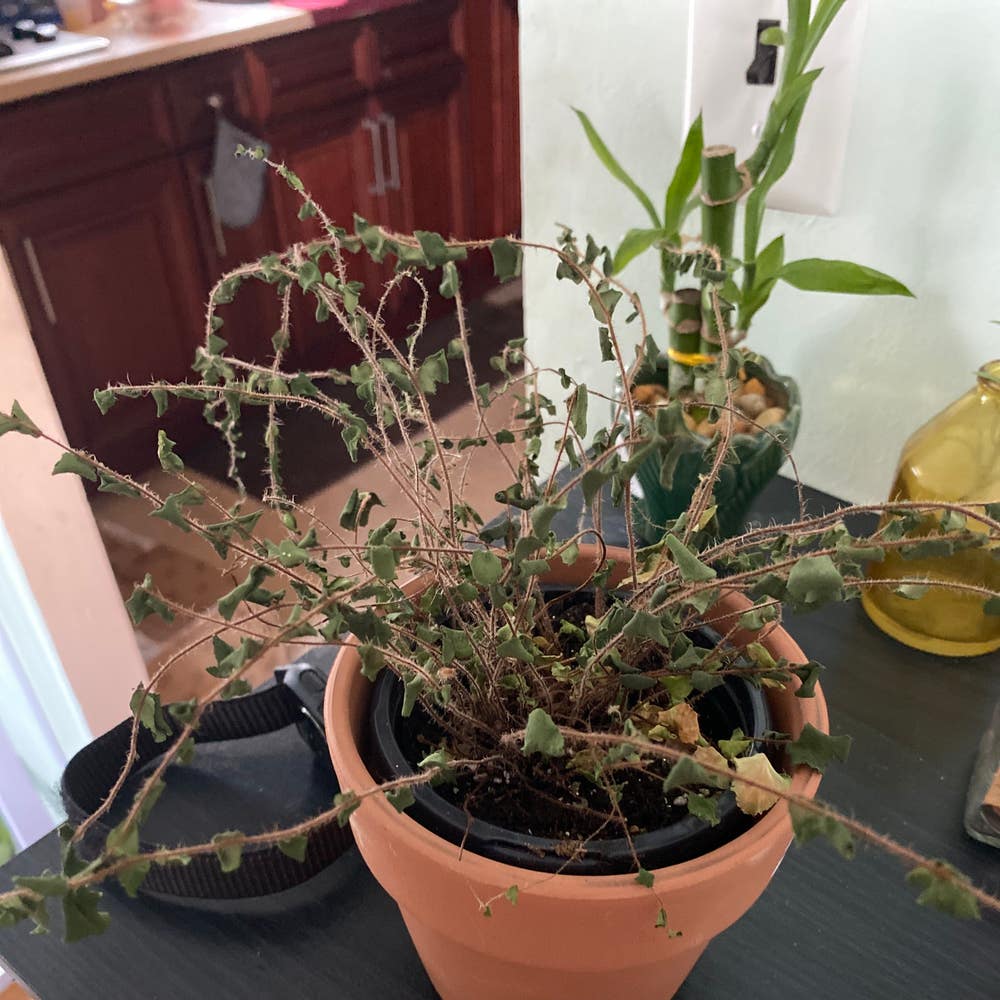
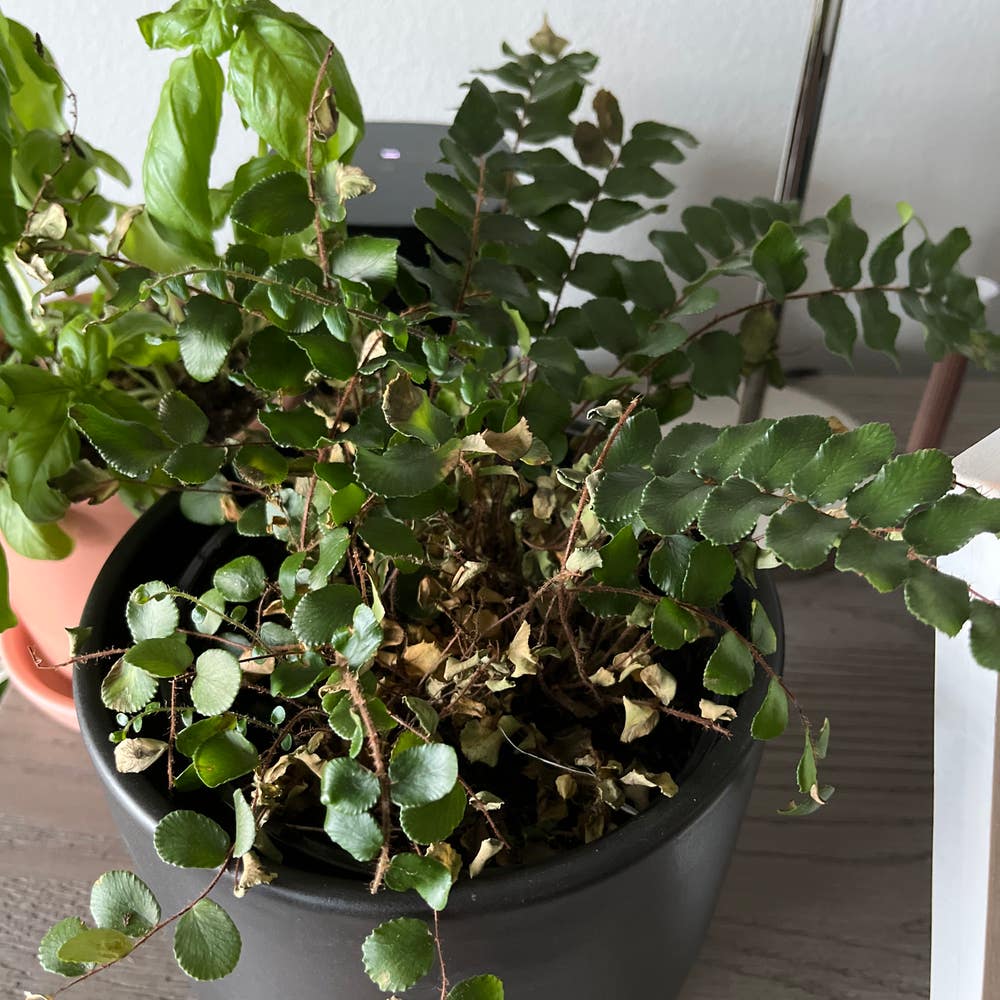
Yellowing leaves on your Pellaea rotundifolia aren't just a fashion statement; they're a distress signal. Early signs include a pale hue taking over the usually vibrant green fronds. If the yellowing starts at the tips or edges, consider it a red alert. It's like your plant is silently mouthing "help me" in chlorophyll language.
🔄 Understanding the Pattern and Progression of Yellowing
Patterns matter. A uniform yellowing could mean your fern is swimming in water or starving for nutrients. Striped or edged yellowing? That's your cue for a possible deficiency. It's not just about the color change—it's the progression. If new growth is turning yellow, it's time to play detective.
🌿 Environmental Stress Signals
Your Pellaea rotundifolia is a bit of a diva when it comes to its environment. Too hot, too cold, or a drafty spot can turn those leaves yellow faster than a banana left in the sun. Think of it as your plant's way of saying, "I'm not mad, just disappointed." If you're seeing yellow, it's time to reassess your fern's living conditions.

The Root of the Problem: Causes of Yellowing
💡 Light Struggles: Too Much or Too Little
Lighting can be a fickle friend to Pellaea rotundifolia. Like a plant version of Goldilocks, it demands its light "just right." Too much sun and your fronds will throw a fit, turning a crispy yellow. Too little, and they'll sulk, losing their lush green luster. Aim for bright, indirect sunlight to keep them beaming.
🚰 Water Woes: Finding the Balance
Watering is a delicate dance. Overwatering is the equivalent of flooding the dance floor, leading to root rot and yellow leaves. Underwatering, on the other hand, leaves your Pellaea gasping for a drink. The sweet spot? Water when the top inch of soil feels like a dry martini—about 50% dry.
🍽️ Soil and Nutrition: The Foundation of Health
Soil should be your plant's BFF—well-draining and nutrient-rich. If your Pellaea's leaves are yellowing, it's time to play detective with your potting mix. Compacted or waterlogged soil is a no-go. And let's talk nutrients: too much fertilizer can burn roots, while too little leaves them malnourished. A balanced diet is key, so opt for a well-mixed, natural fertilizer with a solid nitrogen punch during growth spurts.

Turning Over a New Leaf: Solutions
💡 Let There Be (The Right) Light
Bright, indirect sunlight is the sweet spot for your Pellaea rotundifolia. If your plant's leaves are throwing a yellow tantrum, it might be begging for a change of scenery. Move it away from that scorching windowsill or out of the gloomy corner. Consider a sheer curtain as a sunscreen for delicate fronds. And remember, rotating the plant regularly promotes even growth and prevents favoritism in light distribution.
🚰 Watering Wisdom
The key to watering is to avoid extremes. Your Pellaea rotundifolia doesn't enjoy a swampy pot any more than a parched one. Stick your finger in the soil; if the top inch is dry, it's time to water. Do it thoroughly, letting the excess drain to avoid soggy feet. A consistent schedule is great, but don't be a slave to it—adapt to your plant's needs and the humidity in your home.
🍽️ Soil and Fertilizer Fixes
Your plant's roots are picky eaters—they crave a well-draining soil mix. Add perlite or pumice to the potting mix to keep things airy. When it comes to food, a balanced, water-soluble fertilizer is like a gourmet meal. Apply it sparingly; overfeeding can cause more drama than an overacted soap opera. And ease up during winter—plants like to diet during their dormant phase.

Keeping the Green: Prevention Strategies
💡 Proactive Light Management
Adjusting your Pellaea rotundifolia's sunbathing habits is crucial. In the summer, it's like a beachgoer seeking shade to avoid a sunburn. Come winter, it's a sun-seeker basking in the scarce warmth. Rotate the plant periodically to ensure all sides get their time in the limelight.
🚰 Watering Discipline
Watering should be as regular as your morning alarm, but not so habitual that you drown the poor thing in your sleep. Aim for moist soil – think of it as the plant's ideal yoga environment: hydrated but not drenched. Adjust your watering schedule with the seasons; your plant's thirst changes just like yours.
🍽️ Soil and Nutrient Vigilance
Keep an eye on the soil like it's the stock market. Regular checks and tweaks will prevent your plant's portfolio from crashing into yellow territory. A balanced diet of nutrients keeps your Pellaea rotundifolia's leaves green and its roots strong. Remember, overfeeding can be just as bad as neglect.
⚠️ Safety First
This content is for general information and may contain errors, omissions, or outdated details. It is not medical, veterinary advice, or an endorsement of therapeutic claims.
Always consult a qualified healthcare professional before using any plant as food, medicine, or supplement.
Never eat any plant (or feed one to pets) without confirming its identity with at least two trusted sources.
If you suspect poisoning, call Poison Control (800) 222-1222, the Pet Poison Helpline (800) 213-6680, or your local emergency service immediately.
Spotted an error? Please report it here.
Banish yellow leaves and ensure your Pellaea rotundifolia thrives with Greg's tailored watering and light schedules 🌿, keeping your green friends lush and vibrant!