🌸 5 Common Finger Fern Flowering Issues
Hemionitis rotundifolia
By the Greg Editorial Team
Oct 16, 2024•5 min read
This article was created with the help of AI so we can cover more plants for you. May contain errors. See one? Report it here.
- 🌞 Insufficient light exposure prevents blooming; aim for 6-8 hours of indirect sunlight.
- 🌱 Nutritional deficiencies in nitrogen, phosphorus, and potassium hinder flowering; use balanced fertilizers.
- 🌬️ Stable humidity and temperature are crucial; avoid environmental stress for healthy blooms.
Failure to Bloom
🌞 Potential Causes
Light Requirements
Insufficient light exposure is a common culprit for finger ferns failing to bloom. If your fern receives less than 6 hours of indirect sunlight daily, it may struggle to produce flowers.
On the flip side, excessive direct sunlight can scorch the fronds, inhibiting flowering altogether. Finding the right balance is crucial.
Nutritional Deficiencies
Nutritional deficiencies can also play a significant role. A lack of essential nutrients like nitrogen, phosphorus, and potassium can hinder flowering.
Additionally, poor soil quality may not provide the necessary nutrients for healthy growth. Ensuring your fern has the right soil mix is vital.
Environmental Factors
Environmental factors can stress your plant and affect its blooming cycle. Temperature fluctuations, whether extreme heat or cold, can lead to stress.
Low humidity levels are another issue. If the air is too dry, it can hinder the bloom cycle, leaving your fern looking less than its best.
💡 Solutions and Adjustments
Adjust Light Exposure
To encourage blooming, start by adjusting light exposure. Move your fern to a location with filtered light or consider using artificial grow lights.
🌱 Improve Soil Quality
Next, focus on improving soil quality. Use a balanced fertilizer during the growing season to provide essential nutrients.
If necessary, repot your fern in nutrient-rich soil to give it a fresh start. This can make a world of difference.
🌬️ Maintain Stable Environmental Conditions
Finally, maintain stable environmental conditions. Using a humidifier or a pebble tray can help increase humidity around your fern.
Also, monitor temperature closely and avoid drafts. A stable environment is key to promoting healthy blooms.
By addressing these potential causes and implementing these solutions, you can help your finger fern thrive and bloom beautifully. Up next, we’ll explore premature flower drop and how to prevent it.
Premature Flower Drop
🌪️ Causes
Stress Factors
Premature flower drop in finger ferns often stems from environmental stress. Sudden changes in temperature or humidity can shock the plant, leading to flower loss.
Pest infestations, such as aphids or spider mites, can also weaken the plant, making it more susceptible to dropping flowers. Regular monitoring is key to catching these issues early.
Watering Issues
Inconsistent watering practices can create stress for your fern. Fluctuations between dry and overly wet soil can disrupt its health.
Overwatering is particularly detrimental, as it can lead to root rot, severely affecting the plant's overall vitality. Ensuring a balanced watering routine is crucial.
🛠️ Remedies and Preventive Measures
Stabilize Environmental Conditions:
- Gradually acclimate your fern to new environments to minimize shock.
- Regularly inspect for pests and treat them promptly to prevent infestations.
Establish a Consistent Watering Routine:
- Water your fern when the top inch of soil feels dry to the touch.
- Ensure proper drainage to prevent waterlogging, which can harm the roots.
By addressing these factors, you can help your finger fern thrive and reduce the chances of premature flower drop. Next, let’s explore how to identify and correct abnormal flower development.
Abnormal Flower Development
🌱 Identifying Abnormal Growth Patterns
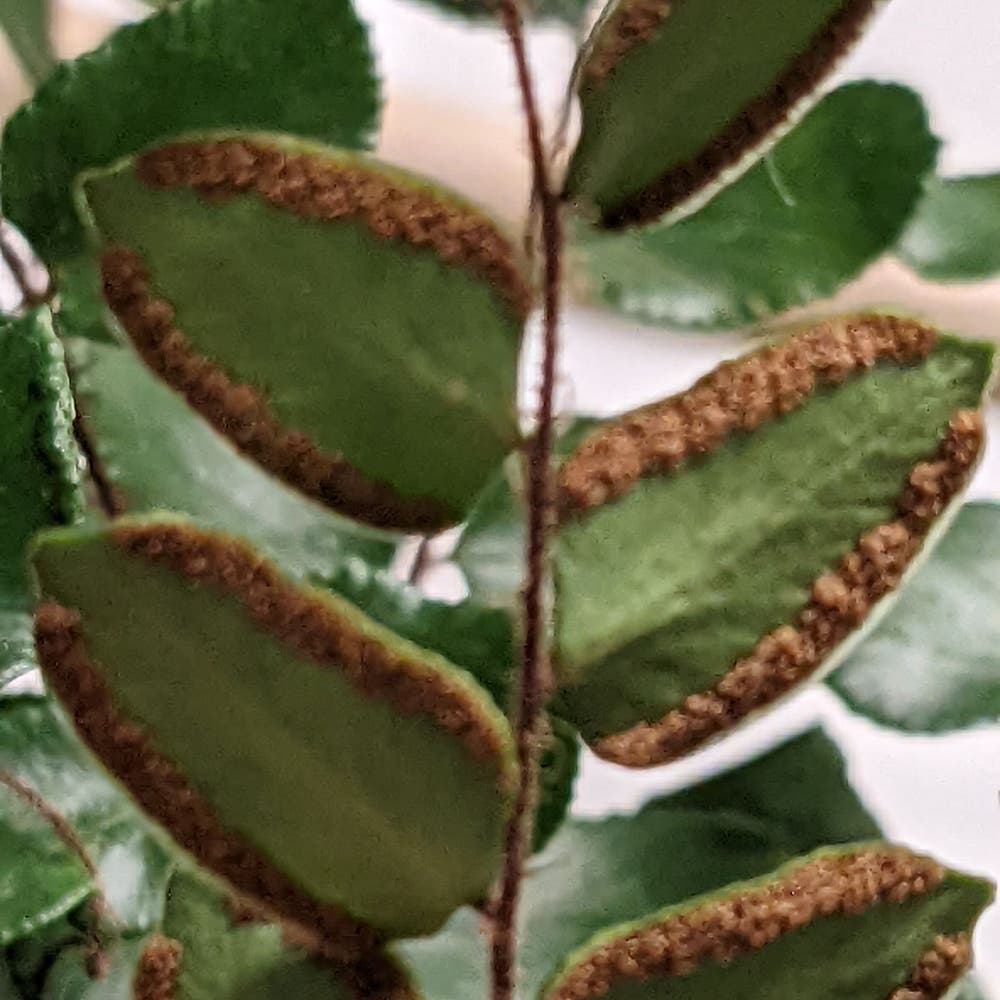
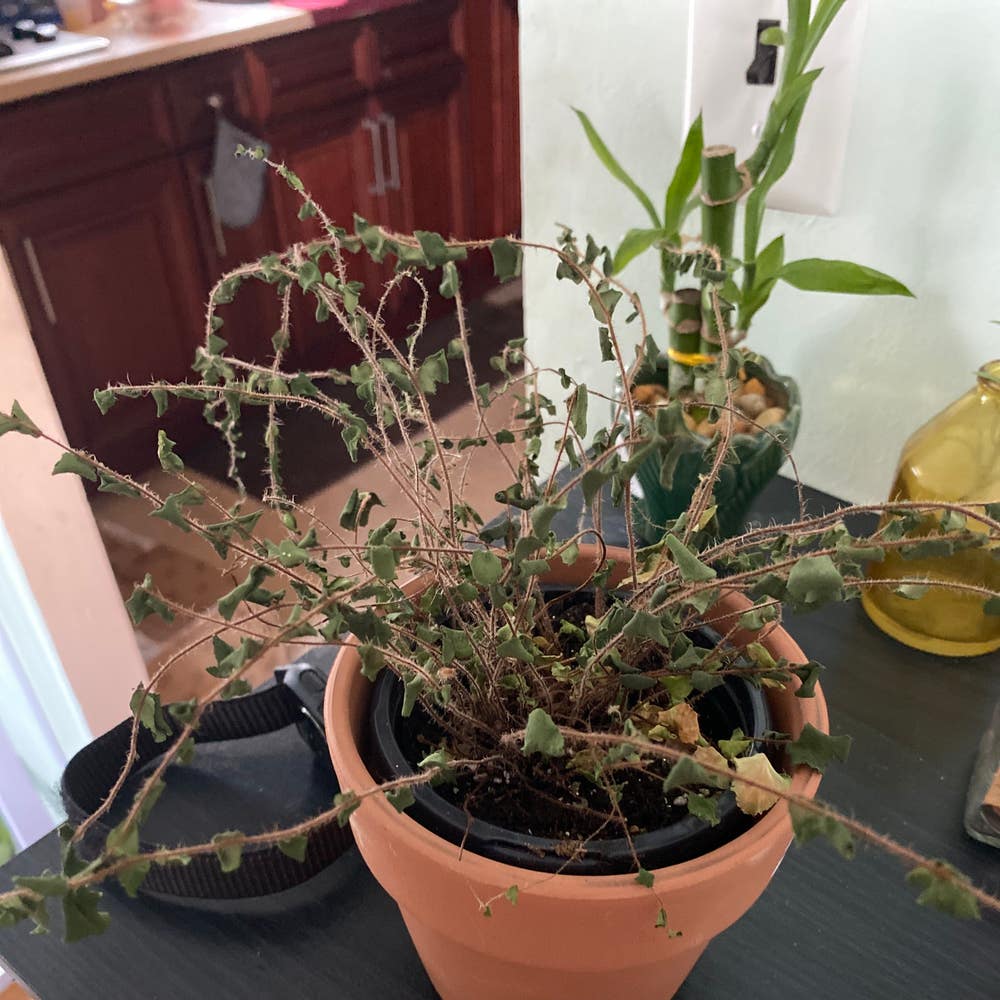
Abnormal flower development can manifest in several ways. Look for signs like deformed reproductive structures, stunted growth, or unusual coloration and texture of the fronds.
⚖️ Factors Affecting Flower Morphology
Nutritional imbalances are a primary culprit behind abnormal growth. Both excess and deficiency of specific nutrients can disrupt normal development.
Environmental stress also plays a significant role. Sudden changes in light, temperature, or humidity can shock the plant, leading to irregular flower formation.
🛠️ Solutions for Correcting Abnormal Development
Assess and Adjust Nutrient Levels:
Conduct a soil test to identify any deficiencies. Based on the results, apply appropriate fertilizers to restore balance.Monitor and Stabilize Environmental Conditions:
Gradually introduce any changes to avoid shocking the plant. Consistently maintain humidity and temperature levels to support healthy growth.
By addressing these factors, you can help your finger fern thrive and encourage proper flowering. Next, let’s explore the environmental factors that can influence flowering success.
Environmental Factors Affecting Flowering
Light Requirements 🌞
Optimal light conditions are crucial for finger ferns to bloom effectively. Aim for 6-8 hours of indirect sunlight daily to encourage healthy flowering.
Too much direct sunlight can scorch the leaves, while too little light can inhibit blooming altogether. Finding that sweet spot is essential for vibrant growth.
Nutritional Needs 🍽️
Nutrients play a vital role in the flowering process. Nitrogen promotes lush foliage, while phosphorus is key for flower development.
Don't overlook potassium, which supports overall plant health. A balanced nutrient profile is your fern's best friend.
Watering Practices 🚰
Consistent moisture is critical for finger ferns. Keep the soil evenly moist but avoid waterlogging, which can lead to root rot.
Both overwatering and underwatering can stress the plant, affecting its ability to flower. Establishing a reliable watering routine will keep your fern thriving.
Understanding these environmental factors can significantly enhance your finger fern's flowering potential. By optimizing light, nutrients, and watering practices, you're setting the stage for a stunning bloom. Next, let’s explore effective pruning and maintenance techniques to further support your fern’s growth.
Pruning and Maintenance
✂️ Pruning Techniques
Pruning is essential for encouraging flowering in finger ferns. Start by removing dead or damaged fronds to promote better airflow, which helps prevent diseases.
Timing is crucial; prune during the growing season, ideally in early spring, just before the bloom cycle begins. This encourages new growth and sets the stage for vibrant flowers.
🌦️ Seasonal Considerations
Seasonal changes can significantly impact flowering. Adjust your care practices according to the temperature and humidity fluctuations throughout the year.
During the flowering phase, increase humidity and nutrients to support development. This proactive approach ensures your finger fern thrives and blooms beautifully.
By understanding these pruning and maintenance techniques, you can enhance your fern's flowering potential and enjoy its lush beauty year-round. Next, let’s explore the environmental factors that affect flowering.
⚠️ Safety First
This content is for general information and may contain errors, omissions, or outdated details. It is not medical, veterinary advice, or an endorsement of therapeutic claims.
Always consult a qualified healthcare professional before using any plant as food, medicine, or supplement.
Never eat any plant (or feed one to pets) without confirming its identity with at least two trusted sources.
If you suspect poisoning, call Poison Control (800) 222-1222, the Pet Poison Helpline (800) 213-6680, or your local emergency service immediately.
Spotted an error? Please report it here.
Unlock your finger fern's blooming potential 🌼 with Greg's tailored care tips and reminders, ensuring your plant thrives in the perfect environment!