✂️ Step-by-Step Guide to Pruning Button Fern
Hemionitis rotundifolia
By the Greg Editorial Team
Oct 11, 2024•6 min read
This article was created with the help of AI so we can cover more plants for you. May contain errors. See one? Report it here.
- ✂️ Use sharp tools and disinfect them to prevent disease when pruning Button Ferns.
- 🌱 Prune yellowing or overcrowded fronds in early spring for optimal growth.
- 🚫 Avoid over-pruning; limit cuts to 20-30% to prevent plant stress.
Tools Needed for Effective Pruning
✂️ Essential Pruning Tools
To prune your Button Fern effectively, you'll need a few essential tools.
- Sharp pruning shears are crucial for making clean cuts, which helps prevent damage to the fronds.
- Scissors come in handy for minor adjustments and deadheading, ensuring your plant looks its best.
🧤 Protecting Yourself
Don't forget to wear gloves! They protect your hands from potential irritants that some ferns may have.
Additionally, a disinfectant is vital. Clean your tools before and after use to prevent the spread of diseases.
With the right tools in hand, you're ready to dive into the pruning process. This preparation sets the stage for a healthy, thriving Button Fern.
Next, let’s explore the step-by-step pruning process to keep your fern looking fabulous!
Step-by-Step Pruning Process
Identifying Which Fronds to Prune 🌿
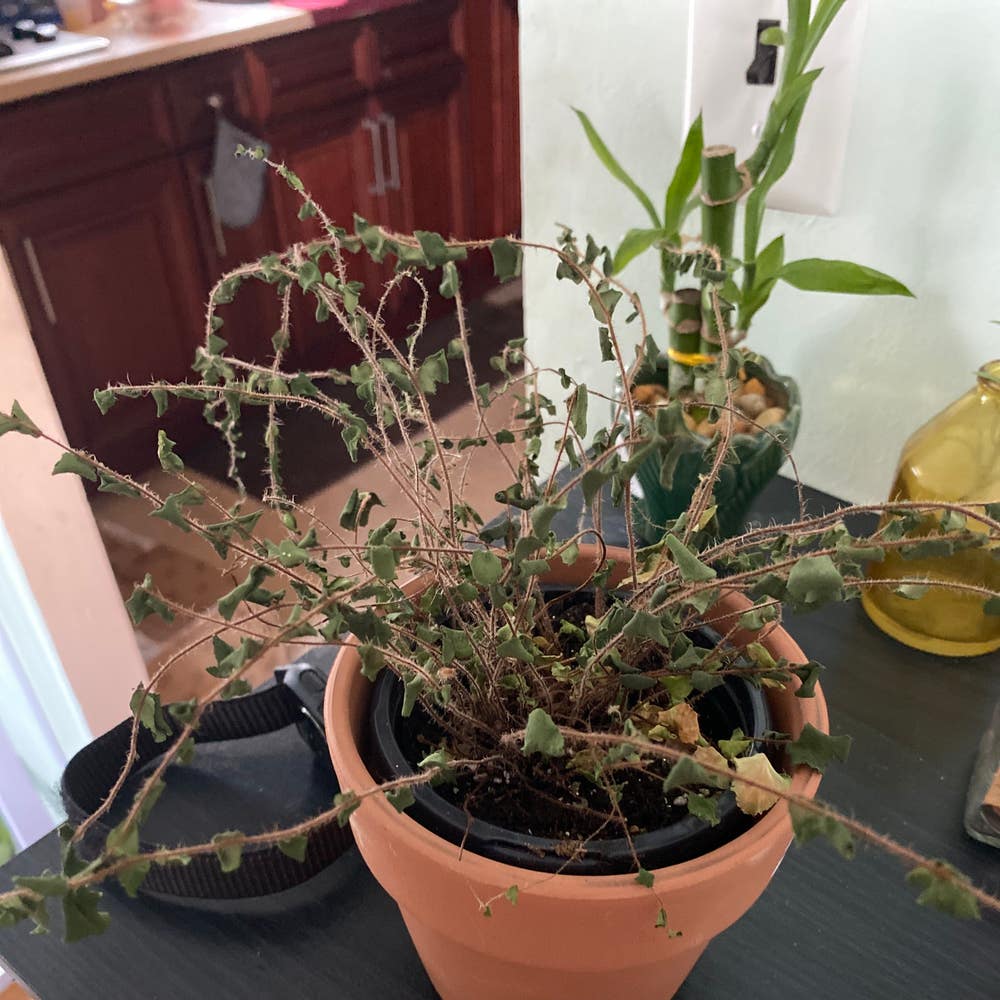
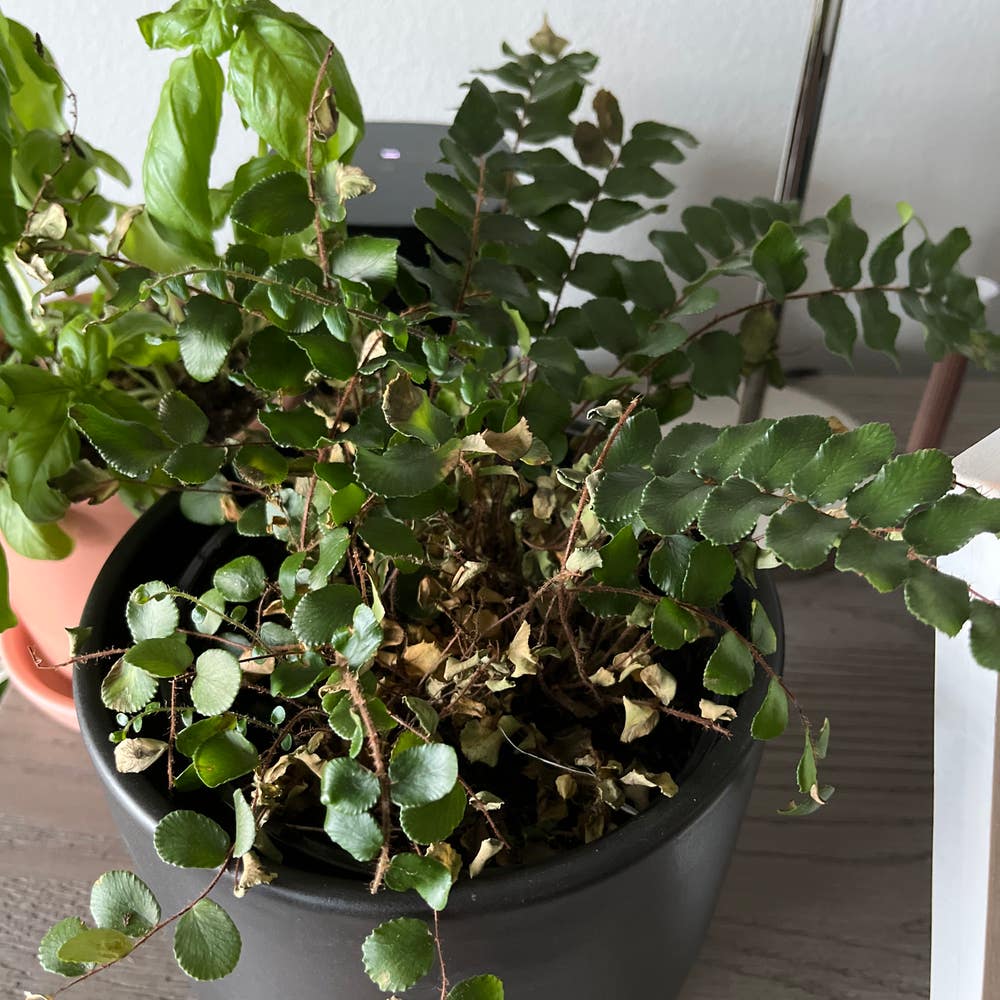
When pruning your Button Fern, start by identifying fronds that need attention. Look for yellowing or browning fronds, as these are signs of distress.
Overcrowded areas where fronds compete for light also require pruning. Additionally, any damaged fronds that detract from the plant's overall appearance should be removed.
Cutting Techniques for Clean Cuts ✂️
To ensure a successful pruning session, use sharp shears for clean cuts. Make your cuts at a 45-degree angle to promote healing.
Cut just above the base of the frond, being careful not to damage surrounding fronds. Clean cuts help the plant recover quickly and maintain its health.
How to Handle Damaged or Dead Fronds 🪴
For fronds that are completely dead, cut them at the base to remove them entirely. This helps the plant focus its energy on healthier growth.
If you encounter partially damaged fronds, trim them back to healthy tissue. This encourages new growth and keeps your Button Fern looking vibrant.
With these steps, you’ll be well on your way to maintaining a healthy and attractive Button Fern. Next, let’s explore the best times to prune for optimal results.
When to Prune Button Fern
Best Seasons for Pruning 🌱
Pruning your Button Fern at the right time can make all the difference. Early spring is the prime season for rejuvenation, allowing your plant to thrive as it enters the growing season.
Late summer is another key period for maintenance, helping prepare your fern for dormancy. Timing your pruning right ensures your fern stays healthy and vibrant.
Signs That Indicate It's Time to Prune 🔍
Knowing when to prune is just as important as how to do it. Look for noticeable yellowing or browning of fronds, which signals that they may need removal.
Overcrowding is another clear sign; fronds competing for light can hinder growth. Lastly, keep an eye out for pests or disease on fronds, as these can quickly spread and damage your plant.
Recognizing these signs will help you maintain a healthy Button Fern, ensuring it remains a lush addition to your space.
With the right timing and awareness, you can keep your fern thriving and ready for the next steps in its care.
Where to Prune Button Fern
Identifying the Right Location on the Plant for Pruning 🌿
When pruning your Button Fern, focus on the base of the fronds for removal. This method helps maintain the plant's overall structure and prevents unnecessary damage.
Avoid cutting into the crown of the plant. The crown is crucial for growth and stability, so keeping it intact is essential for a healthy fern.
How to Prune Without Damaging the Plant Structure ✂️
Using sharp tools is vital to minimize stress on the plant. Clean cuts promote quicker healing and reduce the risk of disease.
Make your cuts cleanly and avoid excessive handling of the plant. This approach ensures that the fern remains healthy and vibrant after pruning.
Importance of Maintaining Plant Shape and Aesthetics 🎨
Regular pruning is key to maintaining a bushy appearance. It encourages fuller growth and prevents the plant from looking sparse or unkempt.
Additionally, ensuring that fronds are evenly spaced allows for optimal light exposure. This practice not only enhances the plant's aesthetics but also supports its overall health.
As you prepare to prune, remember that thoughtful cuts lead to a thriving Button Fern. Next, let’s explore the best times to prune for maximum effectiveness.
Deadheading Button Fern
Step-by-Step Instructions for Deadheading 🌱
Deadheading is a simple yet vital task for keeping your Button Fern healthy. Start by identifying spent fronds that have turned yellow or brown.
Next, grab your sharp scissors and cut these fronds at the base. This helps the plant focus its energy on new growth.
Finally, dispose of the removed fronds properly. This prevents any potential disease spread, keeping your fern thriving.
When to Deadhead Button Fern 🌼
The best time to deadhead your Button Fern is during the growing season, specifically in spring and summer. Regularly check for spent fronds to maintain the overall health and appearance of your plant.
By staying proactive, you ensure your fern remains lush and vibrant. This simple practice can make a significant difference in its growth and vitality.
As you continue caring for your Button Fern, keep an eye out for the next steps in the pruning process.
Common Pruning Mistakes
How to Avoid Over-Pruning 🌿
Pruning can be a delicate balance. To keep your Button Fern healthy, limit your cuts to just 20-30% of the plant at one time.
Before you start snipping, take a moment to assess the overall health of your fern. This will help you determine how much pruning is necessary without stressing the plant.
Recognizing Signs of Stress in the Plant Post-Pruning ⚠️
After pruning, watch for signs that your fern might be struggling. Wilting or drooping fronds can indicate that you've removed too much foliage.
Other red flags include yellowing leaves or stunted growth. Keep an eye out for pests, as weakened plants can become easy targets for infestations.
By being mindful of these factors, you can ensure your Button Fern thrives after a trim.
Next, let’s explore how to care for your fern after pruning to support its recovery.
Post-Pruning Care
After pruning your Button Fern, proper care is essential for its recovery and continued health.
🌱 How to Care for Button Fern After Pruning
Start by watering lightly. This helps avoid over-saturation, which can lead to root rot.
Maintaining humidity levels is also crucial. A humid environment supports recovery and encourages new growth.
Avoid fertilizing immediately after pruning. This can stress the plant, so give it time to adjust.
👀 Signs of Healthy Recovery
Keep an eye out for new growth emerging within a few weeks. This is a positive sign that your fern is bouncing back.
You should also notice improved color and vigor in the remaining fronds. Healthy fronds will look lush and vibrant.
📈 Monitoring Growth After Pruning
Regularly check for new fronds and overall plant health. This will help you catch any issues early.
Adjust care as needed based on growth patterns and environmental conditions. Each fern is unique, so be attentive to its specific needs.
With these steps, your Button Fern will thrive post-pruning, setting the stage for a lush, vibrant display. Next, let’s explore common pruning mistakes to avoid for a healthier plant.
⚠️ Safety First
This content is for general information and may contain errors, omissions, or outdated details. It is not medical, veterinary advice, or an endorsement of therapeutic claims.
Always consult a qualified healthcare professional before using any plant as food, medicine, or supplement.
Never eat any plant (or feed one to pets) without confirming its identity with at least two trusted sources.
If you suspect poisoning, call Poison Control (800) 222-1222, the Pet Poison Helpline (800) 213-6680, or your local emergency service immediately.
Spotted an error? Please report it here.
Transform your Button Fern into a lush beauty 🌱 with Greg's personalized pruning reminders and expert tips for thriving fronds!