Ultimate Guide to Fixing Dropping Leaves on Button Fern
Hemionitis rotundifolia
By the Greg Editorial Team
Oct 11, 2024•2 min read
This article was created with the help of AI so we can cover more plants for you. May contain errors. See one? Report it here.
- 💧 Overwatering causes yellowing leaves and root rot; monitor soil moisture closely.
- 🌱 Underwatering leads to crispy edges and leaf drop; ensure consistent hydration.
- 🌿 Nutrient deficiencies like nitrogen and iron cause discoloration; fertilize regularly for health.
Watering Practices
Signs of Overwatering 🌊
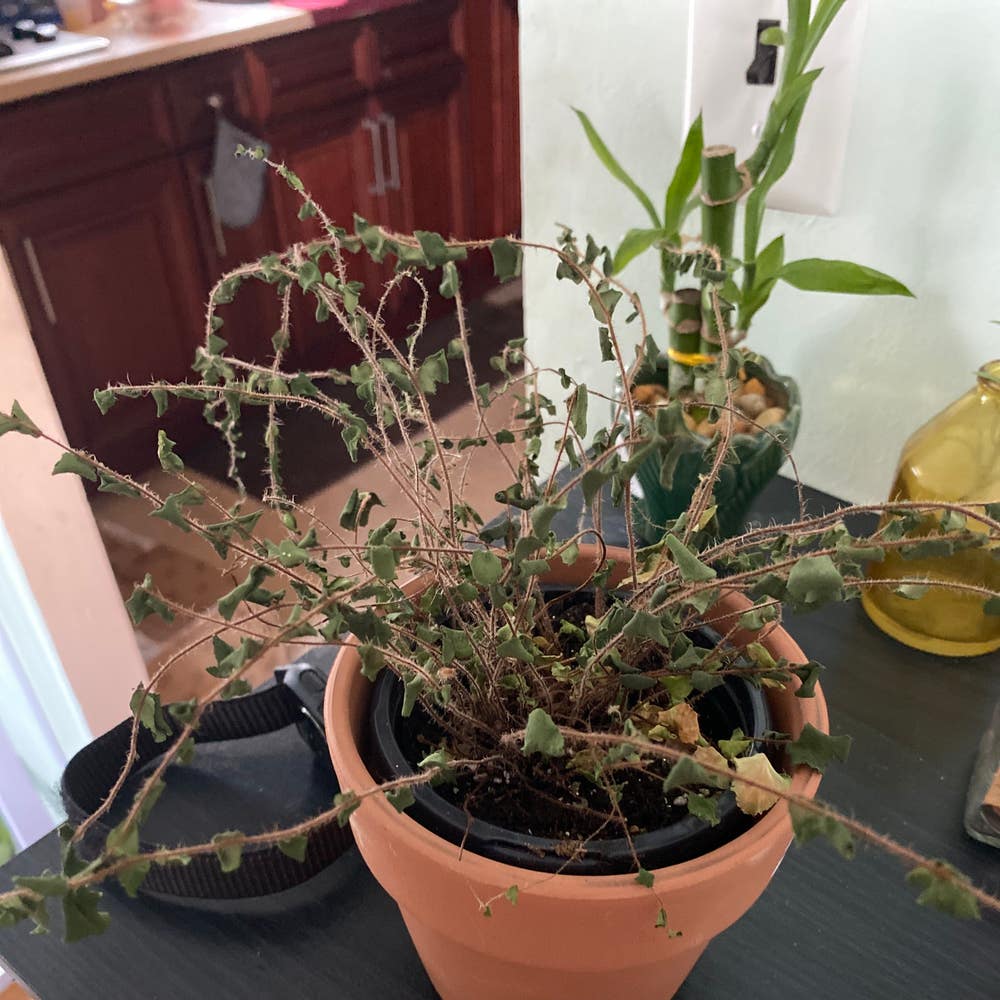
Overwatering can be a sneaky culprit behind your Button Fern's leaf drop.
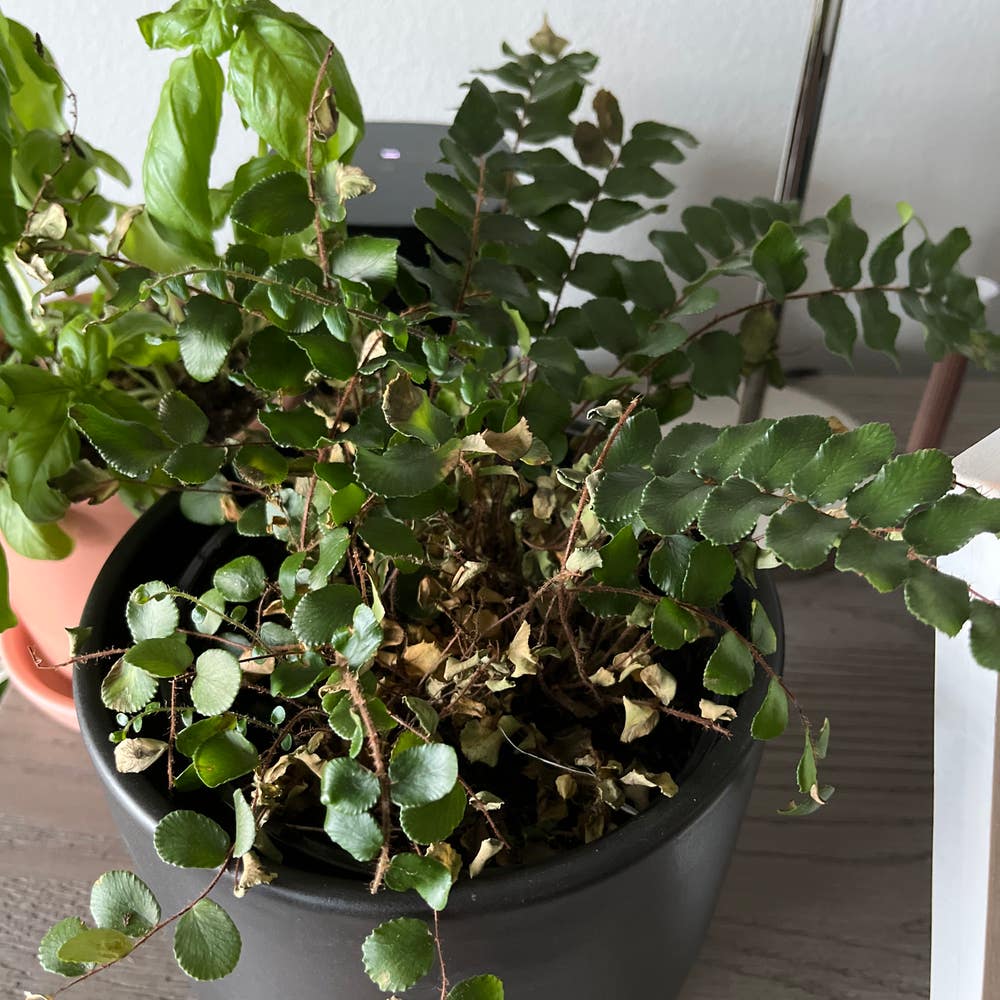
Yellowing leaves are often the first sign, indicating potential root issues.
If you notice wilting despite wet soil, this could signal root rot, a serious condition that needs immediate attention.
Lastly, a foul odor from the soil suggests anaerobic conditions, which can lead to further damage if not addressed.
Signs of Underwatering 💧
On the flip side, underwatering can also stress your fern.
Look for crispy leaf edges; this is a clear sign of dehydration.
If you see leaf drop, it’s your plant's way of responding to insufficient moisture.
Another indicator is when the soil pulls away from the pot edges, signaling extreme dryness that needs to be remedied quickly.
Understanding these signs will help you maintain a healthy watering routine for your Button Fern.
Next, let’s dive into the soil and fertilization needs to keep your fern thriving.
Soil and Fertilization Needs
🌱 Best Soil Types
Choosing the right soil is crucial for your Button Fern's health. A well-draining potting mix enriched with organic matter is highly recommended.
Good drainage prevents root rot, a common issue that can lead to leaf drop. Ensure your pot has drainage holes to facilitate excess water escape.
⚠️ Nutrient Deficiencies Leading to Leaf Drop
Nutrient deficiencies can significantly impact your fern's vitality. A nitrogen deficiency often manifests as yellowing leaves, signaling the need for a nutrient boost.
Iron deficiency can lead to chlorosis, where leaves turn pale or yellow while veins remain green. Addressing these deficiencies promptly can help restore your fern's lush appearance.
📅 Fertilization Schedule and Tips
To keep your Button Fern thriving, fertilize every 4-6 weeks during the growing season. This regular feeding supports healthy growth and vibrant foliage.
Opt for balanced NPK formulas specifically designed for indoor ferns. These fertilizers provide essential nutrients that promote overall plant health.
By understanding soil and fertilization needs, you can create an optimal environment for your Button Fern. Next, let's explore effective watering practices to further enhance its growth.
⚠️ Safety First
This content is for general information and may contain errors, omissions, or outdated details. It is not medical, veterinary advice, or an endorsement of therapeutic claims.
Always consult a qualified healthcare professional before using any plant as food, medicine, or supplement.
Never eat any plant (or feed one to pets) without confirming its identity with at least two trusted sources.
If you suspect poisoning, call Poison Control (800) 222-1222, the Pet Poison Helpline (800) 213-6680, or your local emergency service immediately.
Spotted an error? Please report it here.
Keep your Button Fern lush and vibrant 🌿 by using Greg's personalized care reminders to master watering and nutrient balance for a thriving plant!