Why Are My Pellaea rotundifolia Leaves Droopy?
Hemionitis rotundifolia
By the Greg Editorial Team
Jun 18, 2024•4 min read
This article was created with the help of AI so we can cover more plants for you. May contain errors. See one? Report it here.
- Under/overwatering? Check soil moisture and adjust watering for healthy leaves.
- 🌞🌡️ Bright light and stable temps (65-75°F) keep Pellaea rotundifolia perky.
- Balanced fertilizer and pruning promote growth and prevent droopy leaves.
When Thirsty Leaves Droop
🏜️ Spotting Underwatering
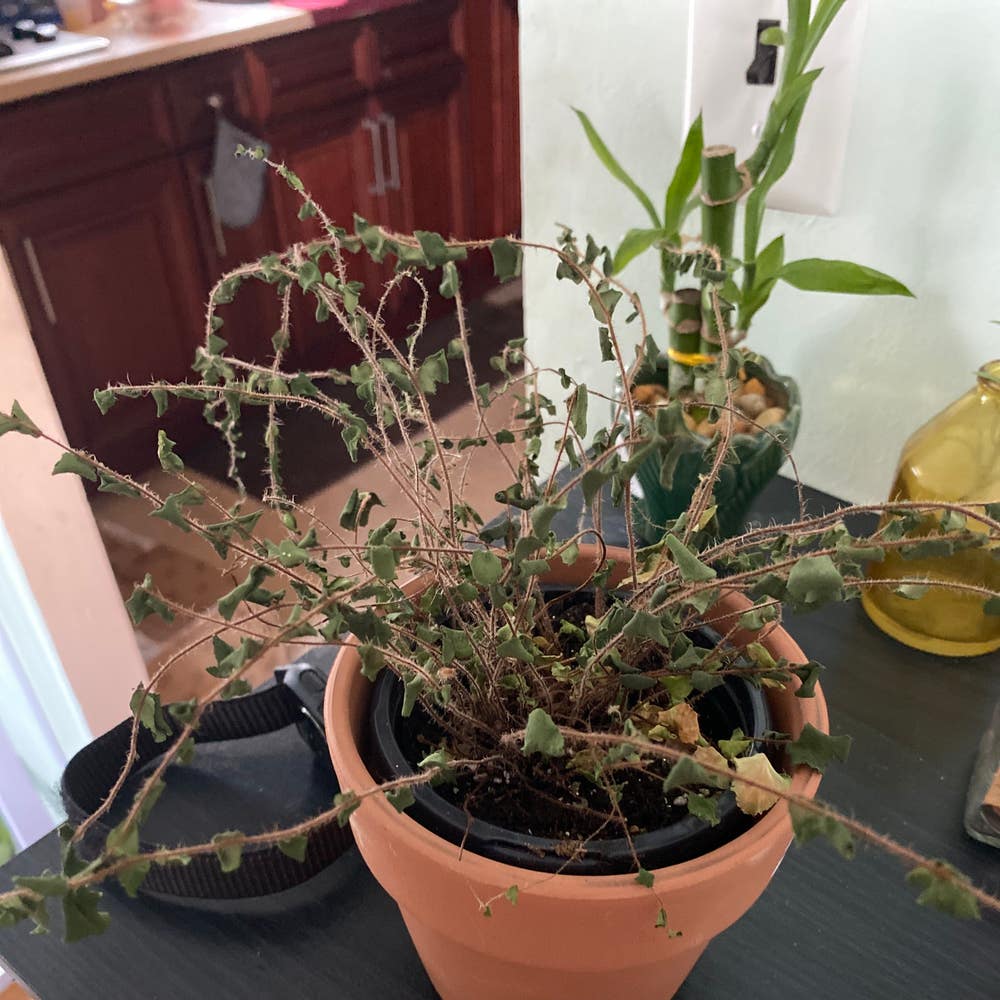
Crispy leaves and stunted growth are your Pellaea rotundifolia's silent screams for hydration. The soil's dryness, especially the top inch, is a clear sign it's time to water.
To quench its thirst, water deeply until excess drains out, but don't let the plant sit in water. Consistency is key—establish a routine check on soil moisture to prevent future droughts.
🚰 The Perils of Overwatering
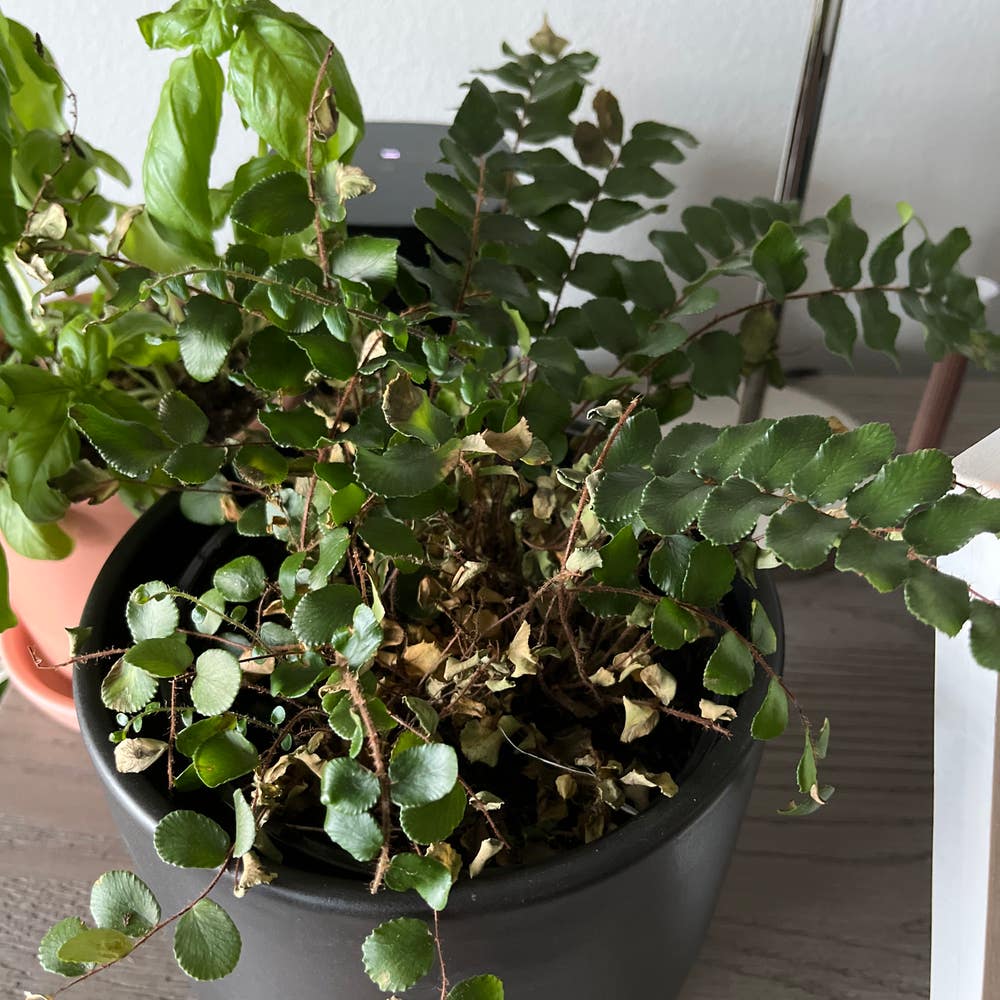
Overwatering symptoms include limp leaves and a general look of despair. If the soil feels like a wet sponge, it's a red flag.
Fine-tune your watering by allowing the topsoil to dry slightly between waterings. This encourages strong root growth and prevents the dreaded fungal fiesta known as root rot.

Light and Temperature: Finding the Sweet Spot
🌞 Too Much Sun or Not Enough?
Your Pellaea rotundifolia's leaves can go from perky to pitiful with the wrong light. Bright, indirect sunlight is the sweet spot. If leaves are fading or drooping, it might be pleading for a shade. Conversely, leggy stems or lackluster growth? It's likely starved for sunlight. Adjust your plant's position to ensure it's getting its light just right, like a well-tailored suit.
🌡️ Keeping Cool (or Warm)
Temperature swings are to plants what icebergs were to the Titanic. Keep your Pellaea rotundifolia in a consistent temperature range, ideally between 65-75°F. Avoid placing it near drafty windows or heat sources, which can cause leaves to droop like a disappointed parent. Creating a stable environment will help your plant thrive, not just survive.

Feeding Your Foliage: Nutrient Know-How
💡 Spotting the Signs of Starvation
Yellow leaves waving the white flag? Nitrogen might be MIA. If your Pellaea rotundifolia's growth has hit the brakes, it could be crying out for phosphorus. And let's not forget potassium – without it, your plant's leaves might droop like they've just run a marathon.
- Iron deficiency can turn your plant into a pale imitation of its former self, especially during growth spurts.
- Stunted growth or leaves that look like they've seen better days? It's your plant's version of a hunger strike for nutrients.
🍽️ The Right Diet for Robust Leaves
Think of fertilizer as a plant's gourmet meal – it's all about balance. Overfeeding can torch your plant's roots like a bad barbecue, so moderation is key. Here's how to avoid turning your Pellaea rotundifolia into a nutrient junkie:
- Soil test: It's like a check-up before prescribing vitamins. Know what's missing before you start supplementing.
- Balanced diet: Use a balanced fertilizer, but don't go overboard. It's a fine line between well-fed and force-fed.
- Observe and adjust: Your plant's not shy; it'll show you how it feels about your feeding regimen. Dial it back if you see signs of nutrient burn, like leaf wilt or those dreaded brown spots.
Remember, it's not just about dumping food on the soil – it's a dance, and you're leading. Keep an eye out for the signs, serve up the right nutrients, and watch your Pellaea rotundifolia thrive.

Reviving Droopy Leaves: Quick Fixes and Long-Term Care
🛠️ Immediate Interventions
Snip off any damaged or droopy leaves. This isn't defeat; it's strategic retreat. By pruning, you're redirecting energy to the healthier parts of the Pellaea rotundifolia.
Keep the temperature steady. Think of your plant as preferring a mild climate, not a rollercoaster of temperature swings. Aim for a cozy 22–28°C range to avoid leaf droop.
Check the soil before watering. If the top inch is dry, it's time for a drink. Use room-temperature water to avoid shocking the roots. If you've been a bit too generous with water, let the soil dry out before the next watering session.
🛡️ Preventative Measures
Humidity is your friend, but don't turn your home into a tropical rainforest. A pebble tray or a humidifier can help, and occasionally, a lukewarm shower can give your plant a quick humidity fix.
Rotate your plant periodically for even growth. Dust off those leaves; they need to breathe for photosynthesis. Keep the environment as stable as a well-loved routine.
Inspect for pests and treat them promptly if you find any. Insecticidal soap or neem oil can be your allies in this battle.
Fertilize with a balanced mix, but don't overfeed. It's a supplement, not a feast. Keep an eye on how your plant responds and adjust accordingly.
In the end, it's about consistency. Keep a watchful eye on your Pellaea rotundifolia, and tweak your care routine as needed. It's not just about fixing the droops; it's about preventing them.
⚠️ Safety First
This content is for general information and may contain errors, omissions, or outdated details. It is not medical, veterinary advice, or an endorsement of therapeutic claims.
Always consult a qualified healthcare professional before using any plant as food, medicine, or supplement.
Never eat any plant (or feed one to pets) without confirming its identity with at least two trusted sources.
If you suspect poisoning, call Poison Control (800) 222-1222, the Pet Poison Helpline (800) 213-6680, or your local emergency service immediately.
Spotted an error? Please report it here.
Ensure your Pellaea rotundifolia never droops again by using Greg's 🌱 custom care schedule to nail the perfect watering and feeding routine.