💧 Why Are My Pellaea rotundifolia Leaves Mushy?
Hemionitis rotundifolia
By the Greg Editorial Team
Jun 18, 2024•3 min read
This article was created with the help of AI so we can cover more plants for you. May contain errors. See one? Report it here.
- 🚿 Overwatering signs: Yellowing, dropping leaves, and brown mushy spots.
- 💧 Improve drainage: Add pebbles and use pots with holes.
- 🍄 Fungal infections: Look for spotted leaves, treat with fungicide.
Spotting the Trouble: Signs of Mushy Leaves
💧 Overwatering Symptoms
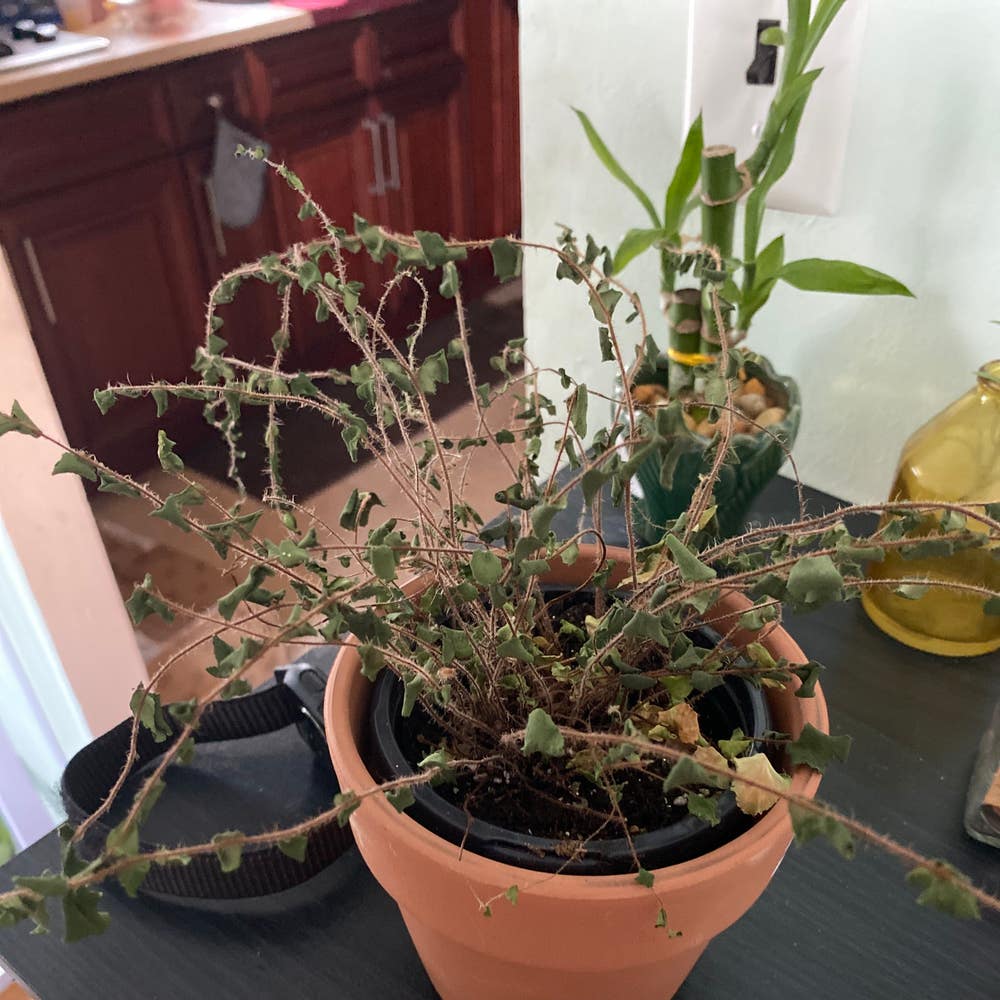
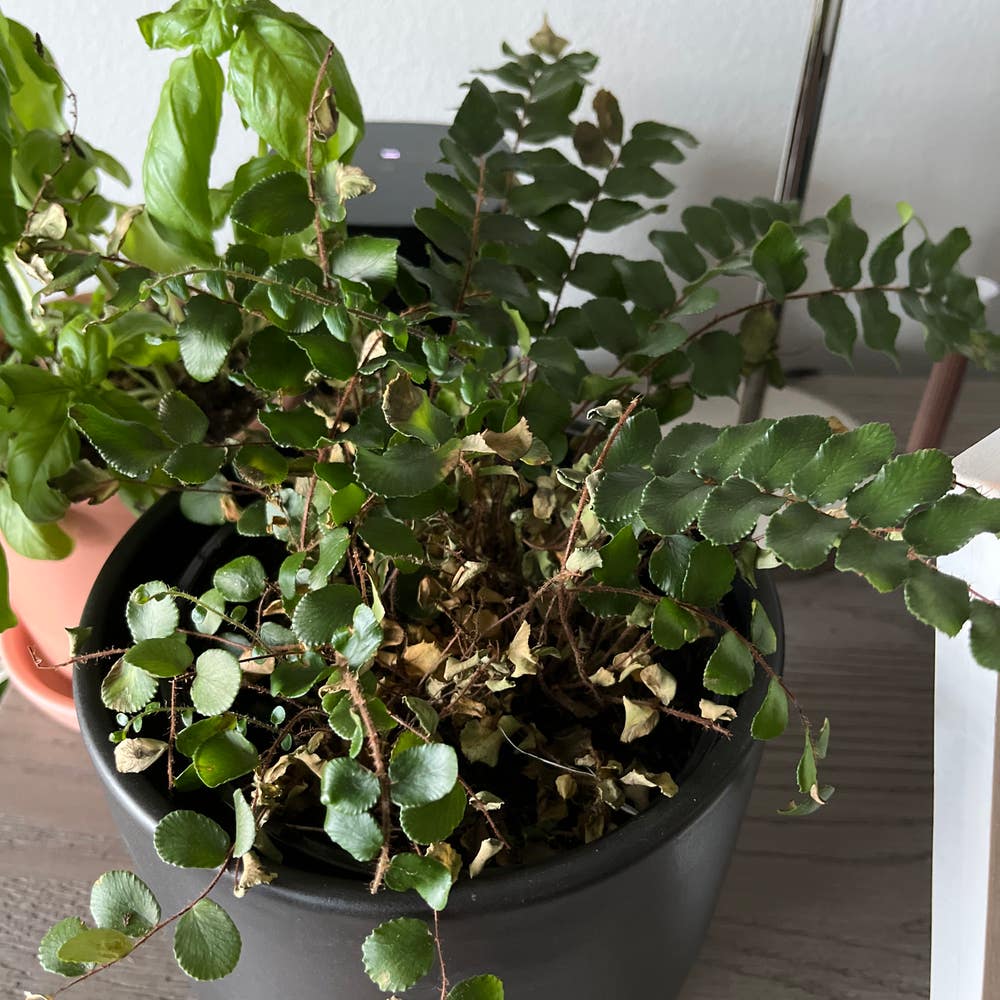
Yellowing leaves both old and new, dropping leaves, and brown mushy spots are telltale signs your Pellaea rotundifolia is getting too much H2O. If the soil feels like a wet sponge days after watering, it's time to ease up on the hydration station.
🚰 Drainage Dilemmas
Poor drainage is like standing in a puddle with no boots; your plant's roots can't escape the water. Moldy soil or a base that's more mush than muscle screams 'Help, I can't breathe!' in plant language. If water zips through the pot without a pit stop, your drainage is more of an escape route.
🍄 Fungal Foes
Spotted leaves with a yellow halo are the graffiti of fungal infections, tagging your plant with unwanted attention. Mushy stems during propagation are a red flag, signaling it's time to play plant doctor—snip the bad parts, and give it a fresh start in soil that's not a swamp.

First Aid for Mushy Leaves
🚱 Cutting Back on Water
Halt the hydration. If your Pellaea rotundifolia's leaves are giving off a mushy vibe, it's time to put the watering can down. Let the soil's top layer dry out completely before you even think about watering again. This isn't neglect; it's necessary tough love.
🚰 Drainage Boosters
Elevate drainage. If your plant's pot is more sealed than a submarine, it's time for an intervention. Add a layer of pebbles or gravel at the bottom to act as a mini drainage system. It's a simple fix, but it can mean the difference between soggy and splendid.
🍄 Fighting the Fungus
Declare war on fungi. If you spot brown, mushy invaders, reach for a fungicide. But don't just spray willy-nilly; read the label and follow the instructions like your plant's life depends on it—because it does. And remember, sterilize your tools before and after surgery to prevent spreading the spores.

Long-Term Care to Keep Leaves Firm
💧 Watering Wisdom
Check the soil's moisture level before watering your Pellaea rotundifolia. If dry an inch below the surface, it's time to water. In winter, water less to avoid root rot.
🌱 Soil and Pot Perfection
Select a pot with drainage holes and use a soil mix that's akin to a cactus blend. Add sand and perlite to ensure water flows freely, preventing root rot.
🌿 Creating the Ideal Environment
Maintain consistent humidity and air flow around your Pellaea rotundifolia. Avoid drastic changes in the plant's environment to prevent stress.

⚠️ Safety First
This content is for general information and may contain errors, omissions, or outdated details. It is not medical, veterinary advice, or an endorsement of therapeutic claims.
Always consult a qualified healthcare professional before using any plant as food, medicine, or supplement.
Never eat any plant (or feed one to pets) without confirming its identity with at least two trusted sources.
If you suspect poisoning, call Poison Control (800) 222-1222, the Pet Poison Helpline (800) 213-6680, or your local emergency service immediately.
Spotted an error? Please report it here.
Avoid the mushy-leaf mishap in your Pellaea rotundifolia by perfecting your watering schedule 🌱 with Greg's tailored reminders based on your home's unique environment.