Propagating Pellaea rotundifolia: Step-by-Step Guide
Hemionitis rotundifolia
By the Greg Editorial Team
Jun 18, 2024•4 min read
This article was created with the help of AI so we can cover more plants for you. May contain errors. See one? Report it here.
- Harvest spores when sori brown; store in paper for propagation.
- Divide in spring/autumn using sterilized tools for new growth.
- Root rhizome cuttings in moist medium with high humidity.
Step-by-Step to Spore Propagation
🌿 Collecting Spores
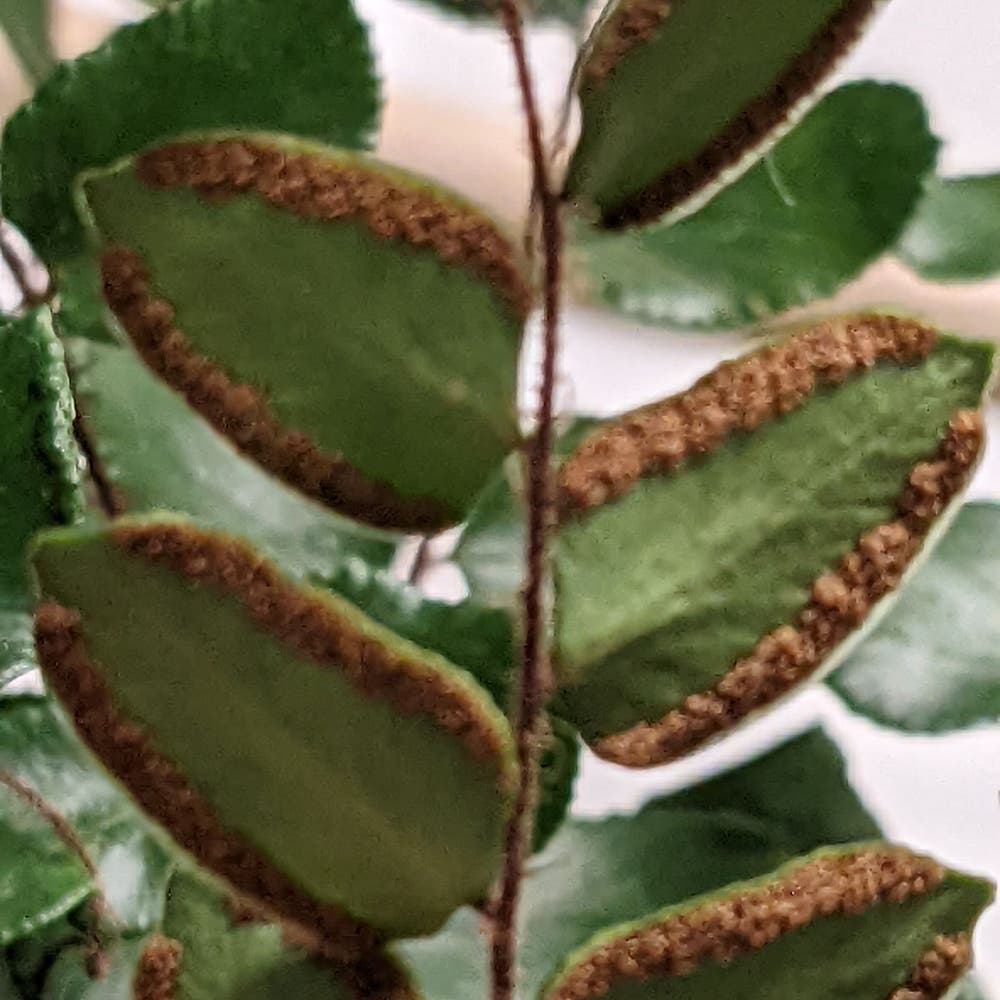
To harvest spores from Pellaea rotundifolia, wait for the sori on the fronds to turn brown, signaling ripeness. Carefully snip the frond and store it in a paper envelope. As it dries, the spores will release and gather at the bottom, ready for the next step.
🌱 Sowing and Germinating Spores
Prepare a tray with peat-based medium, mimicking the spores' natural bed. Scatter the spores on the surface, ensuring they remain uncovered as they require light to germinate. Think of it as dusting sugar on a cake—gentle and even.
🌦 Creating Ideal Conditions
Cover the tray with plastic wrap to maintain high humidity and place it in indirect light, emulating a misty rainforest ambiance. Monitor the environment to keep it consistently warm and moist, avoiding extremes. Patience is key; a green film, the prothallus, will appear, indicating the start of germination.

Dividing Your Pellaea rotundifolia
🌱 When and How to Divide
Spring or early autumn is prime time for division, dodging the extremes of winter chill and summer sizzle. Let's cut to the chase:
- Choose Wisely: Look for a robust parent plant that's bursting at the seams of its pot.
- Gear Up: Sterilized sharp knife or scissors, check. New pots with drainage, check.
- Gentle Unpotting: Coax the plant out. No yanking—think of it as a plant whisperer's gentle nudge.
- Root Inspection: Healthy roots are your green light. Mushy, brown ones? Red flag.
- The Slice: Identify natural divisions and slice through the root ball with confidence.
- Potting: Nestle each division into its new abode with fresh soil. No deep burials; keep it level.
🌿 Post-Division Care
Now, don't just walk away. These babies need you more than ever.
- Water Wisely: Moist, not soggy. Think of it as a sponge that's damp but not dripping.
- Light It Right: Bright, indirect light. No sunbathing yet; these are not your average beachgoers.
- Humidity Haven: They love a good mist. Not a downpour, just a refreshing spritz.
- Patience, Grasshopper: Growth might be shy at first. Give it time, and watch your green family grow.

Rooting Rhizome Cuttings
🌱 Taking Rhizome Cuttings
Rhizome propagation: not for the faint of heart, but oh-so rewarding. First, select a healthy rhizome; vibrant and firm is your golden ticket. Sterilize that knife—think surgeon clean—and slice with purpose. Each piece needs at least one frond and a bit of root, like a mini survival kit.
🌱 Encouraging Root Development
Now, let's get those rhizome cuttings to sprout roots like it's their job—because it is. Moist sand or soil works wonders as a rooting medium. If you're feeling fancy, a dash of rooting hormone can be like a pep talk for those cuttings. Keep conditions humid but not soggy; think tropical mist, not swamp. Patience is key; roots don't grow overnight, but when they do, it's like a plant victory dance.

Overcoming Propagation Pitfalls
🌱 Common Issues and Solutions
Root rot is the archenemy of propagation. If your Pellaea rotundifolia's roots resemble overcooked pasta, it's time to act. Trim the affected parts and let the healthy roots breathe before replanting in a mix that drains like a dream.
Overwatering is often the culprit behind root rot. Keep the soil moist but not waterlogged, and ensure your containers have drainage holes to avoid creating a mini swamp.
Seedlings can suffer from damping off, a fungal issue that thrives in wet conditions. To prevent this, maintain a moist but not soggy environment and promote good air circulation.
Sterility is crucial. Dirty tools can introduce diseases, so clean your equipment with a bleach solution to keep things pathogen-free.
If your cuttings are more barren than a winter tree, check the temperature and light. They need warmth and bright, indirect light to encourage rooting.
🌿 Monitoring and Adjusting Care
Yellowing leaves or a squishy base scream overwatering or poor drainage. Adjust your watering schedule and ensure proper drainage to prevent these issues.
Stunted growth or discoloration can indicate nutrient deficiencies or pests. Keep a vigilant eye and act quickly to address these problems.
Regular monitoring is key. If your Pellaea rotundifolia is throwing a fit, it's time to reassess your care routine. Remember, each plant has its own preferences.
In the world of propagation, patience is a virtue. Stay clean, stay observant, and give your plants the TLC they need to overcome any hurdle.
⚠️ Safety First
This content is for general information and may contain errors, omissions, or outdated details. It is not medical, veterinary advice, or an endorsement of therapeutic claims.
Always consult a qualified healthcare professional before using any plant as food, medicine, or supplement.
Never eat any plant (or feed one to pets) without confirming its identity with at least two trusted sources.
If you suspect poisoning, call Poison Control (800) 222-1222, the Pet Poison Helpline (800) 213-6680, or your local emergency service immediately.
Spotted an error? Please report it here.
Turn your home into a fern paradise by mastering Pellaea rotundifolia propagation with this guide, and count on Greg's reminders 🌿 to water and divide at the perfect time!