Why Are My Pellaea rotundifolia Leaves Curling?
Hemionitis rotundifolia
By the Greg Editorial Team
Jun 18, 2024•4 min read
This article was created with the help of AI so we can cover more plants for you. May contain errors. See one? Report it here.
- 🌱 Consistent watering and drainage prevent Pellaea leaf curl.
- 🌡️ Stable temperatures and humidity are crucial for healthy leaves.
- 🌞 Balance light exposure to avoid curling and scorching.
Spotting the Signs: When Your Pellaea's Leaves Start to Curl
🌀 Identifying Curl Patterns
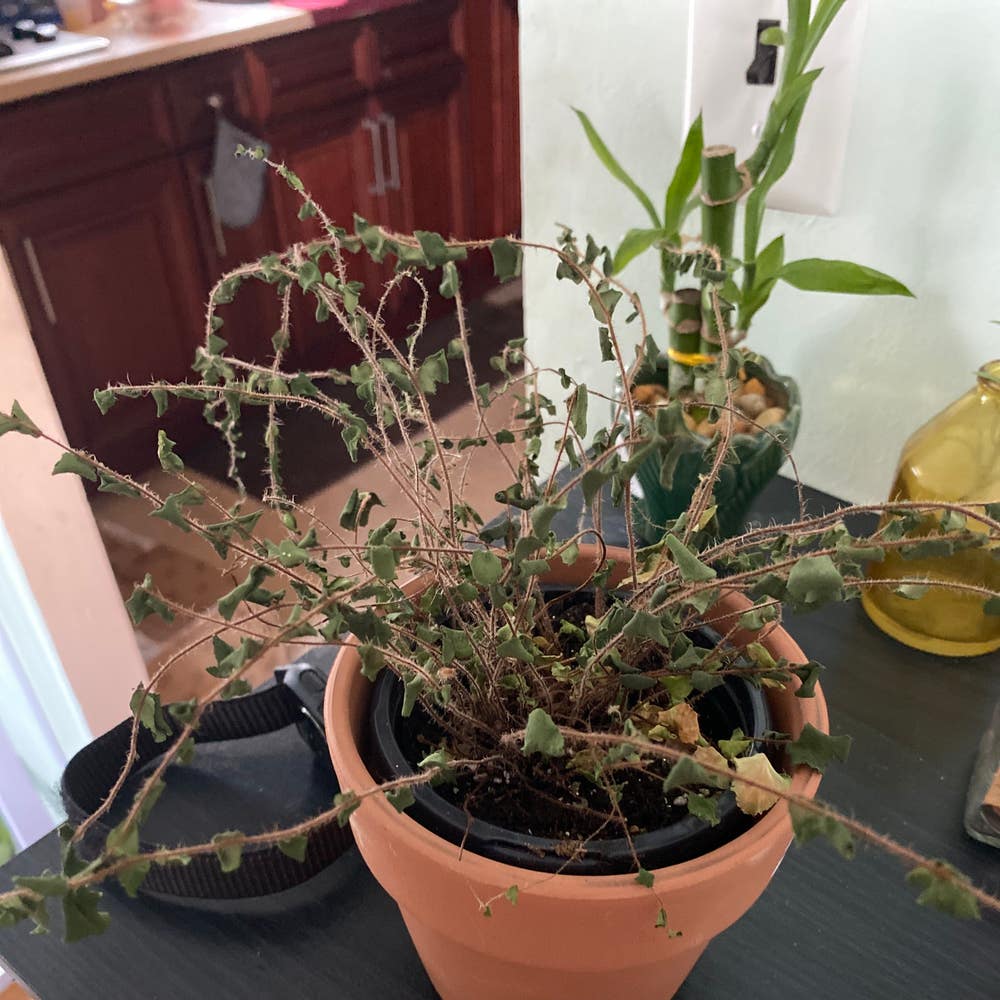
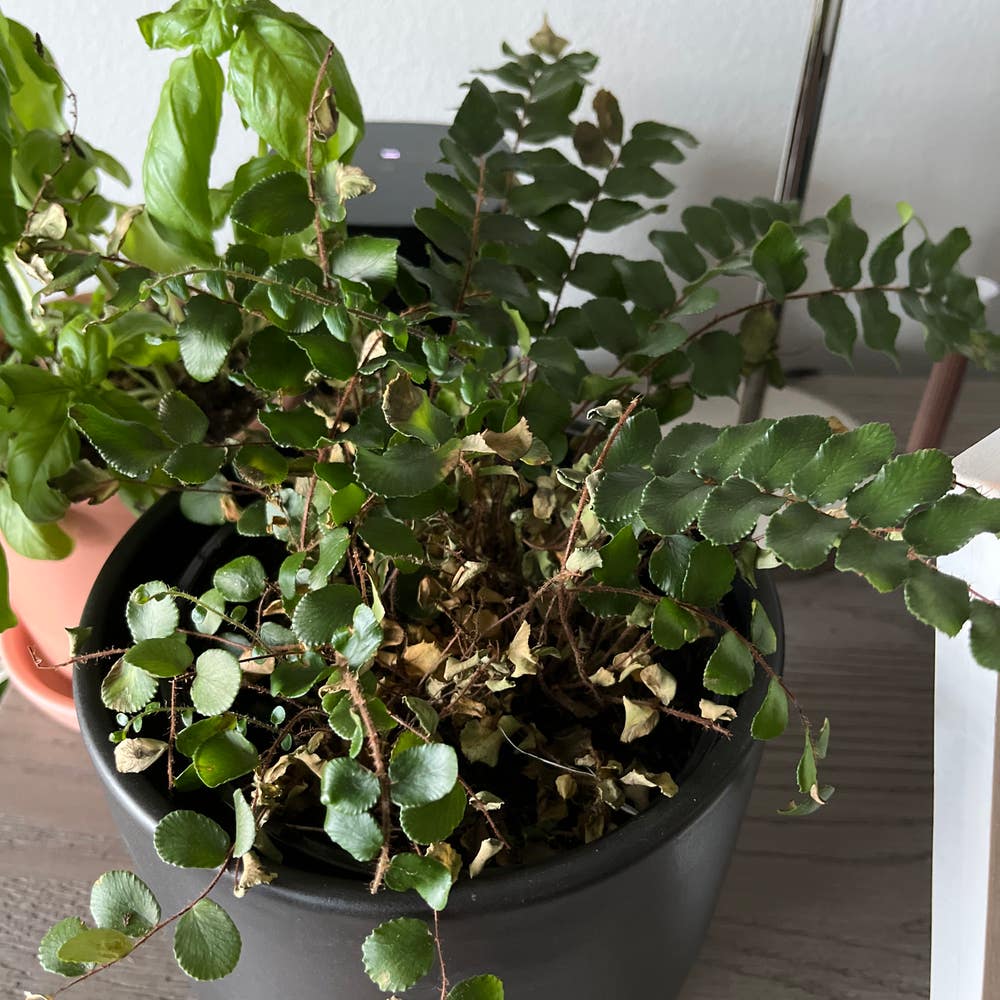
Curling leaves on your Pellaea rotundifolia can be as subtle as a whisper or as obvious as a shout. Look for leaves that mimic a scroll or a gymnast's ribbon. If they're rolling up, it's time to turn detective.
🔍 Checking for Pests and Diseases
Pests love to throw secret parties on your plants. Check for webbing or yellow speckling, signs of spider mites or other uninvited guests. On the disease front, watch for unusual spots or powdery residues. Remember, these issues often start where you're not looking—underneath the leaves.

The Usual Suspects: Common Causes of Leaf Curling
💧 Thirsty Roots or Drowning?
Overwatering can suffocate Pellaea rotundifolia's roots, leading to a sad display of curled leaves. Conversely, underwatering leaves the plant dehydrated, with leaves curling inward as if trying to hoard every last drop. Consistency in watering is like a trusty compass for navigating the seas of plant care.
🌡️ It's Getting Hot in Here
Temperature swings are like unexpected plot twists for Pellaea rotundifolia. Too hot, and the leaves curl up in protest; too cold, and they might as well hug themselves tight. Stable temperatures keep your plant's leaves drama-free.
🌞 Light: Finding the Sweet Spot
Light levels can make or break your Pellaea's leaf flatness. Too much sun, and the leaves crisp up like overdone bacon; too little, and they stretch out, yearning for more. Finding that Goldilocks zone of just-right light is key to preventing leaf curling.

First Aid for Curly Leaves
💧 Adjusting Your Watering Routine
Watering your Pellaea rotundifolia is more art than science. Overwatering can drown its roots, while underwatering leaves it parched. To strike a balance, let the soil dry slightly before the next watering. Use room temperature water and check for proper drainage to prevent root rot.
🏡 Creating a Cozy Environment
Your Pellaea thrives in a stable environment. Temperature fluctuations and incorrect humidity levels can stress your plant, leading to curling leaves. Aim for a consistent temperature and consider a humidifier if your air is too dry. Remember, your bathroom or kitchen could be a humidity haven.
🌞 Let There Be (The Right Amount of) Light
Too much light scorches leaves, too little leaves them reaching. Filter harsh sunlight with sheer curtains or strategically placed shelves. Your Pellaea desires bright, indirect light—think of it as its personal spa retreat for optimal leaf uncurling.

Keeping It Straight: Preventing Future Curling
🕵️ Regular Check-ups
Vigilance is your plant's best friend. Regularly inspect your Pellaea rotundifolia for signs of distress, like color changes or unusual textures. Think of these check-ups as a health barometer; they're crucial for catching issues before they escalate into full-blown leaf curling.
🌿 The Perfect Pellaea Habitat
Creating an ideal environment for your Pellaea is like setting up a microclimate tailored to its needs. Ensure the humidity and temperature mimic its native habitat—consistently warm and moist, but not wet. Use a hygrometer to keep the humidity in check, and avoid placing your plant near heaters or drafts.
🌱 Soil and Water Balance
Soil moisture is a balancing act. Before watering, check that the top inch of soil is dry. Overwatering is a no-go; your Pellaea isn't auditioning for a role in "Waterworld." Aim for a well-draining potting mix that holds moisture without becoming soggy.
🌼 Fertilization: Less is More
When it comes to fertilizer, think of it as a spice—too much can overwhelm the dish. Use a balanced, half-strength fertilizer during the growing season, and remember, overfeeding can cause more problems than it solves.
✂️ Pruning and Rotation
Keep your Pellaea in shape with regular pruning to encourage bushiness and remove any unhealthy leaves. Rotate the plant for even light exposure, ensuring all sides receive their fair share of the spotlight.
🌍 Environmental Consistency
Finally, embrace consistency in your care routine. Sudden changes are to plants what plot twists are to viewers—startling and potentially upsetting. By maintaining stable conditions, you'll prevent those leaves from taking a curly turn down the road.
⚠️ Safety First
This content is for general information and may contain errors, omissions, or outdated details. It is not medical, veterinary advice, or an endorsement of therapeutic claims.
Always consult a qualified healthcare professional before using any plant as food, medicine, or supplement.
Never eat any plant (or feed one to pets) without confirming its identity with at least two trusted sources.
If you suspect poisoning, call Poison Control (800) 222-1222, the Pet Poison Helpline (800) 213-6680, or your local emergency service immediately.
Spotted an error? Please report it here.
Prevent your Pellaea rotundifolia's leaves from curling by stabilizing 🌡 your plant's environment with Greg's tailored care schedule and real-time monitoring.