Understanding Curling Leaves on Your Button Fern
Hemionitis rotundifolia
By the Greg Editorial Team
Oct 11, 2024•6 min read
This article was created with the help of AI so we can cover more plants for you. May contain errors. See one? Report it here.
- 🌬️ High humidity (50-70%) is crucial; low levels cause curling leaves on Button Ferns.
- 🌡️ Maintain temperatures between 60°F-75°F to prevent stress and curling in your fern.
- 🌱 Regularly check soil moisture to avoid overwatering or underwatering, which leads to leaf issues.
Causes of Curling Leaves
🌧️ Environmental Stress
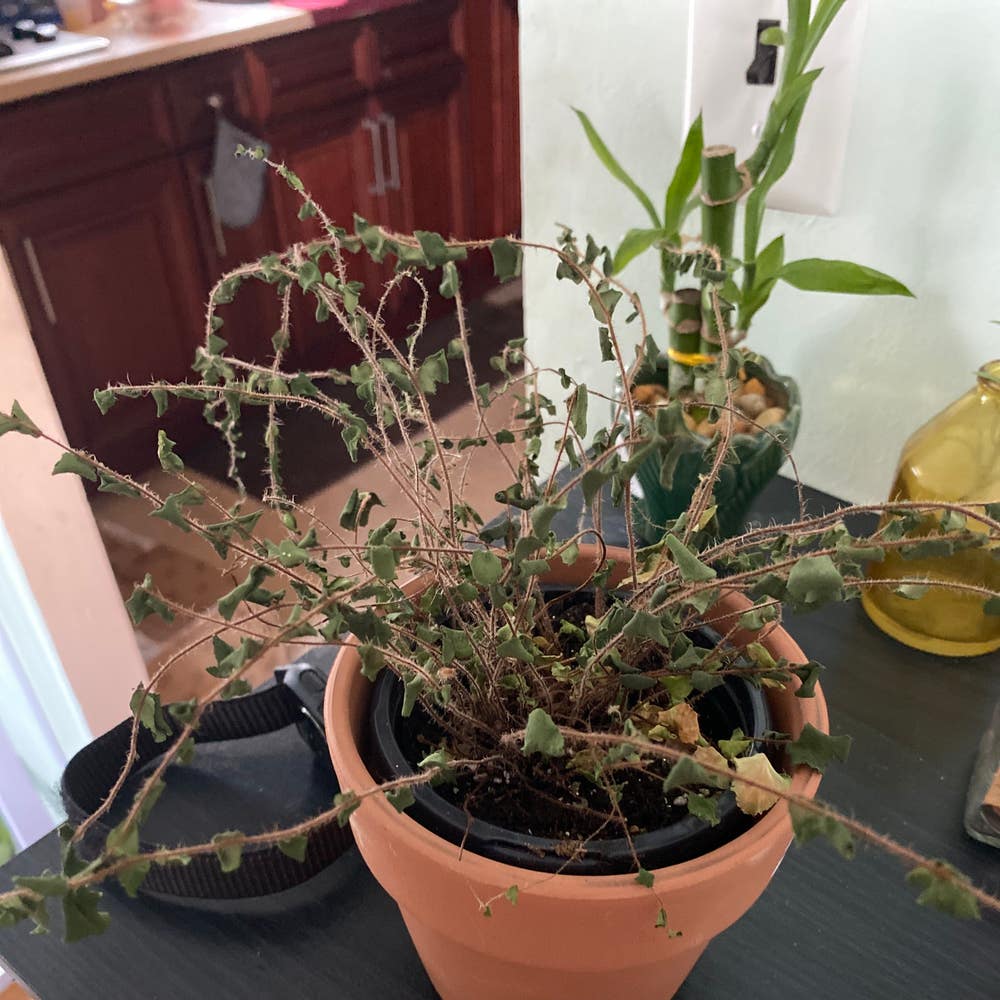
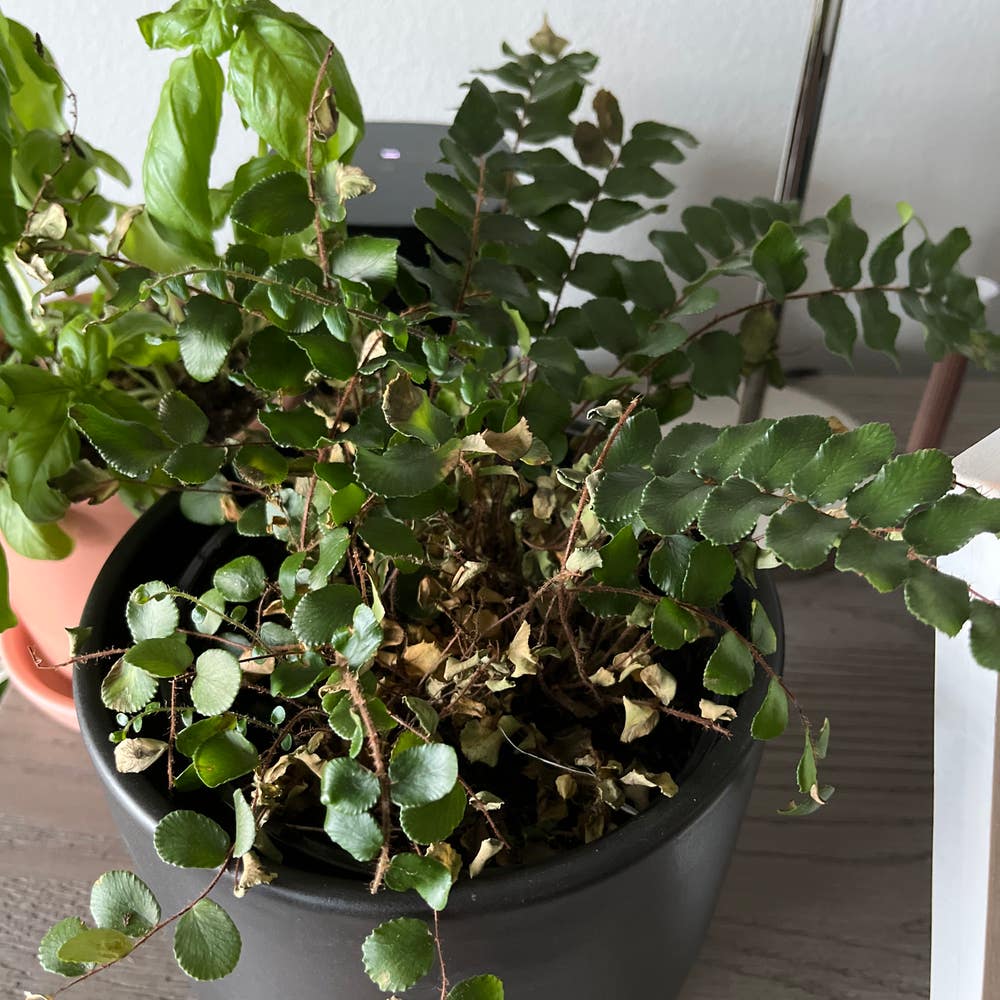
Button Ferns thrive in high humidity, ideally between 50-70%. When humidity drops, leaves may curl and become crispy, signaling distress.
Temperature is another critical factor. The ideal range for Button Ferns is 60°F to 75°F (15°C to 24°C). Sudden fluctuations can lead to curling leaves as the plant struggles to adapt.
💧 Watering Issues
Watering practices can significantly impact your fern's health. Overwatering often manifests as yellowing leaves and root rot, while underwatering leads to wilting and dry leaf tips.
To keep your Button Fern happy, aim for consistently moist soil without sogginess. Regular checks can help you find the right balance.
🐜 Pest Infestations
Pests can wreak havoc on your Button Fern. Common culprits include aphids and spider mites, which can cause significant damage if left unchecked.
Look for signs of infestation, such as webbing, sticky residue, or visible insects on the leaves. Early detection is key to preventing further issues.
🌱 Nutrient Deficiencies
Nutrient deficiencies can also lead to curling leaves. Essential nutrients like nitrogen, potassium, and magnesium are crucial for your fern's growth.
Symptoms of deficiency often include yellowing leaves and stunted growth. Regular fertilization can help keep your plant nourished and thriving.
Understanding these causes is the first step in addressing curling leaves on your Button Fern. Next, we'll explore how to diagnose the specific problem affecting your plant.
Diagnosing the Problem
🌤️ Assessing Environmental Conditions
Ideal Humidity Levels for Button Fern
To keep your Button Fern thriving, maintain humidity levels between 50-70%. A hygrometer can be your best friend here, helping you monitor those crucial moisture levels.
Optimal Temperature Range
The ideal temperature range for your fern is between 60°F to 75°F (15°C to 24°C). Be mindful of sudden temperature drops, as they can stress your plant.
Light Exposure and Its Effects
Button Ferns love bright, indirect sunlight. If you notice stretched growth or pale leaves, it’s a sign that your plant isn’t getting enough light.
🐛 Identifying Pests and Diseases
Common Pests Affecting Button Fern
Watch out for aphids, those small green insects that suck sap from your fern. Spider mites are another concern; they thrive in low humidity and spin tiny webs on your plant.
Signs of Fungal or Bacterial Infections
Fungal infections can manifest as black spots or mold on leaves, while bacterial infections may show up as water-soaked spots leading to leaf drop. Keep an eye out for these signs to catch issues early.
Understanding these environmental conditions and potential pests will help you diagnose the problems affecting your Button Fern. With this knowledge, you can take the necessary steps to restore its health and beauty.
Treating Curling Leaves
🌊 Immediate Solutions
Adjusting Watering Practices
Check soil moisture: Use your finger to test the top inch of soil. This simple step helps you gauge whether your Button Fern needs water.
Watering frequency: Water when the top inch feels dry. Consistency is key to keeping your plant healthy.
Drainage: Ensure pots have drainage holes to prevent waterlogging. Proper drainage helps avoid root rot, a common issue for Button Ferns.
🌬️ Increasing Humidity Levels
Use a humidifier: Maintain humidity levels above 50%. This creates a more favorable environment for your fern.
Group plants: Cluster plants together to create a microenvironment. This not only boosts humidity but also enhances the aesthetic of your space.
Pebble trays: Place pots on trays filled with water and pebbles. As the water evaporates, it increases humidity around your plants.
🐛 Treating Pests with Insecticidal Soap or Neem Oil
Identify pests: Inspect leaves and stems closely. Look for signs like webbing or sticky residue.
Application: Spray affected areas thoroughly, following product instructions. This ensures that pests are effectively targeted.
Repeat treatment: Every 7-10 days until pests are gone. Consistency in treatment is crucial for pest control.
📅 Long-term Care Strategies
Regular Monitoring of Environmental Conditions
Weekly checks: Assess humidity, temperature, and light exposure. Regular monitoring helps you catch issues before they escalate.
Adjustments: Make changes as needed based on seasonal variations. Being proactive can save your fern from stress.
🌱 Fertilization Practices to Prevent Nutrient Deficiencies
Recommended fertilizer: Use a balanced, water-soluble fertilizer every 4-6 weeks during the growing season. This supports healthy growth.
Signs of over-fertilization: Watch for leaf burn and curling. Too much fertilizer can be just as harmful as too little.
🪴 Repotting Considerations for Soil Health
When to repot: Every 1-2 years or when root-bound. Repotting refreshes the soil and gives roots more space to grow.
Soil mix: Use a well-draining potting mix with organic matter. This combination promotes healthy root development and prevents water retention issues.
By implementing these immediate solutions and long-term strategies, you can effectively treat and prevent curling leaves on your Button Fern. With a little care and attention, your fern will thrive and bring beauty to your space.
Next, let’s explore how to prevent future curling and ensure your fern remains healthy year-round.
Preventing Future Curling
🌱 Best Practices for Button Fern Care
Maintaining Consistent Humidity and Temperature
To keep your Button Fern thriving, regularly check humidity levels. Aim for a range of 50-70% and adjust as necessary.
Avoid placing your fern near heating vents or drafty windows. These conditions can lead to stress and curling leaves.
Proper Watering Techniques
Water your fern thoroughly until excess drains out of the pot. This ensures the roots receive adequate moisture.
Be cautious not to let the plant sit in standing water. This can lead to root rot and further complications.
Choosing the Right Soil Mix
Select a soil mix specifically designed for ferns. A combination of peat, perlite, and compost works wonders for drainage and nutrient retention.
Good drainage is crucial to prevent root rot. Always ensure your pot has drainage holes.
🍂 Seasonal Care Tips
Adjusting Care During Different Seasons
In winter, reduce your watering frequency as the plant's growth slows down. This helps prevent overwatering during dormancy.
During summer, increase humidity and watering as growth accelerates. Your fern will appreciate the extra care.
Preparing for Seasonal Changes in Humidity and Temperature
Monitor changes in humidity and temperature closely. Be proactive in adjusting care as the seasons shift.
Use protective measures, like moving your fern away from drafts or direct heat sources. This simple step can make a significant difference in its health.
By following these best practices and seasonal tips, you can help your Button Fern flourish and prevent those pesky curling leaves. Next, let’s dive into diagnosing any issues you might encounter.
⚠️ Safety First
This content is for general information and may contain errors, omissions, or outdated details. It is not medical, veterinary advice, or an endorsement of therapeutic claims.
Always consult a qualified healthcare professional before using any plant as food, medicine, or supplement.
Never eat any plant (or feed one to pets) without confirming its identity with at least two trusted sources.
If you suspect poisoning, call Poison Control (800) 222-1222, the Pet Poison Helpline (800) 213-6680, or your local emergency service immediately.
Spotted an error? Please report it here.
Keep your Button Fern thriving 🌿 with Greg's tailored care reminders and humidity monitoring to prevent curling leaves and ensure vibrant growth!