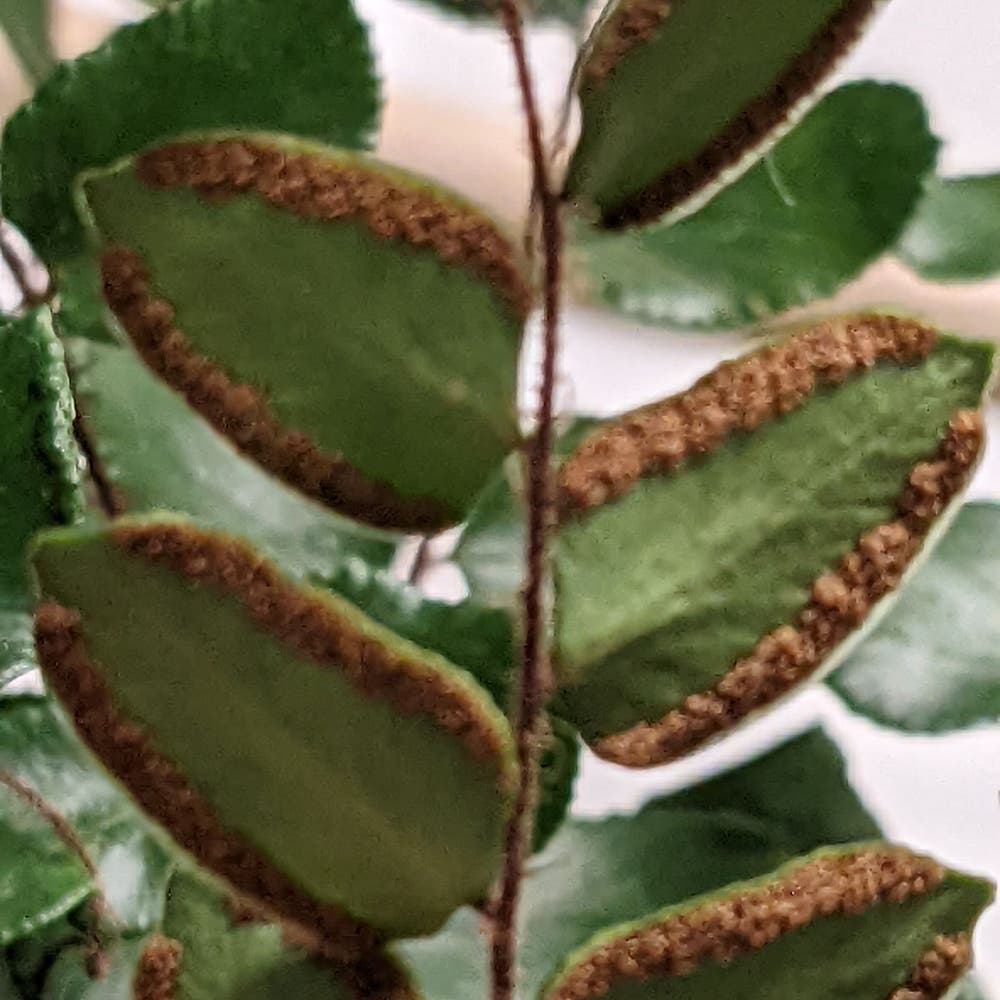
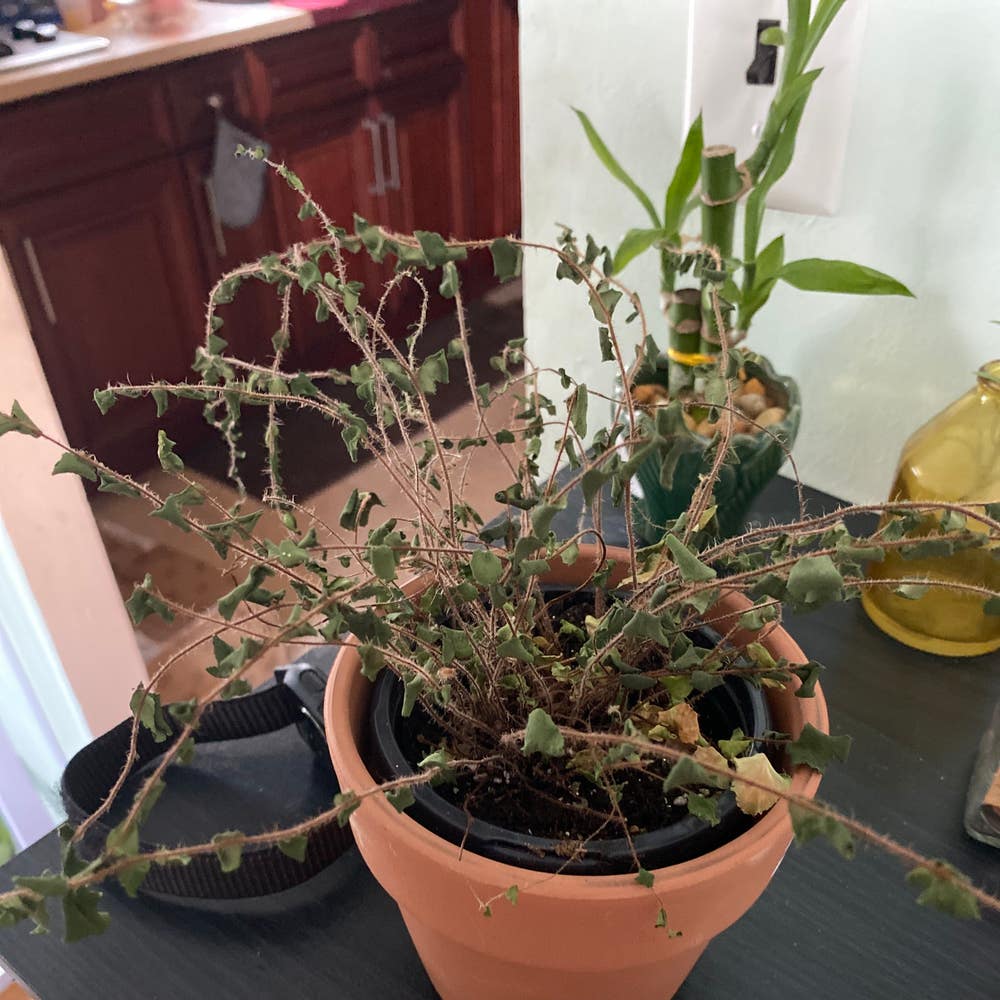
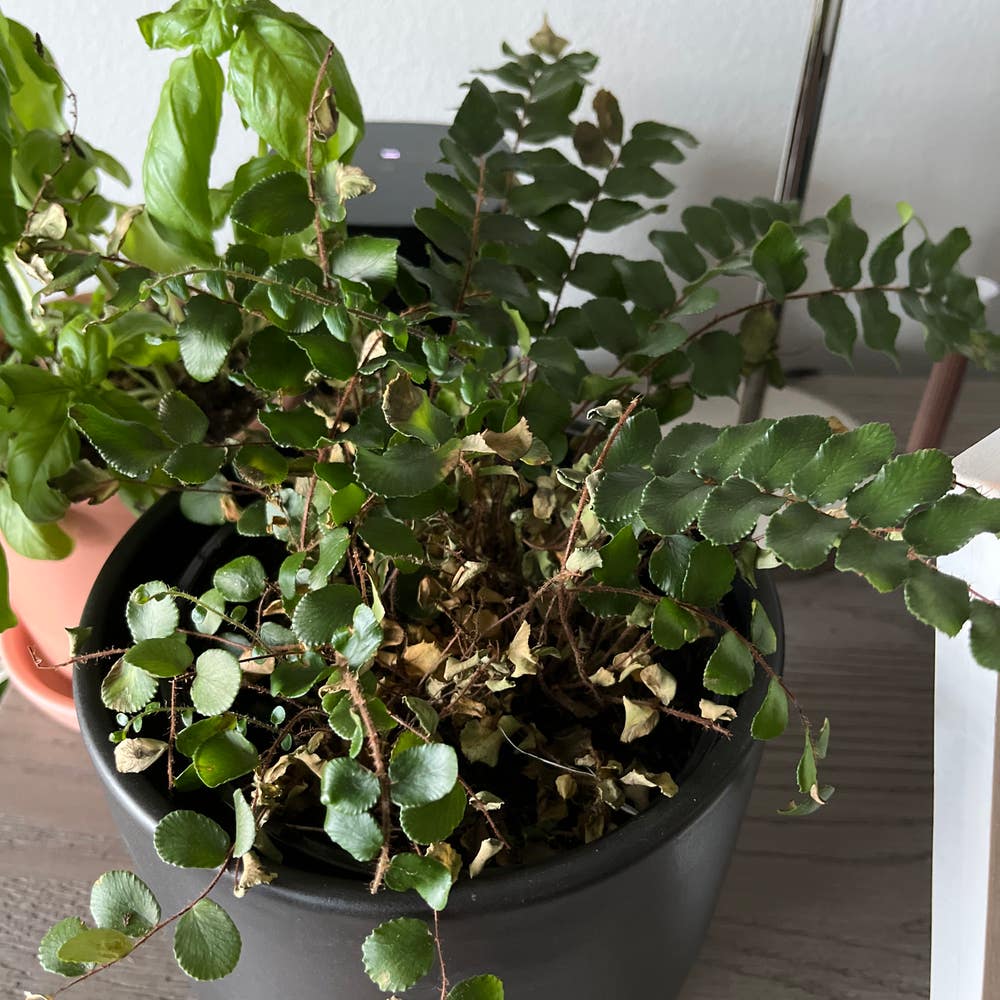
How to Get a Pellaea rotundifolia to Bloom
Hemionitis rotundifolia
By the Greg Editorial Team
Jun 18, 2024•5 min read
This article was created with the help of AI so we can cover more plants for you. May contain errors. See one? Report it here.
- Bright, indirect light and timed cycles promote blooming.
- Ideal conditions: 65°F-75°F and 50%-60% humidity.
- Prune and fertilize with phosphorus for prolific blooms.
Light and Love: The Right Shine for Pellaea Blooms
⭐️ Optimal Light Conditions for Flowering
Pellaea rotundifolia, a bit of a diva in the plant world, demands just the right light to strut its stuff and bloom. It craves bright, indirect light, akin to a shaded spotlight on a stage. Too much direct sunlight, and it's a recipe for leaf burn; too little, and you'll get a lackluster performance.
🌅 Mimicking Natural Light Cycles
To coax those elusive blooms, play lighting director and simulate natural light cycles. This means longer periods of light during the growing season and shorter ones as the days wane. Consider investing in a timer for your lights – it's like setting an alarm clock for your plant's internal clock.

Temperature and Humidity: The Blooming Dance
🌡️ Warmth and Coolness: Finding the Balance
To trigger Pellaea rotundifolia flowers, think warm but not hot. Ideal temperatures hover between 65°F and 75°F. It's like setting the mood for a romantic dinner—too cold and the spark won't ignite, too hot and you'll wilt the mood.
💦 Humidity Hacks for Healthy Blooms
Humidity is your secret weapon for lush Pellaea blooms. Aim for a comfortable 50% to 60% humidity level. Too dry, and your plant's thirst goes unquenched; too damp, and you're flirting with fungal disasters. Use a humidity meter to keep the guesswork out of your plant care routine.

Pruning for Prolific Blooms
🌸 Strategic Snips for Flowering Success
Pruning isn't just about keeping your Pellaea rotundifolia in shape; it's a critical step in encouraging it to bloom. Snip judiciously, focusing on dead or damaged growth that saps the plant's energy. Cut right above a leaf node to promote new growth. This is where your plant will push out fresh foliage and, hopefully, flowers.
🌼 Keeping the Plant Healthy and Ready to Bloom
Regular maintenance is key to a bloom-ready Pellaea rotundifolia. Deadheading spent flowers is a non-negotiable; it redirects energy from seed production back to bloom creation. Keep your tools sharp and clean to avoid inflicting more stress on the plant. Post-pruning, it's time for a little TLC—ensure your plant gets the right mix of light and water to recover and gear up for its next performance.

Feeding for Flowers: Fertilization Focus
💐 Nutritional Needs for Blooming
Phosphorus is the Pellaea rotundifolia's wingman for blooming. This nutrient plays a pivotal role in encouraging those elusive flowers. However, it's not just about piling on the phosphorus; balance is key. Nitrogen and potassium, along with a suite of micronutrients, complete the blooming entourage.
🌱 Fertilizer Types and Timing
When it comes to fertilizers, think of them as a plant's multivitamin. A balanced fertilizer with a slight edge on phosphorus, the middle number in the N-P-K ratio, is your best bet. Apply it during the growing season; that's when your Pellaea is in beast mode, ready to bloom. But hold your horses in winter—your plant's chilling, not chowing down.
Remember, more isn't merrier. Stick to the recommended dosage on the fertilizer package to avoid the dreaded nutrient overload. And always, always water after fertilizing to help your plant soak up the good stuff and prevent root burn. It's like a hydrating pat on the back after a hearty meal.
When Blooms Are Bashful: Encouraging Shy Flowers
🌞 Identifying and Overcoming Bloom Blockers
Light is a make-or-break factor for Pellaea rotundifolia's blooming. Too little and your plant's a wallflower, too much and it's sunburned. Strike a balance with bright, indirect light. If your plant's leaves are reaching for the light or looking a bit leggy, it's time to play musical chairs with its location or bring in some grow lights.
Watering mishaps are the awkward silences of plant care; they can halt the flowering party before it starts. Consistency is your best friend here. Aim for soil that's moist but not soggy. If you spot yellow leaves or mushy roots, it's time for an intervention with well-draining soil.
🛠️ Adjustments and Interventions for Bloom Boosting
Temperature swings are like bad dance music for your Pellaea rotundifolia; they throw off its groove. Keep the thermostat steady to avoid shocking your plant out of its flowering rhythm.
Humidity can be a silent bloom killer. Pellaea rotundifolia likes it on the higher side, so consider a humidifier or a pebble tray to keep the air comfortably moist.
Pruning is like a pep talk for your plant. Snip away the old growth to tell your Pellaea rotundifolia, "Hey, there's more to life, like blooming!" But remember, over-pruning is like a bad haircut—it takes time to recover from.
Lastly, if you're dealing with a shy bloomer, consider the tough love approach. A slightly root-bound plant might just push out flowers in a bid for survival. It's a bit of a gamble, but sometimes stress is the push your plant needs to strut its stuff. Just don't overdo it; you want a nudge, not a shove.
⚠️ Safety First
This content is for general information and may contain errors, omissions, or outdated details. It is not medical, veterinary advice, or an endorsement of therapeutic claims.
Always consult a qualified healthcare professional before using any plant as food, medicine, or supplement.
Never eat any plant (or feed one to pets) without confirming its identity with at least two trusted sources.
If you suspect poisoning, call Poison Control (800) 222-1222, the Pet Poison Helpline (800) 213-6680, or your local emergency service immediately.
Spotted an error? Please report it here.
Ensure your Pellaea rotundifolia flourishes and flowers 🌼 by using Greg to perfectly adjust light, temperature, and humidity for spectacular blooms.