🦁 Why Are My Lion's Tail Agave Leaves Mushy?
Agave attenuata
By the Greg Editorial Team
Dec 16, 2023•5 min read
This article was created with the help of AI so we can cover more plants for you. May contain errors. See one? Report it here.
- Overwatering, poor drainage, or disease cause mushy Lion's Tail Agave leaves.
- Immediate action: Remove affected leaves, isolate plant, and adjust soil and watering.
- Prevent mushiness with balanced watering, proper soil, and environmental management.
Diagnosing the Cause of Mushiness
Identifying the root of the problem is key. Mushy leaves on your Lion's Tail Agave could be due to overwatering, poor drainage, or disease.
💦 Overwatering Symptoms
- Yellowing leaves and a foul odor from the soil are classic signs.
- Leaves may feel like overcooked pasta, indicating root rot.
🚰 Poor Drainage Indicators
- Wet soil that doesn't dry out between waterings suggests inadequate drainage.
- A mushy stem base and blackened roots are red flags.
🦠 Disease Diagnosis
- Discoloration and a grayish-green hue could point to fungal issues.
- If the plant emits a stench of decay, it's time to investigate further.
🔍 Inspecting the Root System
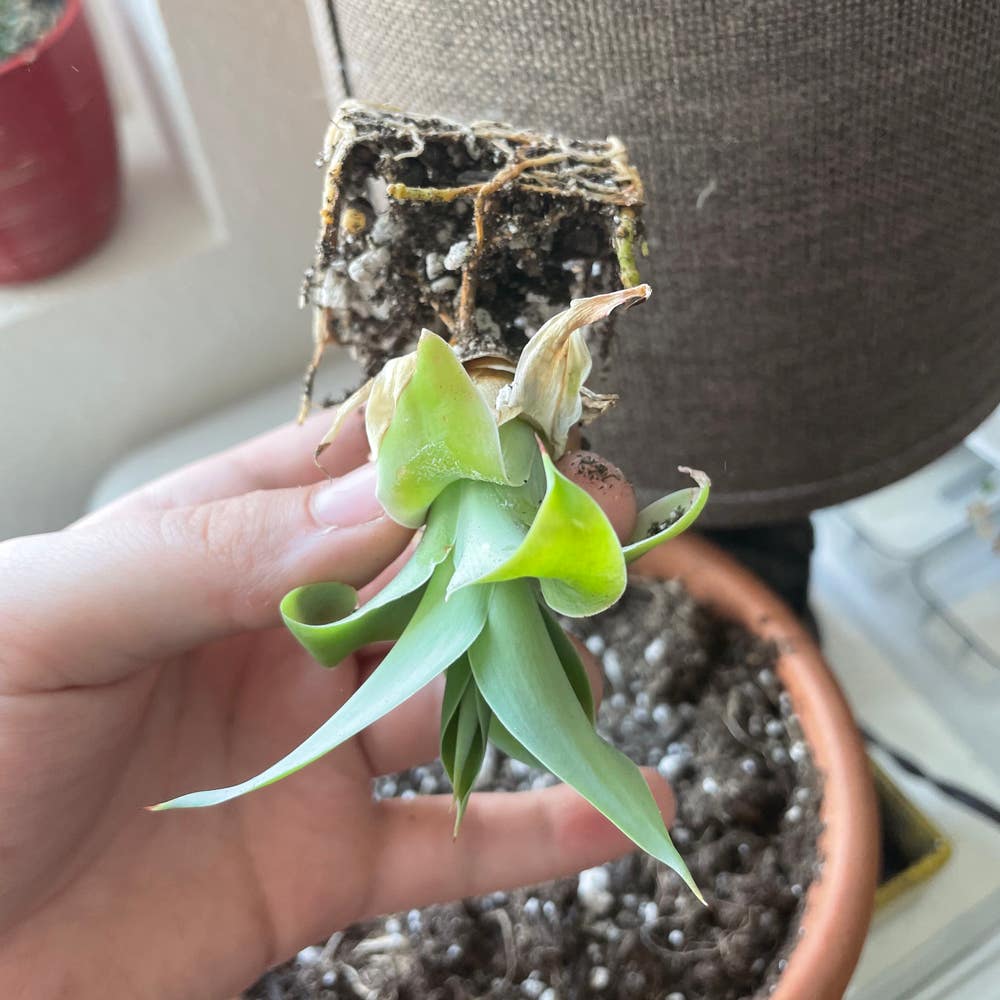
- Gently remove the plant from its pot to avoid further damage.
- Look for roots that are black, mushy, or have a slimy texture.
- Sniff test: A foul odor is a telltale sign of rot.
Remember, the goal is to act fast and accurately diagnose the issue to save your plant.
Immediate Steps to Address Mushy Leaves
When your Lion's Tail Agave starts to resemble a sad, overcooked vegetable, it's time to spring into action. Mushiness is a red flag, and you've got to be both surgeon and superhero to save your succulent sidekick.
🌱 Remove Affected Leaves
First things first, snip off the mushy leaves. Be precise but don't go Edward Scissorhands on it; remove only the damaged parts to avoid stressing the plant further. If it looks like a scene from a plant horror movie, with more mush than green, take a breath and remove the leaves in stages.
🛡️ Isolate the Plant
Next, give your plant some alone time. Isolation is key to prevent any potential disease from spreading to other plants. Think of it as putting your agave in a protective bubble while it recovers.
🚑 Emergency Care
Now, let's talk emergency care. If the soil feels like a swamp, it's time for a soil change. Get that plant out of its pot, shake off the wet soil, and let the roots air out. While you're at it, clean the pot with a no-nonsense attitude to eliminate any lurking pathogens.
🚱 Stop Watering
Hold off on the H2O. Your plant is not a fish; it doesn't need to swim. Withhold watering until the soil is dry and your plant has had a chance to catch its breath.
🕵️ Check for Root Rot
While you're in there, take a good look at the roots. If they're brown and smell like last week's compost, you've got root rot. Trim the dead weight with sterilized scissors, and whisper a small apology to your plant for the tough love.
🌱 Replant with Care
Once you've performed triage, replant your agave in fresh, well-draining soil. Think of it as a cozy, breathable new bed for your green buddy. And remember, when it comes to watering, less is more. Your agave will thank you with firm, healthy leaves that stand up like they mean it.
Correcting Watering and Soil Issues
Adjusting your Lion's Tail Agave's 💧 watering habits is crucial. Don't be a slave to the calendar; instead, check the soil's moisture level before giving your plant a drink. The top inch should be dry to the touch.
💦 Watering Frequency and Volume
Less is often more when it comes to watering. Overzealous watering is a common misstep. During cooler months, your plant will likely need less water. Use a soil moisture meter if you're unsure; it's a small investment that pays off in plant health dividends.
🌱 Choosing the Right Soil
Transitioning to a well-draining soil is a game-changer. Mix in perlite, vermiculite, or sand to improve drainage and avert future mushiness. Remember, your plant's roots need to breathe, not swim.
🏞️ Soil Composition
Don't skimp on soil quality. A fertile, organic mix can be the difference between thriving and diving. If you're repotting, choose a pot with ample drainage holes to prevent water from overstaying its welcome.
🌱 Repotting Tips
If you suspect poor drainage is the culprit, it's repotting time. Be gentle with the roots and give them a fresh start in a new home with better drainage. It's like plant rehab, and it works wonders.
Long-Term Prevention Strategies
💧 Establishing a Balanced Watering Routine
Watering your Lion's Tail Agave is more about quality than quantity. Think of it as a cocktail hour for your plant; it needs a regular schedule. Tailor the frequency to the seasons—less in winter, a bit more in summer. Always check the soil moisture before giving it a drink; it should feel like a wrung-out sponge, not a soaked bath towel.
🌱 Choosing the Right Pot and Soil Mix
The right pot is like the right pair of shoes; it should fit well and have room to breathe. Make sure it has drainage holes to avoid soggy soil situations. Mix in some perlite or pumice to your soil to keep it aerated and well-draining. This is like giving your plant a bed of nails to lie on—comfortable for an agave, not so much for us.
🌞 Managing Environmental Factors
Your Lion's Tail Agave doesn't need a spa day, but it does appreciate stable environmental conditions. Keep it in a spot where it can bask in the sun like a lizard on a rock, ideally within a foot of a window. Humidity and temperature should be as consistent as a favorite sitcom rerun—no dramatic changes. If your home is as dry as a stand-up comedian's wit, consider a humidifier. Just don't turn your living room into a rainforest.
⚠️ Safety First
This content is for general information and may contain errors, omissions, or outdated details. It is not medical, veterinary advice, or an endorsement of therapeutic claims.
Always consult a qualified healthcare professional before using any plant as food, medicine, or supplement.
Never eat any plant (or feed one to pets) without confirming its identity with at least two trusted sources.
If you suspect poisoning, call Poison Control (800) 222-1222, the Pet Poison Helpline (800) 213-6680, or your local emergency service immediately.
Spotted an error? Please report it here.
Ensure your Lion's Tail Agave stays firm and healthy 🌵 with Greg's custom watering reminders tailored to your home's unique conditions, preventing overwatering and root rot.