🦁 Does My Lion's Tail Agave Need Direct Sunlight?
Agave attenuata
By the Greg Editorial Team
Jun 15, 2024•6 min read
This article was created with the help of AI so we can cover more plants for you. May contain errors. See one? Report it here.
- 5-6 hours of direct sunlight needed for Lion's Tail Agave health.
- 🌞 Gradual acclimation prevents sunburn and heat stress.
- Rotate and adjust position seasonally for balanced growth.
Direct Sunlight Needs for Lion's Tail Agave
Lion's Tail Agave basks in the glory of direct sunlight. For optimal growth, position it no more than a foot from a window where it can soak up those rays. This succulent is a sun worshipper, requiring a solid 5-6 hours of direct light daily to thrive. Anything less, and you'll notice it's not living its best life.
🌞 Signs of Sunlight Bliss
When your Lion's Tail Agave is getting the right amount of sun, it's like watching a plant in its natural habitat. The leaves are lush and robust, and the growth is steady and strong. It's the kind of greenery that makes you nod in approval, knowing you've hit the sweet spot.
🚨 Telltale Signs of Sunlight Deprivation
On the flip side, if your agave is looking a bit under the weather, it might be starved for sunlight. Stunted growth and a general lack of vigor are your clues. The plant's way of crying out for more light is by becoming leggy, stretching towards any light source it can find. Don't let it suffer in the shadows – move it to a sunnier spot pronto.
☀️ When Too Much Sun Strikes
Yes, there is such a thing as too much sun. If your plant's leaves start sporting a reddish or brownish tinge, it's waving a flag of distress. Sunburn can manifest as crispy tips or splotchy leaves, and it's as painful for the plant as it is for you to witness. Keep an eye out for these symptoms; they're a sign to dial back on the sunbathing sessions.

Risks of Overexposure to Direct Sunlight
🌞 Identifying Sunburn and Heat Stress
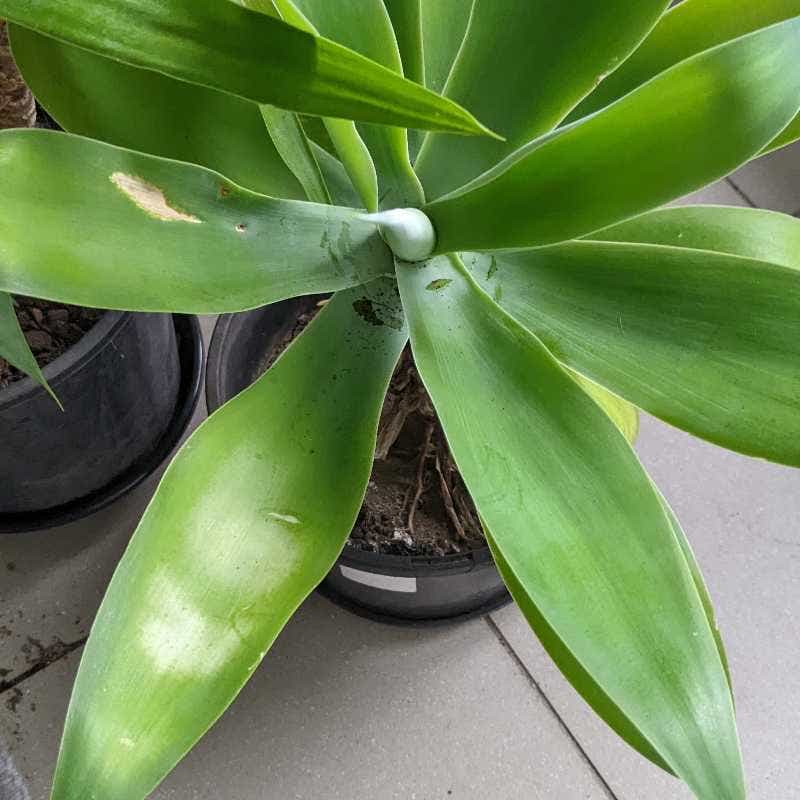
Sunburn in Lion's Tail Agave manifests as discolored, often yellow or brown patches on the leaves. These are signs that your plant has had a bit too much fun in the sun. Heat stress can also occur, causing the plant to look wilted or stressed, even with adequate watering. It's like getting a nasty sunburn at the beach, except your Agave can't tell you it forgot the sunscreen.
🕶 Acclimating to Direct Sunlight
To avoid turning your Lion's Tail Agave into a crispy critter, acclimation is key. Start by introducing it to direct sunlight gradually. Think of it as dipping your toes in the water before diving in. Begin with a couple of hours of morning sun, then slowly increase exposure. This helps your plant build up a tolerance, much like developing a base tan.
🌴 Mitigating Risks
If your Agave is throwing shade by showing signs of sunburn, it's time to intervene. Shade cloth can be a plant's best friend during the peak of summer or a sudden heatwave. It's like giving your plant a pair of sunglasses. Also, consider the timing of watering. Early morning or late afternoon is best, as water droplets can amplify sunlight, leading to leaf burn. Think of them as tiny magnifying glasses.
🚑 Strategies for Damage Control
Got a sunburnt Agave? Don't panic. Move it to a spot with bright, indirect light and avoid the temptation to overwater. It's a tough cookie and can bounce back with new growth. Just like us, after a sunburn, it needs time to heal and definitely doesn't need a sunbath anytime soon. Keep an eye on the weather forecast, and remember, even desert natives appreciate a little shade now and then.

Window Direction and Hemisphere Impact on Direct Sunlight
🌞 Understanding Window Orientation
Your Lion's Tail Agave is a sun worshipper, but not all windows are created equal. South-facing windows are the solar powerhouses, bathing your Agave in bright sun all day. Ideal for those vibrant, spiky leaves. East or west? These directions offer a gentler touch of morning or afternoon sun, respectively—less intense, but still sufficient. North-facing windows are the underdogs, providing the least direct light, which might leave your Agave yearning for more.
🌍 Hemisphere Considerations
Here's where geography plays a role. In the Northern hemisphere, south-facing is king for maximum sunlight. Flip the script if you're down under in the Southern hemisphere—north-facing reigns supreme. Remember, your Agave's tan depends on it.
🏠 Positioning Your Plant
Directly by the window is the sweet spot for your Lion's Tail Agave, within a foot if you can swing it. But watch out for signs of sunburn—yes, plants get it too. If your Agave starts looking like it spent too long at the beach, pull it back or sheer curtains can be your friend, diffusing just enough light to prevent aloe vera-worthy burns.
🌦️ Seasonal Adjustments
As the seasons change, so does the sun's angle. Be prepared to shuffle your Agave around for optimal exposure. It's like a slow dance with the sun—keep in step with the light as it moves throughout the year.

Practical Tips for Direct Sunlight Management
🌞 Positioning for Optimal Light
Positioning your Lion's Tail Agave is crucial. It loves basking in the sun, but not to the point of a sunburn. Place it within a foot of a south-facing window to soak up those rays without overdoing it. If the light's too intense, pull it back a few feet, especially during peak summer heat.
🛡️ Protective Materials
Sheer curtains can be your plant's best friend, acting as a sunscreen to filter harsh rays. Think of it as SPF for your Agave. If you're feeling crafty, a DIY sunshade can work wonders during a scorching heatwave.
🌦️ Seasonal Sunlight Adjustments
As seasons change, so should your plant's location. Rotate your Agave to ensure even exposure and prevent one-sided growth. In winter, inch it closer to the light source to compensate for the shorter days. Come summer, you might need to dial back the direct sun to avoid leaf burn.
🌅 Acclimating to Sunlight
When introducing your Agave to a new spot, take it slow—like easing into a hot bath. Gradual exposure helps prevent shock. Start with morning sun and shield it from the more intense afternoon rays. If you're moving it outdoors, do it incrementally over a few weeks.
🚦 Monitoring Plant Health
Keep an eye out for signs of distress—yellowing or curling leaves can signal too much sun. Conversely, a lack of growth or pale color might mean it's craving more light. Adjust your plant's position accordingly, always seeking that Goldilocks zone of just-right sunlight.
⚠️ Safety First
This content is for general information and may contain errors, omissions, or outdated details. It is not medical, veterinary advice, or an endorsement of therapeutic claims.
Always consult a qualified healthcare professional before using any plant as food, medicine, or supplement.
Never eat any plant (or feed one to pets) without confirming its identity with at least two trusted sources.
If you suspect poisoning, call Poison Control (800) 222-1222, the Pet Poison Helpline (800) 213-6680, or your local emergency service immediately.
Spotted an error? Please report it here.
With Greg's PlantVision, you can perfectly position your Lion's Tail Agave for the ideal sun exposure ☀️, ensuring it thrives without the risk of sunburn or stunted growth.