Why Are There Brown Spots on My Lion's Tail Agave Leaves?
Agave attenuata
By the Greg Editorial Team
Jun 15, 2024•7 min read
This article was created with the help of AI so we can cover more plants for you. May contain errors. See one? Report it here.
- Sunburn, water, infections, environment cause brown spots on Lion's Tail Agave.
- Adjust light and water, treat infections to prevent and remedy brown spots.
- Monitor nutrients, avoid over-fertilization for healthy Lion's Tail Agave leaves.
Diagnosing Brown Spots on Lion's Tail Agave
Identifying the culprit behind brown spots on your Lion's Tail Agave is like playing plant detective. Let's crack the case.
🌞 Sunburn
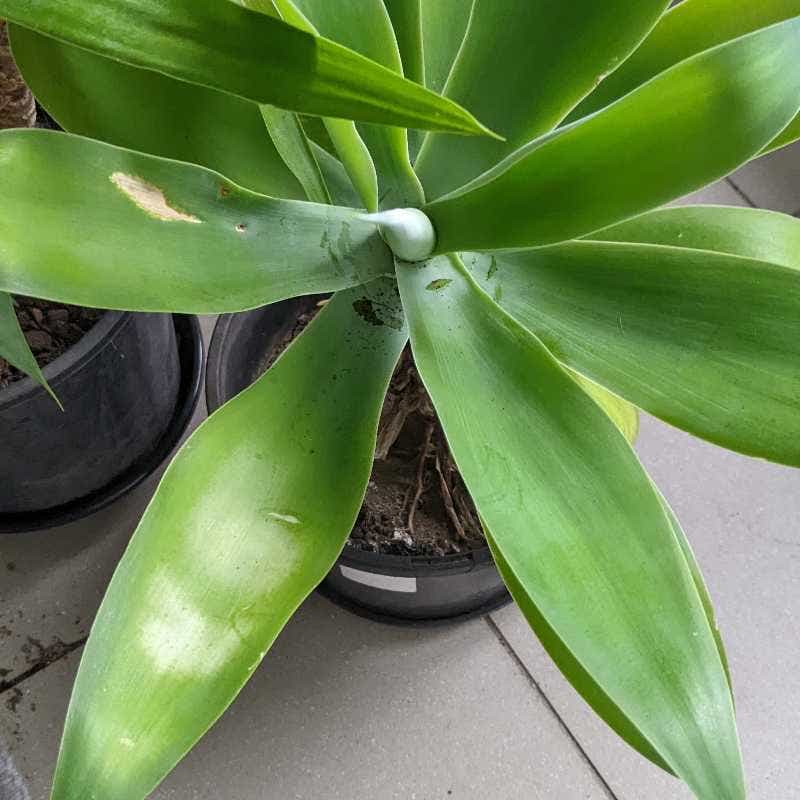
If the spots are dry and crispy, and they're on the parts of the plant that catch the most rays, you've likely got a sunburn situation. Agaves love their sunshine, but like a pale tourist at the equator, too much can lead to a nasty burn.
💧 Water Issues
Soggy or soft spots? Could be a sign of overwatering, especially if the soil feels like a wet sponge. On the flip side, underwatering can also cause brown spots, typically accompanied by a dry, neglected look. It's all about that hydration balance.
🦠 Infections
Fungal and bacterial infections throw a party on your plant, leaving behind brown, often wet-looking lesions. These might come with a yellow halo – not the angelic kind, but a warning sign to take action.
🌍 Environmental Factors
Sometimes, it's just the environment playing hardball. Too much heat, a cold draft, or even the wrong soil can stress your agave out, leading to those unsightly spots. It's like putting a cactus in a swamp – nobody's happy.
💦 Edema
Caught in a downpour? Edema occurs when cells burst from too much water uptake, leaving behind telltale brown blisters. It's the plant version of waterlogged.
In summary, brown spots on your Lion's Tail Agave could be a sunburn badge of honor, a cry for water, a fungal RSVP, or just a bad environmental fit. Your mission is to observe, diagnose, and act.

Remedies for Sunburn-Induced Brown Spots
🌞 Immediate Steps for Sunburn Relief
If your Lion's Tail Agave is throwing shade with brown spots, sunburn might be the culprit. Move it to a shadier location pronto. This isn't a beach vacation for your plant; those rays are harsh. Give the soil a quick check; if it's dry, show some love with a gentle watering. Remember, this is first aid for your foliage, not a deep soak.
🛡️ Long-Term Sunburn Prevention Strategies
Gradual acclimation is key. If your agave must bask in the glory of full sun, introduce it slowly to prevent future sunburn episodes. Think of it like acclimating your pale friend to the tropical sun—slow and steady. Protective barriers, like a sheer curtain, can be a game-changer, providing a sunscreen effect without the greasy residue.
Consistent monitoring is your best defense. Keep an eye on your agave like a hawk on a field mouse. If you notice any signs of distress, adjust the light exposure. And don't forget, the right potting mix can make all the difference. Ensure it's well-draining to avoid other issues that can exacerbate sun damage.
Lastly, consider the seasonal angle of the sun. It's not just about intensity; the angle changes throughout the year. Adjust your plant's position to avoid those peak sunburn hours, and you'll have a happy, spot-free agave.

Correcting Water Issues to Prevent Brown Spots
💧 Adjusting Watering Schedules
Overwatering is the equivalent of giving your plants a pair of concrete shoes—it's a death sentence. To avoid this, poke your finger into the soil. If it's damp up to your second knuckle, skip the watering can. During winter, plants are like bears hibernating; they drink less. So, reduce your watering frequency accordingly.
🚰 Improving Soil Drainage
If your plant's soil is holding water like a sponge, it's time for an intervention. Mix in perlite or sand to boost drainage. Remember, a pot's size isn't just about aesthetics; larger pots hold more moisture. Choose the right size to avoid soggy soil syndrome.
🟤 Signs of Overwatering
Brown spots can be the plant's version of crying out, "I'm drowning!" If leaves are turning brown and ready to fall off, it's time to dial back on the H2O. Drain any excess water and let the soil dry out before the next watering session.
🏜️ Signs of Underwatering
Conversely, underwatered plants sport brown spots like a badge of neglect. Leaves may turn crispy and dry. When you see this, it's a red flag that your plant is thirstier than a tourist in the desert. Water it, stat, but don't go overboard—think of it as rehydrating, not flooding.

Combating Fungal and Bacterial Causes of Brown Spots
When fungal or bacterial infections strike your Lion's Tail Agave, it's time to channel your inner plant doctor.
🦠 Immediate Treatment
Remove infected leaves promptly to halt the spread of the disease. Sterilize your shears with a bleach solution (1 part bleach to 9 parts water) or rubbing alcohol to avoid playing tag with the pathogens.
🍄 Fungal Foes
For fungal culprits like Anthracnose, neem oil is your go-to. It's a natural fungicide that's as gentle on plants as it is tough on fungi. If the infection's more stubborn than a stain on your favorite shirt, consider copper-based fungicides. They're like a barrier for spores, keeping them from throwing a spore party on your plant.
🦠 Bacterial Baddies
Bacterial infections demand a no-nonsense approach. Copper-containing compounds (think CuPro™ or Phyton 27®) are your allies here. They're like bouncers at the club door, keeping bacterial riff-raff out.
🌱 Cultural Practices to Prevent Infections
Keep the base of your plant cleaner than a whistle—no debris, no dead leaves, no nonsense. Overhead watering is a no-go; it's like setting up a slip 'n slide for bacteria. Instead, water at the base and ensure your agave gets plenty of air flow, like it's lounging in a hammock on a breezy day.
Remember, prevention is better than cure. Keep your agave's living conditions on point, and you'll spend less time playing plant nurse and more time enjoying those glorious, spot-free leaves.
Addressing Nutrient Deficiencies Leading to Brown Spots
Identifying and correcting nutrient imbalances is like playing plant detective; you've got to look for clues. Brown spots on Lion's Tail Agave could be the plant's way of saying it's missing something vital. Rusty patches might indicate a lack of iron, while yellowing leaves with brown spots often point to nitrogen or manganese shortages.
🕵️ Identifying Nutrient Imbalances
To crack the case, start with a soil test. This will tell you what's missing or in excess. Keep an eye out for patterns in the brown spots—uniform discoloration could be a sign of aging, but varied spots often mean nutrient issues.
🛠️ Correcting the Imbalance
Once you've identified the deficiency, it's time for intervention. Use a balanced fertilizer that's not too heavy on nitrogen. Think of it as a multivitamin for your Agave—providing a full suite of macro and micro-nutrients. Apply it according to the package instructions; more is not always better.
💡 Fertilization Practices
When it comes to fertilization, timing is everything. Always water your plant before applying fertilizer to prevent root burn. Consider organic options like compost or manure to enrich the soil naturally. And remember, foliar feeding can be a quick fix, delivering nutrients straight to the leaves where brown spots are showing up.
🚫 Mistakes to Avoid
Beware of over-fertilization—it's the equivalent of overfeeding. You wouldn't want to stuff your pet, so don't do it to your plants. Nutrient burn is real, and it can cause as much damage as any deficiency. Stick to a regular feeding schedule, and don't go overboard.
Remember, the goal is to maintain a healthy balance. Keep your Lion's Tail Agave thriving with just the right amount of nutrients, and those brown spots should become a thing of the past.
⚠️ Safety First
This content is for general information and may contain errors, omissions, or outdated details. It is not medical, veterinary advice, or an endorsement of therapeutic claims.
Always consult a qualified healthcare professional before using any plant as food, medicine, or supplement.
Never eat any plant (or feed one to pets) without confirming its identity with at least two trusted sources.
If you suspect poisoning, call Poison Control (800) 222-1222, the Pet Poison Helpline (800) 213-6680, or your local emergency service immediately.
Spotted an error? Please report it here.
Eradicate brown spots 🛡️ on your Lion's Tail Agave by leveraging Greg's custom watering schedules and sun exposure tips for a perfectly healthy plant!