☀️ Best Light Conditions for Spineless Agave
Agave attenuata
By the Greg Editorial Team
Oct 09, 2024•3 min read
This article was created with the help of AI so we can cover more plants for you. May contain errors. See one? Report it here.
- ☀️ Spineless Agave needs 6-8 hours of full sun for optimal outdoor growth.
- 🌱 Indoors, provide 12-14 hours of bright, indirect light for healthy growth.
- 💡 Use grow lights to ensure consistent light exposure and prevent leaf burn.
Light Requirements for Spineless Agave
🌞 Ideal Light Conditions for Outdoor Growth
For outdoor growth, Spineless Agave thrives in full sun, requiring 6-8 hours of direct sunlight daily. This mimics its native arid environment, ensuring robust growth and vibrant color.
Soil and Placement Considerations
Use well-draining soil to prevent root rot, especially in bright light. Position your agave near south or west-facing walls to minimize shade and maximize sun exposure.
Seasonal Adjustments
Keep an eye on light intensity throughout the seasons. If summer heat becomes excessive, consider adjusting the plant's placement to protect it from potential stress.
🏠 Recommended Light Conditions for Indoor Growth
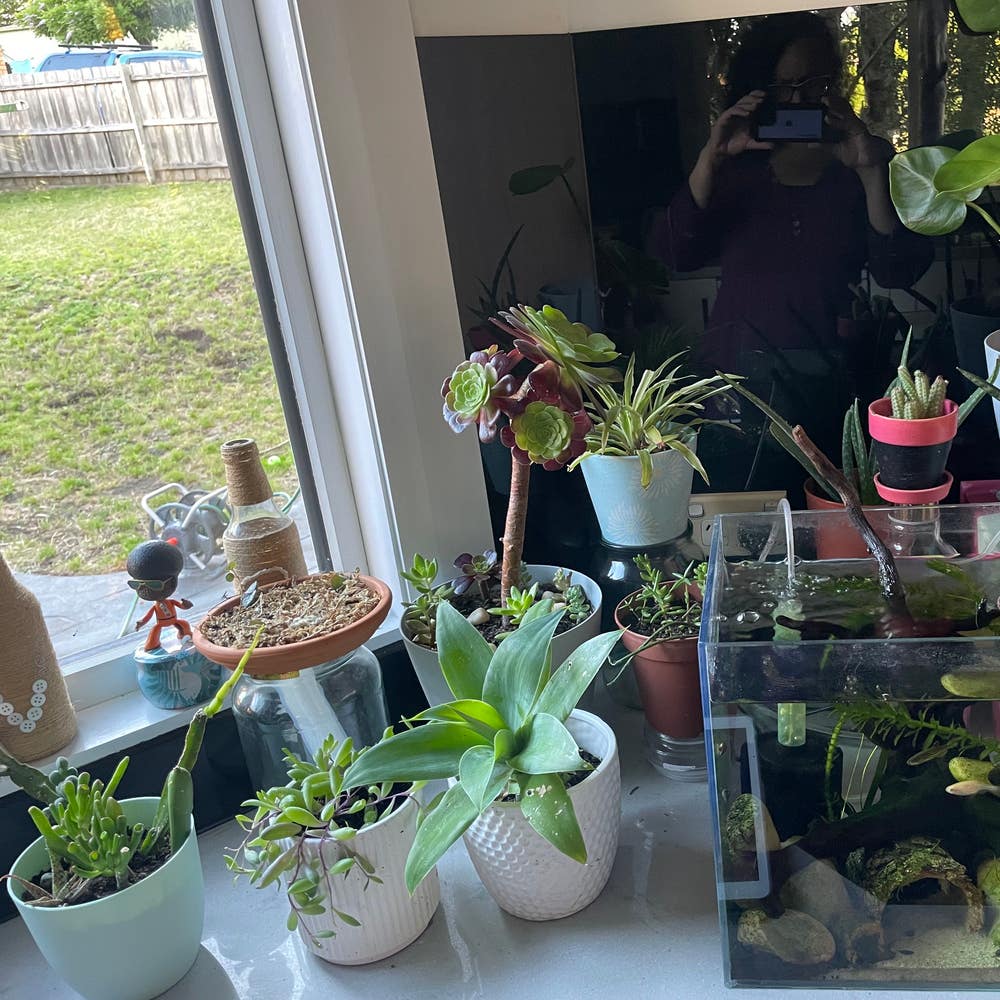
Indoors, Spineless Agave prefers bright, indirect sunlight. Avoid placing it in dark corners; instead, use sheer curtains to filter harsh sunlight when needed.
Light Intensity for Agave
Aim for 12-14 hours of light exposure daily. Rotating the plant periodically helps ensure even light distribution, promoting balanced growth.
Low Light Tolerance
While Spineless Agave can survive in lower light, expect slower growth and reduced vigor. It’s best to provide optimal lighting conditions for a thriving plant.
☀️ Effects of Direct vs. Indirect Sunlight
Direct Sunlight
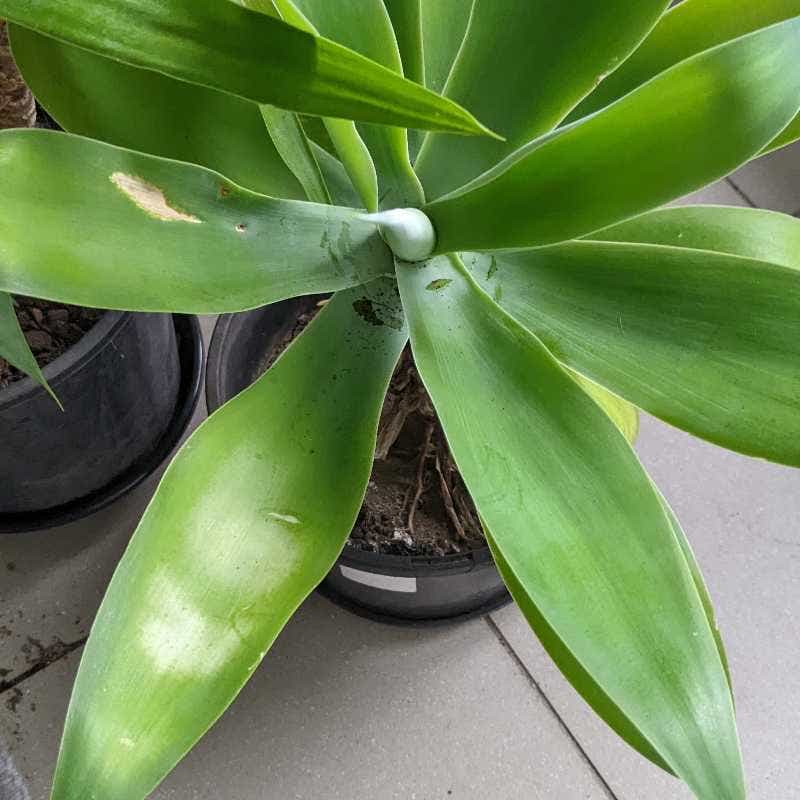
Direct sunlight encourages compact growth and enhances color vibrancy. However, be cautious; too much intensity can lead to leaf burn, especially during extreme heat.
Indirect Sunlight
Indirect sunlight is safer for indoor settings, reducing the risk of leaf damage. The trade-off? You might see slower growth and less vibrant coloration.
🌼 How Light Influences Flowering Cycles
Light plays a crucial role in the flowering process of Spineless Agave. Adequate light exposure is essential for initiating blooms, while changes in light duration and intensity signal the plant to prepare for flowering.
💡 Using Grow Lights
🔦 Types of Grow Lights Suitable for Spineless Agave
LED Grow Lights
These are energy-efficient and provide the necessary light spectrum for growth. They also come with adjustable intensity settings to cater to different growth stages.
Fluorescent Grow Lights
Ideal for smaller setups, fluorescent lights offer adequate illumination for indoor conditions, ensuring your agave gets the light it needs.
🌟 Benefits of Using Grow Lights Indoors
Using grow lights indoors guarantees consistent light exposure year-round. This is especially beneficial when natural light conditions fluctuate.
Control Over Light Intensity
Grow lights allow you to adjust settings based on your plant's needs and growth stages, ensuring optimal conditions for your Spineless Agave.
📏 Placement and Duration of Grow Light Exposure
Placement Guidelines
Position grow lights 12-24 inches above the plant to prevent leaf burn. This distance ensures your agave receives the right amount of light without damage.
Recommended Duration
Aim for 12-14 hours of grow light exposure daily. This duration supports healthy growth and flowering cycles, keeping your plant vibrant and thriving.
With the right light conditions, your Spineless Agave can flourish beautifully, setting the stage for the next topic on grow lights.
⚠️ Safety First
This content is for general information and may contain errors, omissions, or outdated details. It is not medical, veterinary advice, or an endorsement of therapeutic claims.
Always consult a qualified healthcare professional before using any plant as food, medicine, or supplement.
Never eat any plant (or feed one to pets) without confirming its identity with at least two trusted sources.
If you suspect poisoning, call Poison Control (800) 222-1222, the Pet Poison Helpline (800) 213-6680, or your local emergency service immediately.
Spotted an error? Please report it here.
Give your Spineless Agave the sunshine it craves and let Greg provide tailored light reminders to keep it thriving and blooming beautifully! 🌞