Why Spineless Agave Is A Perennial Plant 🌵
Agave attenuata
By the Greg Editorial Team
Oct 09, 2024•4 min read
This article was created with the help of AI so we can cover more plants for you. May contain errors. See one? Report it here.
- 🌱 Spineless Agave thrives for decades, regenerating annually from its robust root system.
- 🌞 Low-maintenance perennial: requires minimal care, perfect for arid climates and busy gardeners.
- 🌼 Unique flowering occurs once in its lifetime, producing a striking 15-foot stalk.
Classification of Spineless Agave as a Perennial
🌱 Definition and Characteristics
Perennial plants are those that live for more than two years. Spineless Agave exemplifies this definition, thriving year after year by regrowing from the same root system.
Key characteristics of Spineless Agave include its multi-year lifecycle and unique growth patterns. This plant's ability to regenerate annually from its roots makes it a resilient choice for gardeners.
🌿 Lifecycle and Growth Patterns
🌱 Multi-Year Lifecycle
Spineless Agave flourishes over multiple years, showcasing its remarkable survival and regeneration capabilities. Each year, it utilizes its established root system to support new growth.
🌵 Growth Habits
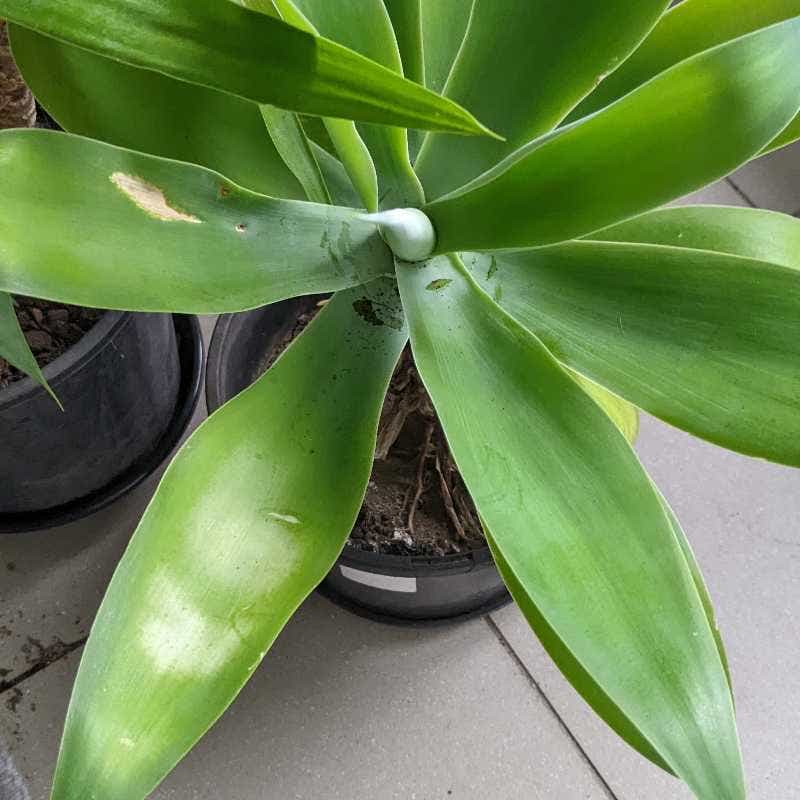
The plant forms a rosette of thick, fleshy leaves that store water, enabling it to thrive in arid conditions. It can reach impressive sizes, growing up to 6 feet tall and wide, with a flowering stalk that can extend up to 15 feet.
🌼 Flowering Behavior and Lifespan
🌸 Unique Flowering Behavior
One of the most fascinating aspects of Spineless Agave is its unique flowering behavior. Typically, it flowers only once in its lifetime, producing a striking tall spike adorned with yellow flowers.
Several factors influence the timing of this flowering, including the plant's age and environmental conditions. Understanding these can help gardeners anticipate this spectacular event.
⏳ Expected Lifespan
Under optimal conditions, Spineless Agave can live for several decades, with some specimens reported to last over 50 years. Factors such as soil quality, water availability, and climate conditions play a crucial role in determining its longevity.
💤 Dormancy and Seasonal Changes
💤 Dormancy Periods
Spineless Agave experiences dormancy periods, which are times of reduced growth. These typically occur during extreme temperatures or drought conditions, allowing the plant to conserve resources.
Dormancy is vital for the plant's health, as it helps it survive adverse conditions and emerge stronger when favorable conditions return.
🍂 Seasonal Changes
Seasonal changes significantly affect Spineless Agave's growth patterns. Variations in temperature and moisture levels influence how the plant develops throughout the year.
To cope with these changes, Spineless Agave employs various adaptation strategies, ensuring its survival in fluctuating environments.
🌟 Advantages for Gardeners
🌼 Benefits of Perennial Characteristics
One of the main advantages of Spineless Agave is its reduced need for replanting. Its ability to regrow from the same root system minimizes the hassle of annual replanting.
Additionally, its established root systems contribute to drought resistance and overall plant health, making it a low-maintenance option for gardeners.
🌱 Long-term Cultivation Benefits
Incorporating Spineless Agave into your garden can enhance sustainability and reduce maintenance efforts. Beyond its practical benefits, it also adds aesthetic and functional value to landscape design.
🌍 Variations Across Climate Zones
🌤️ Behavior in Different Climates
Spineless Agave exhibits remarkable adaptability, especially in arid regions. Its resilience in poor soil and drought conditions makes it a suitable choice for various climates.
Growth and flowering may differ significantly between humid and arid environments, showcasing the plant's versatility.
🌡️ Influencing Factors
Climate plays a crucial role in the perennial behavior of Spineless Agave. Factors such as temperature, humidity, and soil conditions can significantly affect its growth patterns and longevity.
To cultivate Spineless Agave successfully, gardeners should adapt their care practices based on local climate conditions.
🌱 Maximizing Benefits in Garden Planning
🌿 Tips for Long-Term Cultivation
For optimal growth, best practices for planting and care include proper soil preparation, adequate watering, and ensuring sufficient sunlight exposure. Regular monitoring of growth is essential to maintain the plant's health and longevity.
🌼 Strategies for Incorporating in Garden Design
When integrating Spineless Agave into your garden, consider design elements that complement its unique structure. Companion planting can enhance biodiversity and create a visually appealing landscape.
By understanding and leveraging the characteristics of Spineless Agave, gardeners can create thriving, sustainable gardens that require minimal maintenance.
⚠️ Safety First
This content is for general information and may contain errors, omissions, or outdated details. It is not medical, veterinary advice, or an endorsement of therapeutic claims.
Always consult a qualified healthcare professional before using any plant as food, medicine, or supplement.
Never eat any plant (or feed one to pets) without confirming its identity with at least two trusted sources.
If you suspect poisoning, call Poison Control (800) 222-1222, the Pet Poison Helpline (800) 213-6680, or your local emergency service immediately.
Spotted an error? Please report it here.
Cultivate a stunning Spineless Agave that thrives for decades with minimal effort 🌱—let Greg provide tailored care tips to help your plant flourish in any environment!