🌵 All About Your Spineless Agave's Roots
Agave attenuata
By the Greg Editorial Team
Oct 09, 2024•6 min read
This article was created with the help of AI so we can cover more plants for you. May contain errors. See one? Report it here.
- 🌱 Spineless agave has a taproot system for accessing vital groundwater in dry conditions.
- 🌿 Healthy roots indicate vibrant leaves; monitor root health for optimal plant care.
- 🏺 Repot or divide when rootbound to ensure continued growth and vitality.
Description of the Root System
🌱 Type of Root System
The spineless agave primarily features a taproot system. This deep-rooted structure allows the plant to access groundwater, which is crucial for survival in arid conditions.
In addition to the taproot, it also develops fibrous roots. These roots provide stability and anchorage, helping the plant thrive in challenging environments.
📏 Root Depth and Spread Patterns
In optimal conditions, the average root depth can reach up to 3 feet (0.9 meters). This depth is essential for accessing moisture deep in the soil.
The root spread can extend up to 6 feet (1.8 meters) horizontally. This expansive growth pattern allows the roots to adapt to varying soil conditions and moisture availability, ensuring the plant remains resilient.
Understanding these root characteristics is vital for effective care and maintenance. A well-established root system is the foundation for a healthy, thriving spineless agave.
As we delve deeper into caring for your agave, the next section will explore how the root system influences watering and fertilizing needs.
Watering and Fertilizing
🌱 How Root System Affects Watering Needs
Watering your spineless agave effectively hinges on its unique root system. Deep watering is crucial; it encourages the taproot to grow deeper, reaching moisture reserves that are vital for the plant's health.
These roots are remarkable in their ability to store water, enabling the agave to endure prolonged dry spells. This drought resistance is a game-changer, allowing the plant to thrive in arid conditions.
🌿 Fertilization Techniques Tailored to Root Health
When it comes to fertilizing, choosing the right type is essential. Opt for low-nitrogen, slow-release fertilizers to prevent root burn and ensure steady nutrient uptake.
Timing is also key; apply fertilizers during the growing season, typically in spring and summer. This approach supports robust root development and overall plant vitality.
Understanding how to water and fertilize your spineless agave can significantly enhance its growth and resilience. Next, let’s explore the best practices for transplanting your agave to ensure it continues to flourish.
Transplanting Techniques
Best Practices for Transplanting 🌱
Timing is crucial when transplanting your spineless agave. The best windows are early spring or fall, as temperatures are moderate and stress on the plant is minimized.
Preparation is equally important. Ensure that the new pot or planting location has well-draining soil to prevent waterlogging and promote healthy root growth.
Signs That Indicate When to Transplant 🚦
Keep an eye out for rootbound conditions. If you notice roots growing out of drainage holes or circling the pot, it's a clear sign that your agave needs more space.
Stunted growth is another indicator. If your plant shows little to no new growth despite optimal care, it may be time to consider transplanting to rejuvenate its health.
Transplanting can be a game-changer for your spineless agave, allowing it to thrive in a more suitable environment. Next, let’s explore common root-related issues that can arise and how to tackle them effectively.
Common Root-Related Issues
Identifying Root Rot and Other Diseases 🌱
Root rot can sneak up on even the most diligent plant parents. Look for symptoms like yellowing leaves, mushy roots, and an unpleasant odor emanating from the soil.
These issues often stem from overwatering and poor drainage. If your spineless agave is showing these signs, it’s time to take action.
Solutions for Preventing and Treating Root Problems 🛠️
Prevention is always better than cure. To keep your agave healthy, use well-draining soil and pots equipped with drainage holes.
If you do encounter root problems, act quickly. Remove the affected roots and repot your plant in fresh, dry soil to give it a fighting chance.
Understanding these common root-related issues can significantly enhance your plant care routine. With the right knowledge, you can ensure your spineless agave thrives and flourishes.
Indicators of Root Health
👀 Visual Cues for Healthy vs. Unhealthy Roots
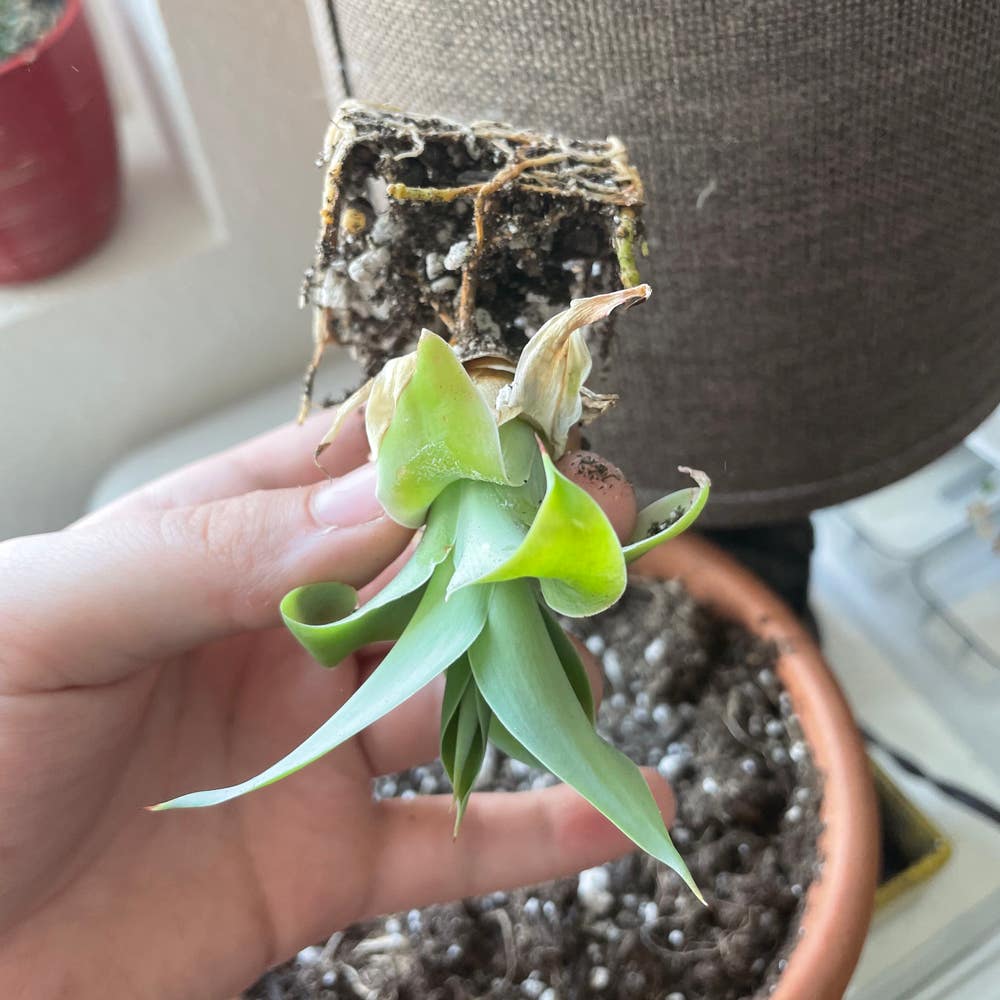
Healthy roots are a sight to behold. They should be firm, with a white or light tan color, and emit minimal odor.
In contrast, unhealthy roots tell a different story. Look for dark, mushy textures and foul smells, which are clear signs of trouble.
📊 Other Indicators of Root System Health
Leaf health is a direct reflection of root vitality. When roots are thriving, you’ll notice vibrant, green leaves that stand tall.
Additionally, consistent growth patterns are a strong indicator of a healthy root system. If your plant is growing steadily, it’s likely that its roots are doing their job well.
Understanding these indicators can empower you to take better care of your spineless agave. With a keen eye on root health, you can ensure your plant thrives in its environment.
Next, let’s explore the common root-related issues that can arise and how to address them effectively.
Rootbound Plants
Definition and Signs of Rootbound Conditions 🌱
Rootbound plants occur when roots have completely filled their pot, limiting further growth. You can spot this condition if roots are visible on the surface or pushing through drainage holes, often accompanied by stunted growth.
When and How to Address Rootbound Issues 🛠️
It's crucial to address rootbound conditions as soon as you notice the signs. The best solutions are to repot the plant into a larger container or divide it, allowing for healthier growth and more space for the roots to thrive.
By keeping an eye on your plant's root health, you can ensure it continues to flourish. Next, let’s explore propagation and division techniques that prioritize root integrity.
Propagation and Division
🌱 Importance of Root Health in Propagation
Healthy roots are the backbone of successful propagation and division. When roots are stressed, it can lead to poor growth or even plant death, making it crucial to prioritize their health during these processes.
✂️ Techniques for Dividing While Maintaining Root Integrity
To ensure a smooth division, start with clean, sharp tools. This minimizes damage and helps maintain the integrity of the roots.
Method for Division
- Locate the Base: Identify where the plant can be divided at the base.
- Divide Carefully: Gently separate the sections, ensuring each has a healthy root system attached.
By following these steps, you can effectively propagate your spineless agave while keeping its roots in prime condition. This not only enhances growth but also contributes to the overall resilience of the plant.
As you dive deeper into caring for your agave, understanding the nuances of root health will empower you to make informed decisions. This knowledge sets the stage for addressing any root-related issues that may arise.
⚠️ Safety First
This content is for general information and may contain errors, omissions, or outdated details. It is not medical, veterinary advice, or an endorsement of therapeutic claims.
Always consult a qualified healthcare professional before using any plant as food, medicine, or supplement.
Never eat any plant (or feed one to pets) without confirming its identity with at least two trusted sources.
If you suspect poisoning, call Poison Control (800) 222-1222, the Pet Poison Helpline (800) 213-6680, or your local emergency service immediately.
Spotted an error? Please report it here.
Unlock the secret to your spineless agave's root vitality 🌱 with Greg's tailored care tips and watering reminders that keep its roots strong and thriving!